


F1 2026 race starts face safety concerns, prompting calls for procedural changes
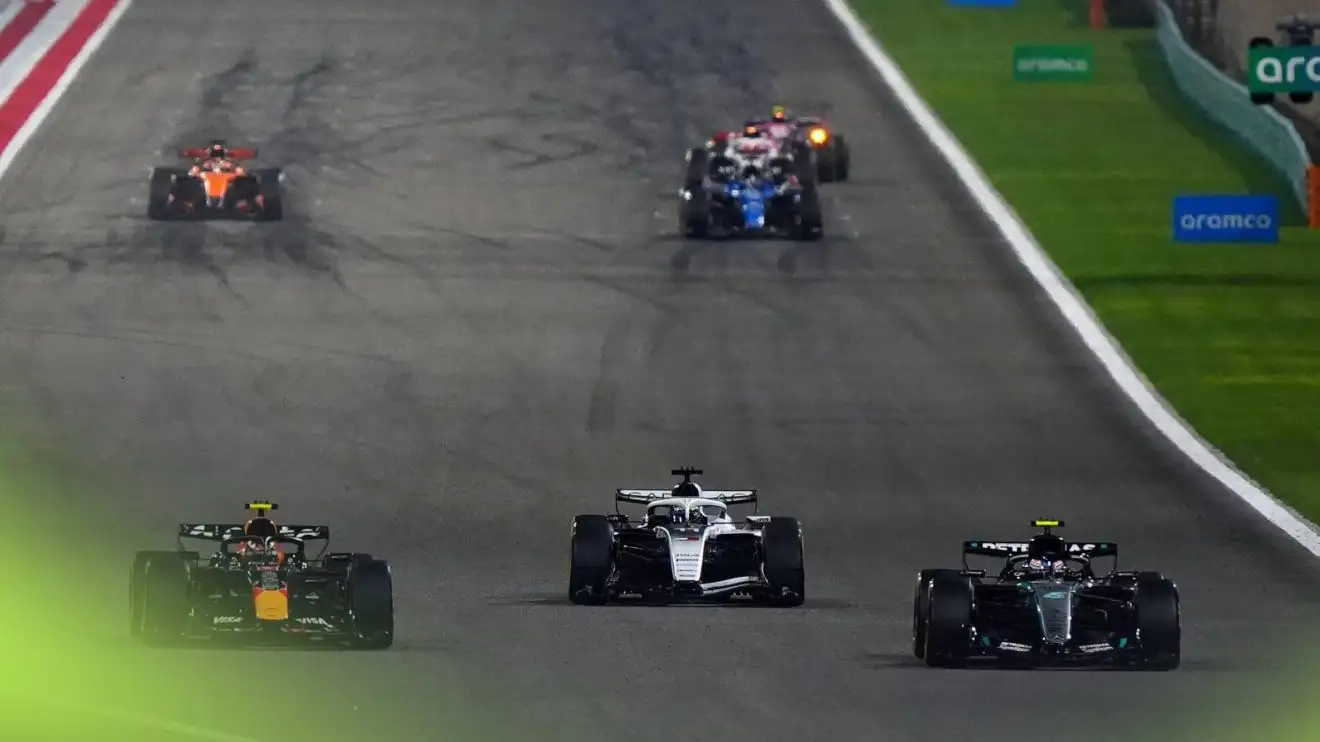
Formula 1's shift to 2026-spec power units has introduced a significant and potentially dangerous challenge: getting the cars off the starting grid cleanly. Increased turbo lag, a byproduct of the new engine regulations, means drivers need much longer to prepare for a launch, creating a chaotic and unsafe disparity between the front and back of the grid.
Why it matters:
The race start is one of the most critical and high-risk moments in any Grand Prix. A procedural flaw that leaves half the field struggling to accelerate while the other half charges toward the first corner is a clear safety hazard. This issue threatens the fundamental fairness and safety of the opening seconds of every race, making it a priority that transcends individual team competitive interests.
The details:
- The core problem stems from the removal of the MGU-H (Motor Generator Unit – Heat) from the 2026 power units. This component previously helped spool up the turbocharger instantly, masking turbo lag. Without it, drivers must use the internal combustion engine alone to build turbo boost, a process that can take 10-15 seconds of revving before a launch.
- The current start procedure, governed by the five-light sequence, typically allows less than 10 seconds from the last car stopping on the grid to the lights going out. This is insufficient time for drivers, especially at the back, to get their engines into the narrow optimal "window" for a start.
- Manufacturer Disparity: The required preparation time is linked to turbo size, which varies by engine maker. Ferrari, for instance, is believed to use a smaller turbo, potentially putting its drivers in an easier position compared to rivals.
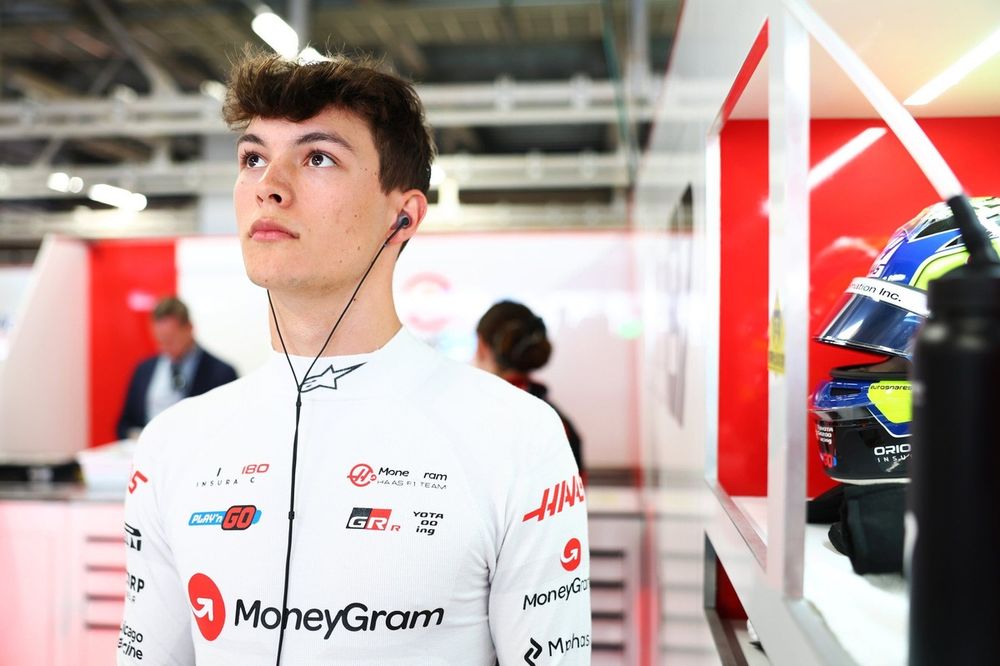
- Driver Feedback: Drivers describe the margin for error as tiny. Oliver Bearman noted there are only "milliseconds" between being too early or too late. Pierre Gasly ominously suggested the Australian GP start "could be one that everybody remembers," while Oscar Piastri warned of the difficulty in having "a safe start, let alone a competitive one."
What's next:
The FIA has conducted simulations and the issue is slated for discussion at the upcoming F1 Commission meeting. A tweak to the start procedure in time for the Australian Grand Prix is possible.
- While teams are expected to agree on the need for change, the FIA can mandate procedural updates on safety grounds unilaterally.
- McLaren Team Principal Andrea Stella emphasized the urgency, stating the sport must "play the game of responsibility" to ensure all cars are ready, highlighting that safety is a "bigger interest than any competitive interest."
- Some progress has been reported since initial tests, with George Russell noting improvements from Barcelona, but the fundamental challenge and associated risk remain.
Original Article :https://www.planetf1.com/news/f1-2026-race-starts-safety-concerns-f1-commission