




F1 2026: Las Nuevas Reglas Convierten la Salida en una Apuesta de Alto Riesgo
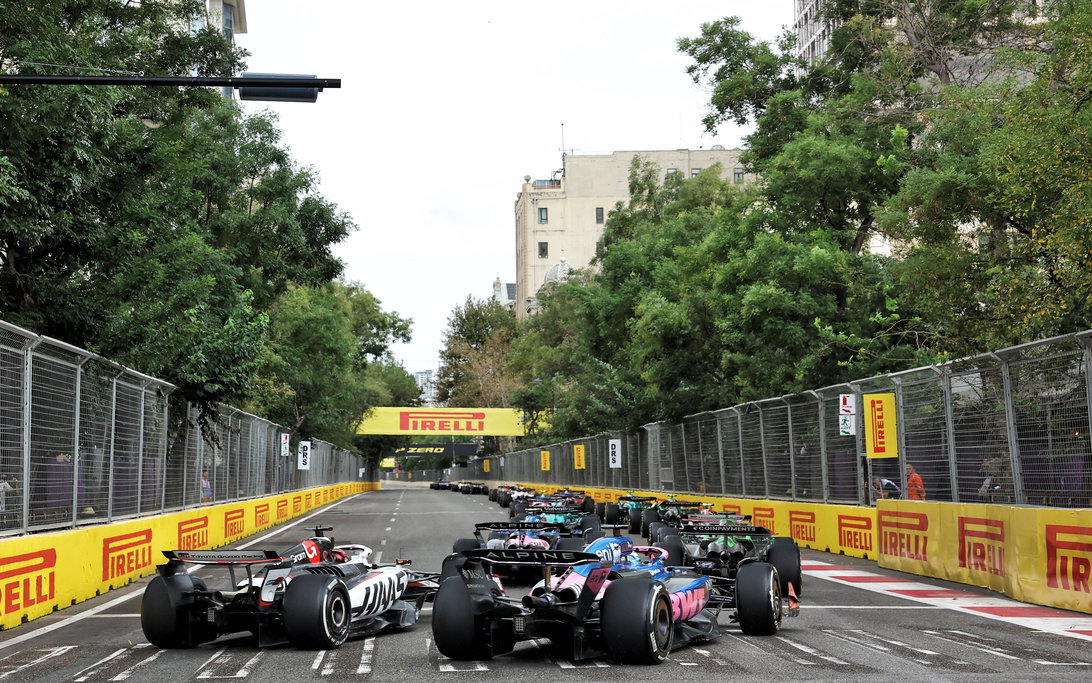
La revolución técnica de la Fórmula 1 para 2026 está preparada para hacer que las salidas de carrera sean significativamente más complejas y arriesgadas, con nuevas reglas de unidades de potencia y aerodinámica que crean desafíos frescos para pilotos y equipos. La eliminación de un componente híbrido clave reintroducirá el turbo lag, mientras que un nuevo 'Modo Recta' aerodinámico de baja resistencia estará restringido inmediatamente después de apagarse las luces debido a preocupaciones de seguridad.
Por qué importa:
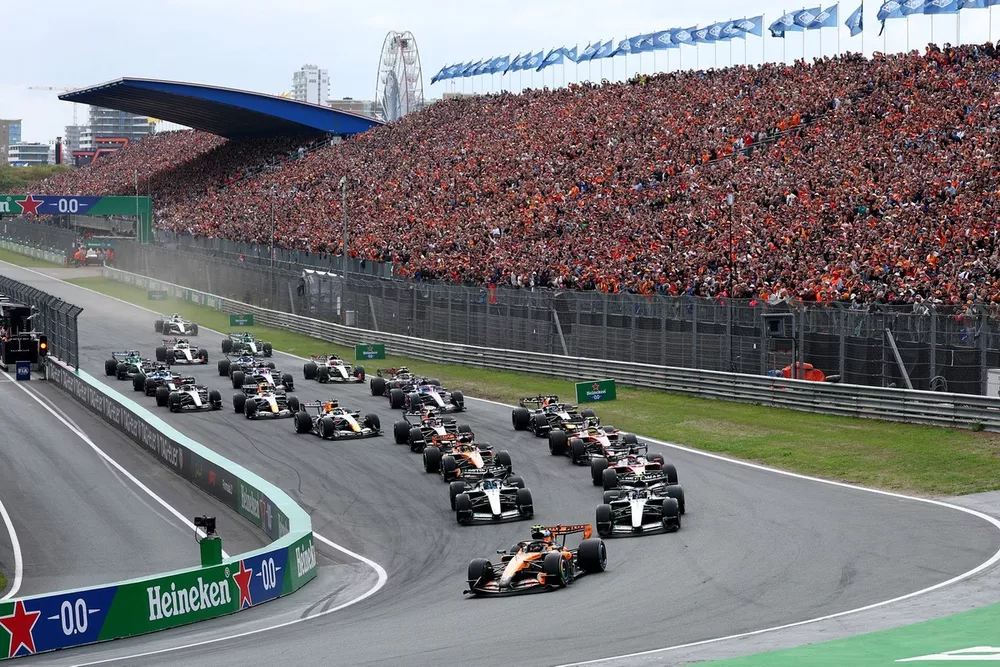
La salida es uno de los momentos más críticos y peligrosos de un Gran Premio. Estos cambios regulatorios podrían ampliar la brecha entre los equipos punteros y los de la zona media según quién domine primero los nuevos procedimientos, e introducir variables impredecibles que podrían barajar el orden en los primeros segundos de cada carrera. Equivocarse no solo significará perder posiciones, sino que podría llevar a coches calados y colisiones potenciales en un campo muy compactado.
Los detalles:
- Restricciones aerodinámicas: El nuevo 'Modo Recta', que aplana los alerones para reducir la resistencia y aumentar la velocidad máxima, estará prohibido desde la salida hasta la primera curva. La Comisión de la F1 consideró que el riesgo de coches inestables en un pelotón abarrotado con carga aerodinámica mínima era un peligro innecesario.
- El regreso del Turbo Lag: Con la eliminación del MGU-H (Motor Generador Unitario - Calor) de las unidades de potencia de 2026, regresa el clásico problema del turbo lag. Los pilotos necesitarán mantener el motor a altas revoluciones hasta por diez segundos en la parrilla para generar suficiente presión de turbo.
- Cronometraje crítico: El MGU-K (Motor Generador Unitario - Cinético), que recupera energía bajo frenada, no puede usarse para acelerar previamente el turbo mientras el coche está parado. Solo se vuelve disponible por encima de los 50 km/h, haciendo que el momento del lanzamiento sea extremadamente delicado.
- Anti-calado y nuevos procedimientos: Fallar la ventana de revoluciones perfecta corre el riesgo de activar el modo anti-calado, pudiendo dejar un coche varado. Para mitigar esto, la FIA ha introducido un período de espera adicional de cinco segundos después de la vuelta de formación, señalado con luces azules, dando a los pilotos más tiempo para preparar sus motores.
Qué sigue:
La temporada 2026 pondrá un enorme énfasis en el procedimiento perfecto y la gestión de energía desde el primer segundo. Los equipos pasarán los próximos dos años simulando miles de salidas para encontrar la configuración óptima del motor y la rutina del piloto.
- Es probable que las carreras iniciales sean caóticas, con una mayor probabilidad de incidentes en la línea de salida y cambios inesperados en el orden de la parrilla mientras el pelotón se adapta.
- El éxito dependerá no solo del rendimiento puro del coche, sino de la excelencia operativa y el control del software, pudiendo recompensar a los equipos más meticulosos. Este cambio hace que el papel del piloto como gestor de sistemas durante la fase de lanzamiento sea más crucial que nunca.
Artículo original :https://f1-insider.com/formel-1-2026-start-wird-zur-wissenschaft-75690/