





F1 2026: A New Era with Active Aero and 50/50 Power Units
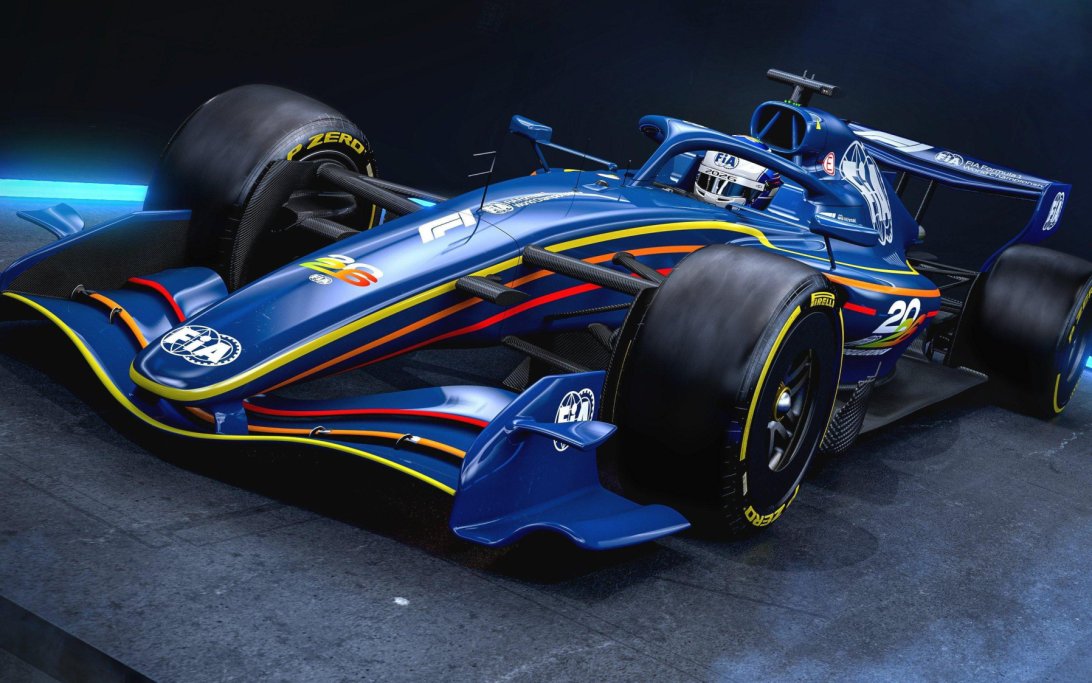
Formula 1 is set for its most significant regulatory overhaul in history for the 2026 season, fundamentally reshaping the cars to prioritize sustainability and closer racing. The new rules introduce a near 50/50 split between combustion and electrical power, alongside revolutionary active aerodynamics. These changes are designed to make F1 more relevant as a laboratory for future road car technology while simultaneously improving the on-track spectacle.
Why it matters:
- The overhaul is critical for F1's long-term relevance, aligning the sport with the automotive industry's global shift toward electrification and sustainability.
- By simplifying power units and removing the costly MGU-H, the rules aim to attract new engine manufacturers, ensuring a healthy and competitive grid for years to come.
- The introduction of active aero directly addresses fan concerns about the difficulty of overtaking, promising more exciting wheel-to-wheel action and strategic depth.
The details:
- Power Split: The internal combustion engine (ICE) output drops to ~400kW, while the battery (MGU-K) power nearly triples to 350kW, creating an even 50/50 power contribution.
- MGU-H Removal: The complex Motor Generator Unit - Heat (MGU-H), which recovers energy from exhaust gases, is eliminated to simplify the power unit and lower costs for new entrants.
- Enhanced MGU-K: Energy recovery will double to 8.5 megajoules per lap, primarily from braking, giving drivers significantly more electrical deployment to use strategically.
- Sustainable Fuels: All cars will run on 100% sustainable, drop-in fuels, reducing carbon emissions and cutting fuel consumption per race from 100kg to just 70kg.
- Smaller, Lighter Cars: The minimum weight is reduced by 30kg to 768kg. Cars will also be 200mm shorter in wheelbase and 100mm narrower, making them more agile.
- Active Aerodynamics: The current DRS system is replaced by manually-adjustable front and rear wings. Drivers can activate "overtake mode" when within one second of a car ahead, using a set amount of extra electrical power to aid a passing maneuver.
What's next:
The 2026 regulations represent a high-stakes gamble for Formula 1, but one deemed necessary for its future. The ultimate test for these rules will be their ability to attract new manufacturers, deliver more exciting racing, and position F1 as a leader in sustainable high-performance technology. While the technical concepts are now set, teams are already deep in development, and the real-world impact on the competitive order won't be clear until the cars hit the track in 2026.
Original Article :https://racingnews365.com/f1-2026-rules-all-the-major-changes-explained