



Ex-Exec Blames 'Tension' With New Management for Helmut Marko's Red Bull Exit
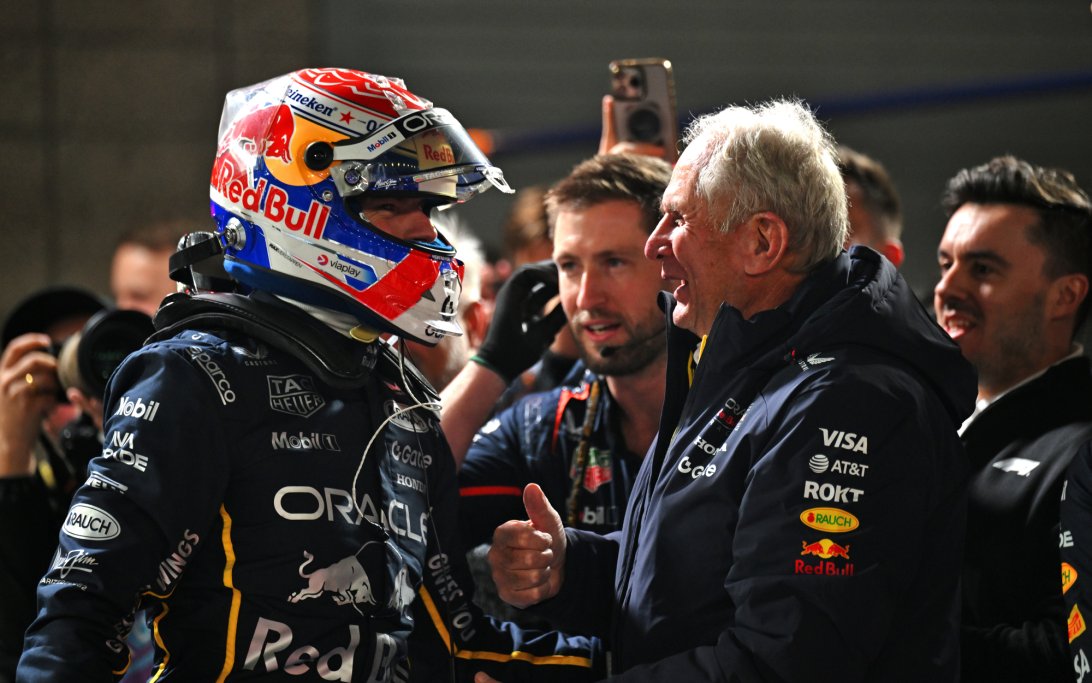
Helmut Marko's departure from Red Bull after 20 years may have been driven by internal 'tension' with the company's new management, according to former Alpine executive Marcin Budkowski. This theory suggests a power struggle emerged as new executives sought more authority, creating an untenable environment for the long-time advisor. The exit marks another significant change for the team following the recent departures of team principal Christian Horner and technical genius Adrian Newey.
Why it matters:
Marko was a foundational figure in Red Bull's two decades of F1 success, instrumental in recruiting and nurturing champions like Sebastian Vettel and Max Verstappen. His exit, alongside other key leaders, points to a major power restructuring within the energy drink giant's motorsport division. This shift could alter the team's long-term strategy, particularly its renowned young driver program, potentially impacting its competitive edge in the post-Verstappen era.
The details:
- Speaking on the RacingNews365 podcast, Budkowski described the relationship between Marko and new management, led by CEO Oliver Mintzlaff, as 'tense'.
- Power Shift: Budkowski theorizes that the new Austrian leadership wanted to consolidate more authority and decision-making power, which directly clashed with Marko's long-standing influence.
- Clash of Styles: The former executive noted that Marko is 'very binary' and requires 'full freedom and full decision-making power' to function effectively, an environment that was no longer available.
- Mutual Dissatisfaction: Budkowski suggested the situation reached a point where neither side was happy, implying Marko's exit was either a decision he made or one that was made for him.
Between the lines:
Marko's departure signifies more than just a single executive leaving; it represents the end of an era for Red Bull Racing. The 'old guard' responsible for the team's dominant run—Horner, Newey, and now Marko—has been completely replaced, signaling a move towards a more corporate-led structure. This raises questions about whether the new leadership can maintain the unique, aggressive culture that propelled Red Bull to the top, and how much influence the Verstappen camp will hold in future strategic decisions.
Original Article :https://racingnews365.com/red-bull-tension-theory-suggested-following-latest-f1-...