


Early Trackside Verdict on Every F1 2026 Car After Bahrain Testing
The first pre-season test in Bahrain revealed a mixed picture for the 2026 Formula 1 grid, with Red Bull and Mercedes appearing the most polished while others grappled with the demands of the new energy-focused regulations. Teams are wrestling with aggressive downshifts for energy recovery and resulting car instability, creating a clear early hierarchy and significant development challenges.
Why it matters:
The 2026 season introduces major technical changes centered on increased energy recovery, forcing teams to adapt their car dynamics and driving styles. This first test is a crucial indicator of which constructors have best interpreted the new rules, with early reliability and driveability issues potentially defining the opening races of the new era.
The Details:
- Red Bull appeared the most prepared, with its gearbox handling aggressive downshifts to first gear smoothly, highlighting a well-sorted package despite some rear instability.
- Mercedes evolved into a neat and tidy car as testing progressed, with Kimi Antonelli showing particular confidence in long runs, suggesting a stable and compliant platform.
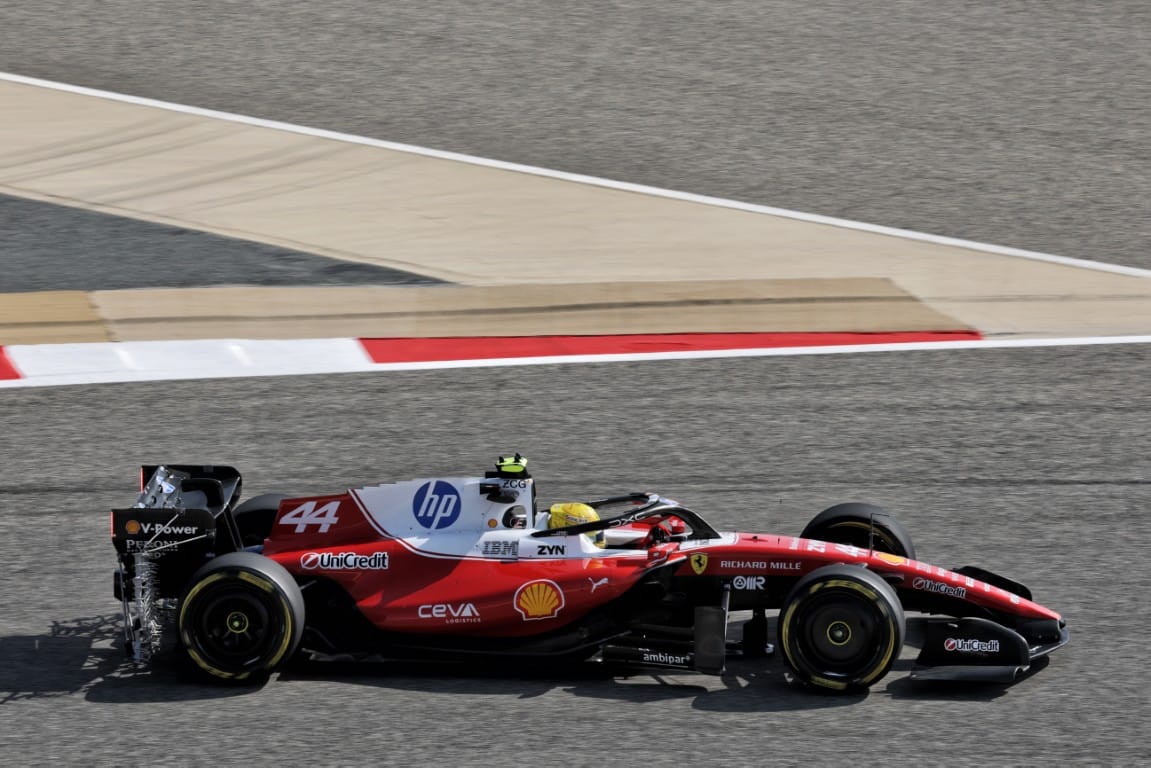
- Ferrari-engined cars, including the works team, showed rear instability and avoided downshifting to first gear to keep the turbo spooled, indicating a potential power unit characteristic or calibration issue.
- Audi struggled monstrously with braking and turn-in instability early on, improving to a midfield level but appearing to have one of the softer mechanical platforms.
- McLaren was inconsistent, capable of impressive laps but often unruly, with notable wheelspin up to fourth gear suggesting energy deployment refinement is needed.
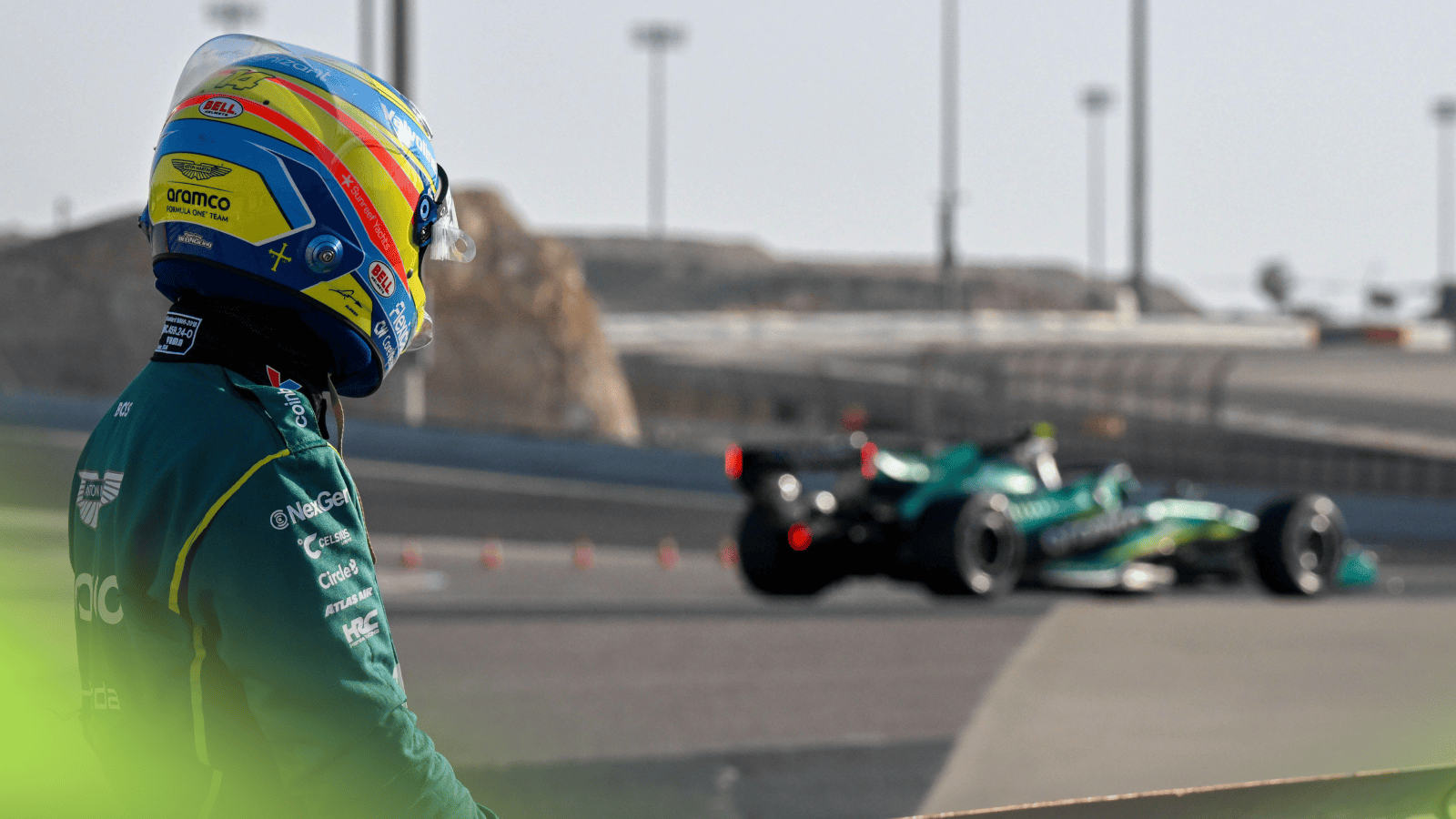
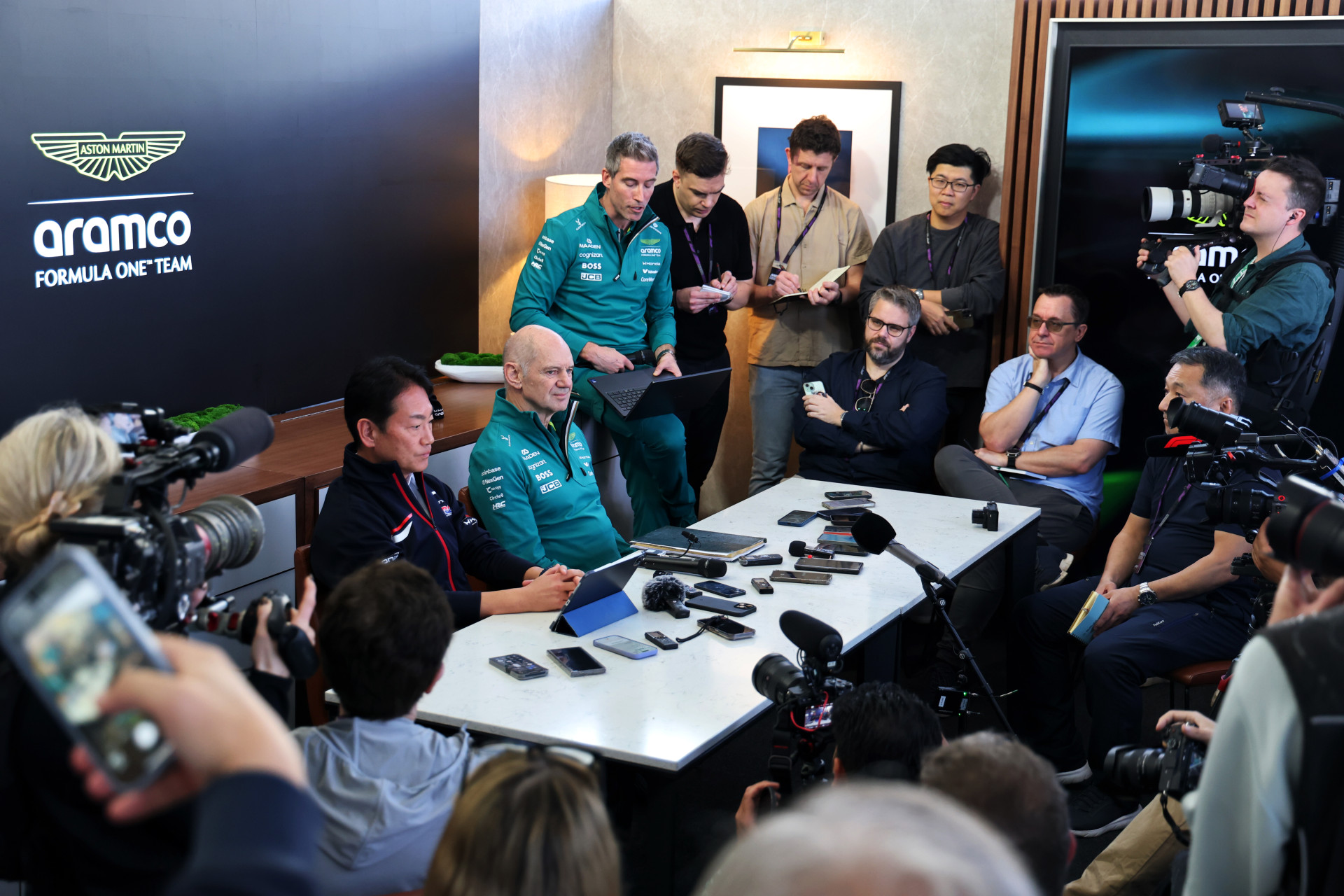
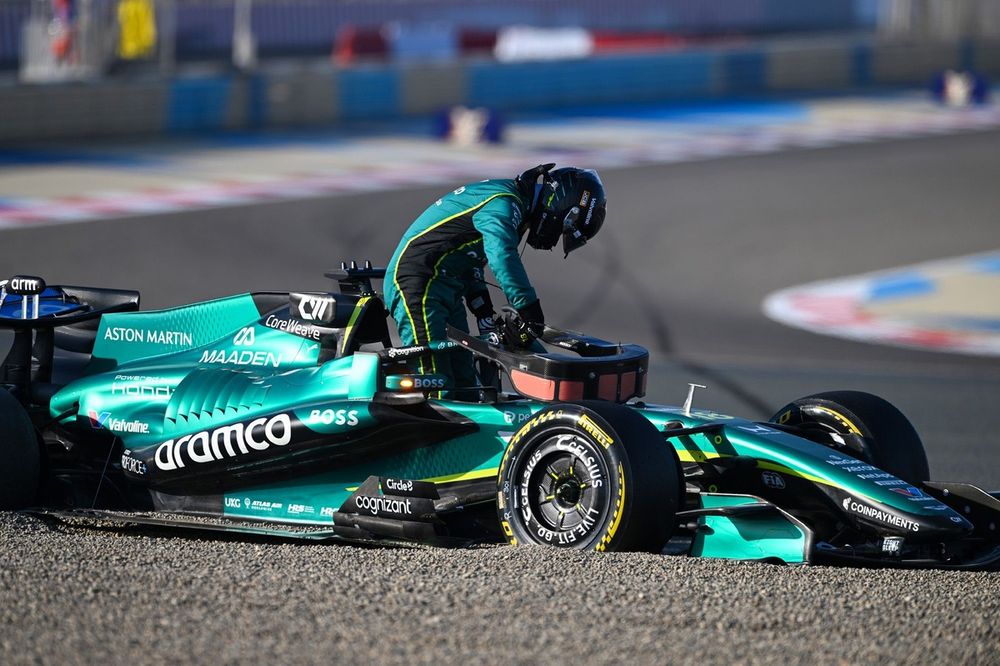
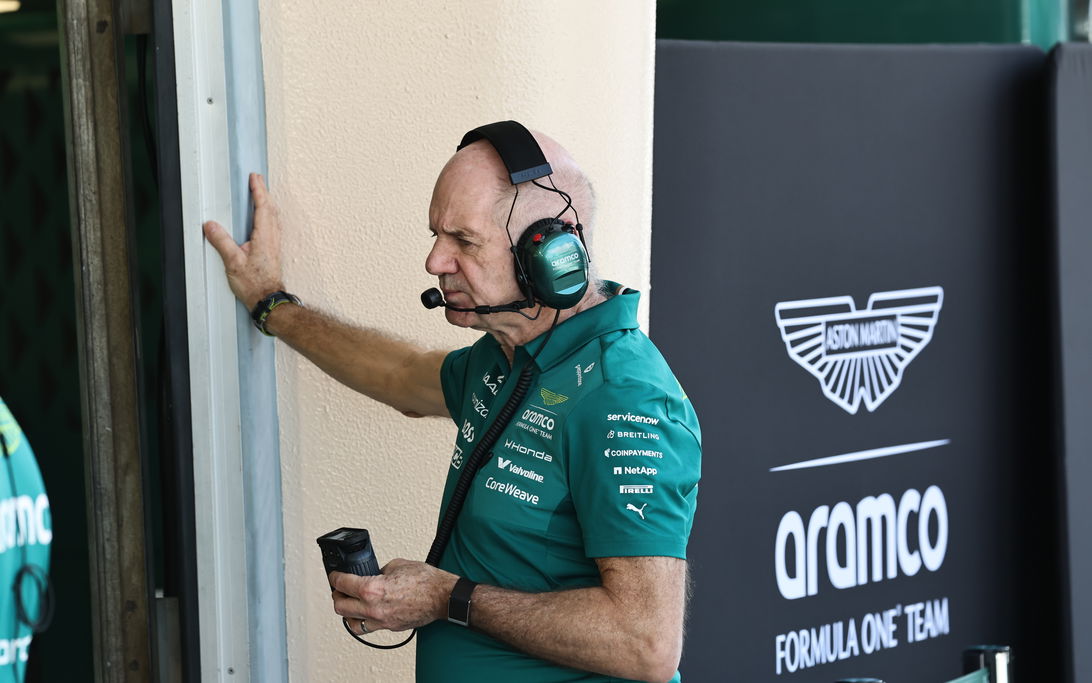
- Aston Martin looked consistently difficult to drive, with numerous lock-ups and slides, pointing to a package less understood than its rivals, potentially compounded by Honda engine energy recovery demands.
- The Racing Bulls and Williams faced their own challenges, with the former grappling with power unit effects on dynamics and the latter focusing on mileage but showing room for setup improvement.
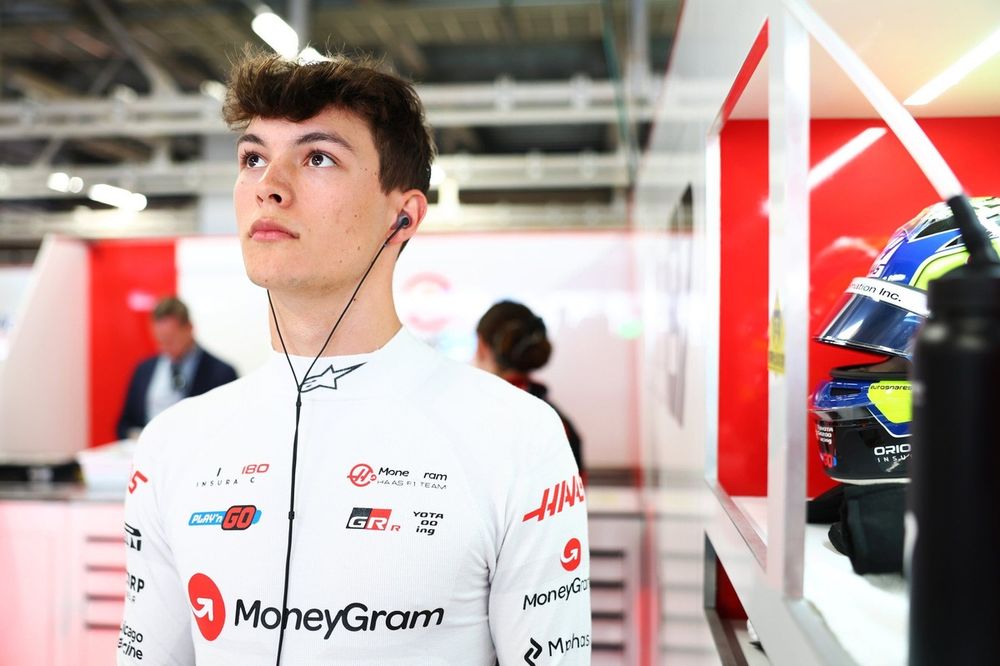
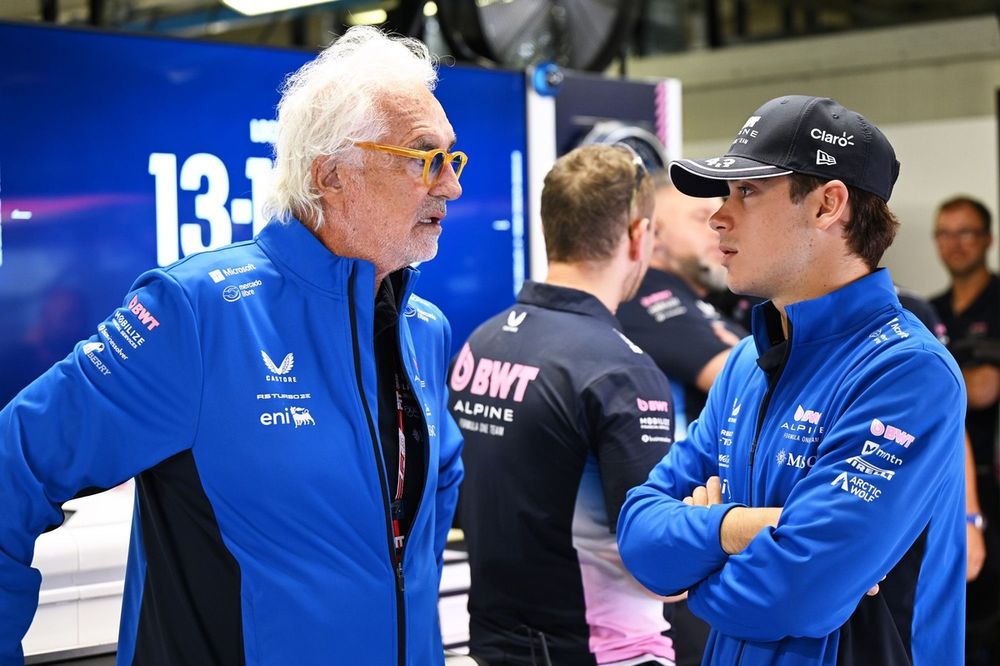
- Alpine and Haas solidified solid midfield impressions, with Alpine lacking ultimate grip and Haas maintaining a low-profile, reliable testing program.
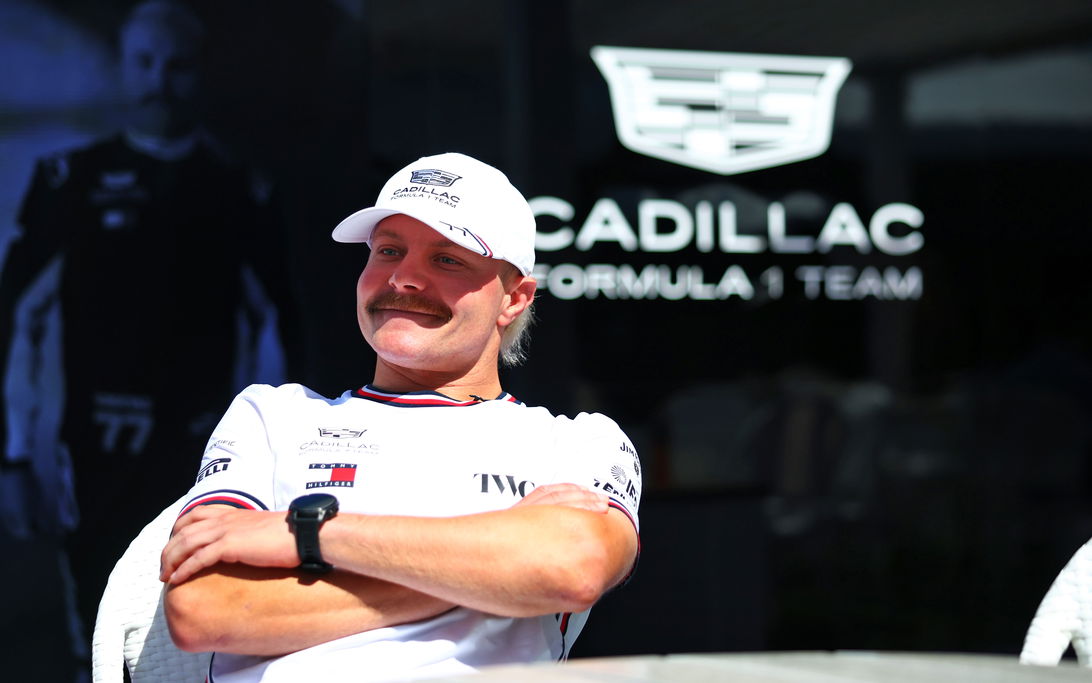
- Cadillac, as a new team, visibly struggled for overall aerodynamic grip but showed a fundamentally solid car behavior, aiming for backmarker respectability.
What's Next:
The data from Bahrain will trigger intense development cycles before the season opener. Teams like Ferrari, Audi, and Aston Martin have clear stability issues to resolve, while the front-runners will refine their packages. The true competitive order will crystallize as teams unlock more performance and reliability from their complex 2026 power units and chassis, setting the stage for a season defined by who best masters the new energy formula.
Original Article :https://www.the-race.com/formula-1/bahrain-f1-test-trackside-verdict-every-2026-...
