






Drivers give mixed reviews on F1's new energy management tweaks after Miami sprint
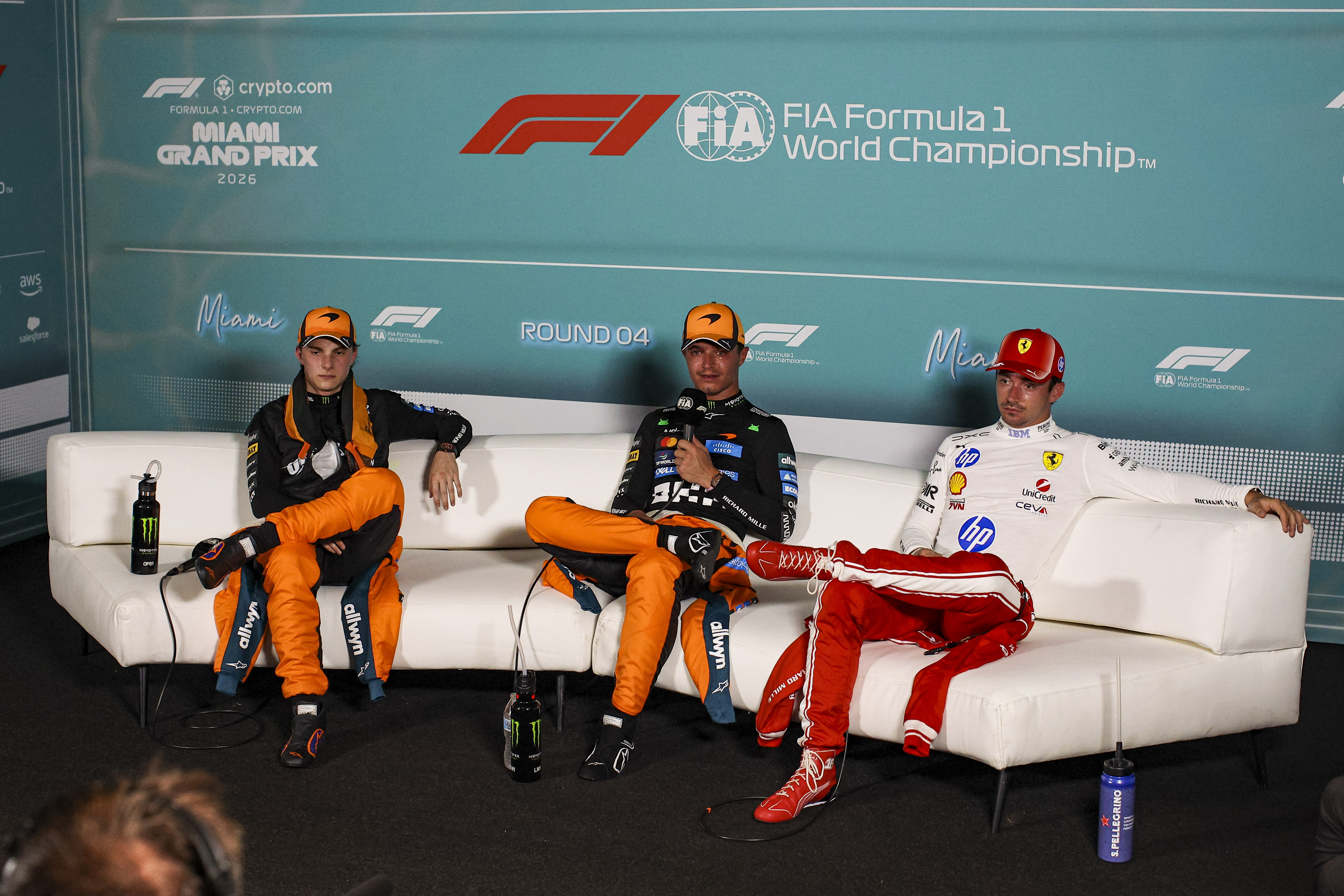
Formula 1 drivers have given their initial verdict on the sport's latest technical tweaks following the Miami Grand Prix sprint race, describing the changes to energy management as a step in the right direction but cautioning that fundamental issues with racing and qualifying remain. The adjustments, aimed at reducing dangerous closing speeds and making qualifying laps more straightforward, were felt by drivers but did not dramatically alter the on-track product during the sprint.
Why it matters:
These regulatory refinements represent the FIA's first attempt to address widespread driver complaints about the current generation of cars, specifically the 'yo-yo' effect in races where energy management dictates overtaking more than pure pace, and the counter-intuitive need to lift off during a qualifying lap to avoid penalties. While not a complete fix, the feedback from Miami serves as a crucial real-world test for future, more significant changes planned for 2026 and beyond.
The details:
- The primary goal of the tweaks was to lower the energy harvesting limits, allowing drivers to push harder for longer during a single qualifying lap without being penalized for exceeding energy deployment caps.
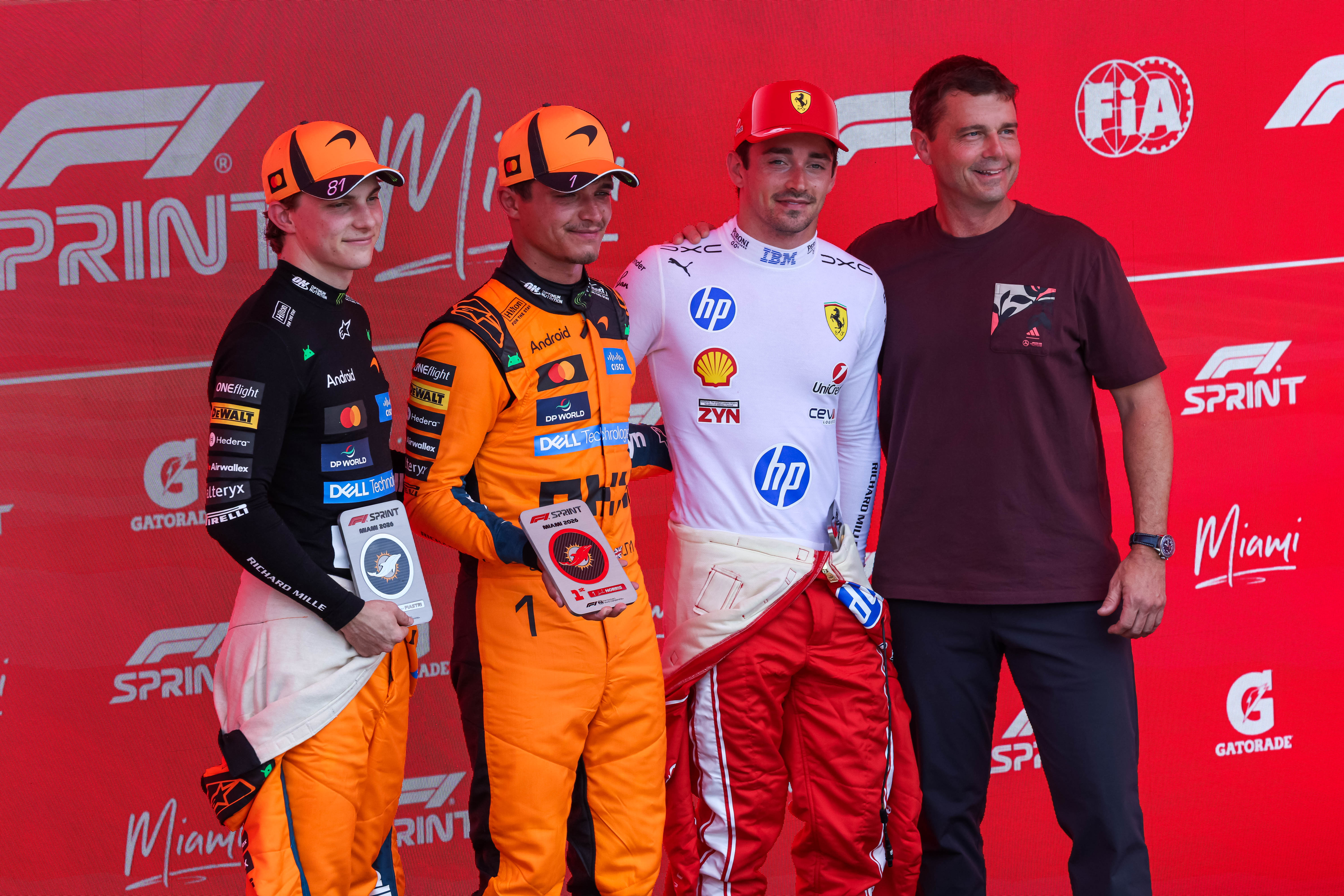
- Driver Feedback: Reigning champion Lando Norris, who won the Miami sprint, called it "a step forward" and noted that for most of qualifying, he wasn't constantly calculating when to lift. However, he stressed that the core issue—being penalized for going quicker in some corners—persists and is something "we want to fix."
- Limited Track Impact: Both Norris and Ferrari's Charles Leclerc pointed out that the Miami International Autodrome is not the most demanding circuit for energy management, meaning the changes' full effect—both positive and negative—wasn't fully exposed. More critical tracks like Melbourne will provide a sterner test.
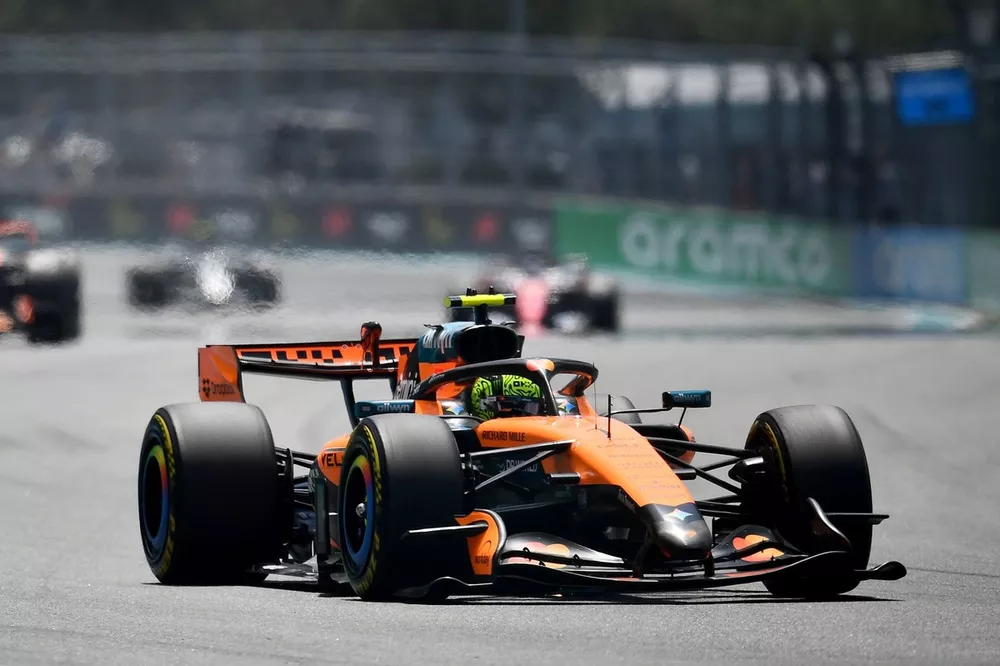
- Race Impact Minimal: Drivers were clear that the changes had little to no effect on the racing itself during the sprint. Norris stated, "In the sprint race nothing really changes at all," apart from the use of overtaking aids like DRS and the push-to-pass 'Super Clip' system.
- The Yo-Yo Question: Observations suggested slightly fewer artificial position swaps due to energy management in Miami, but drivers attributed this more to the track's high temperatures making it difficult to follow closely and overheat tires, rather than the new rules.
What's next:
The consensus in the paddock is that these tweaks are a temporary palliative, not a cure. Drivers have realistic expectations, with Leclerc noting, "We cannot change so much either... some of those technical regulations and the issues we are facing will remain there somehow." The true test will come at more traditional, high-energy circuits later in the season. All eyes are now on the longer-term solutions being developed for the 2026 technical regulations, which promise a more fundamental overhaul of the power unit and chassis rules to promote better racing.
Original Article :https://www.motorsport.com/f1/news/lando-norris-drivers-still-get-penalised-for-...