

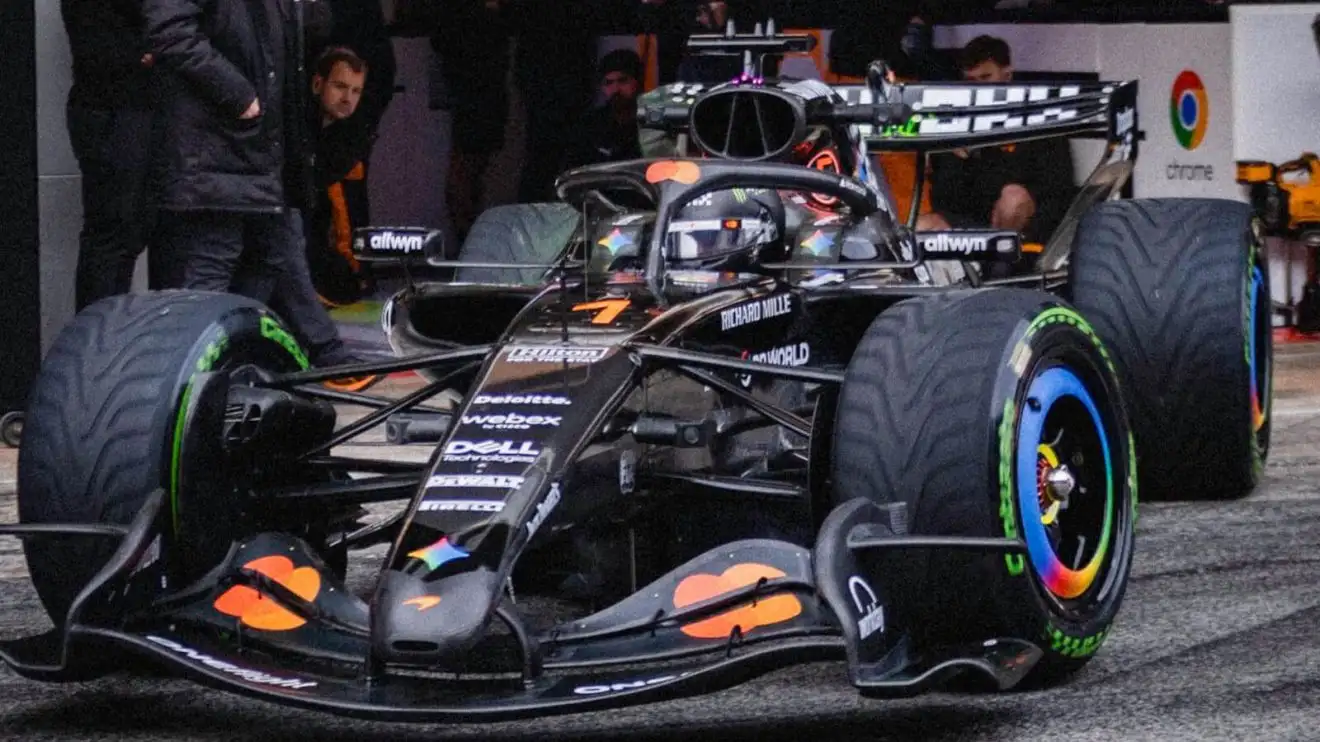
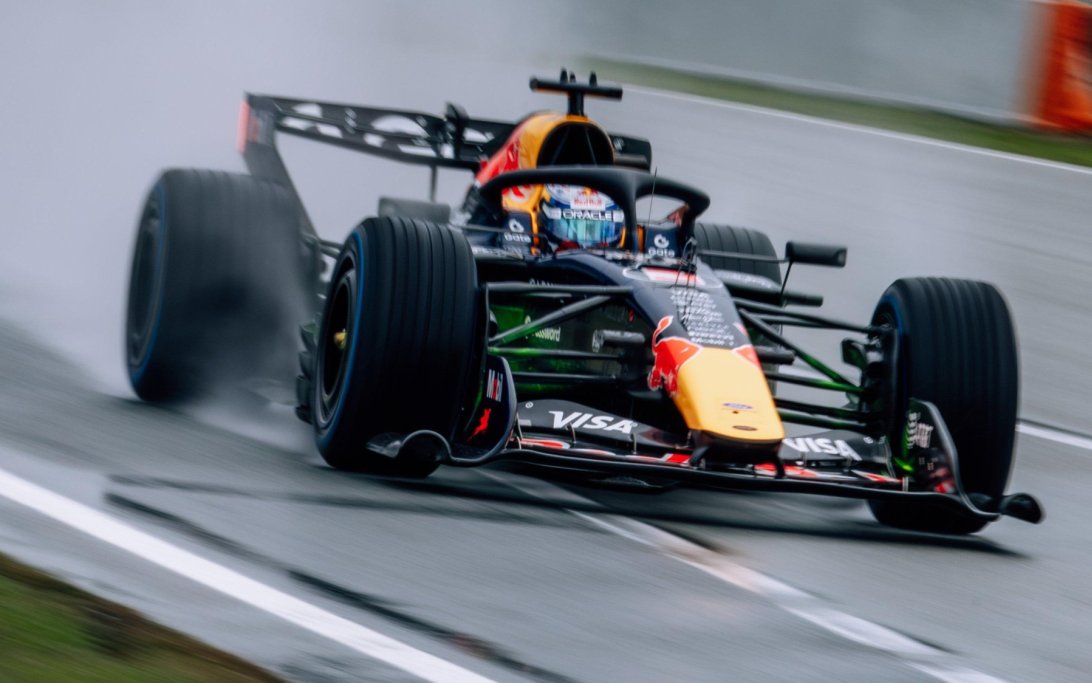
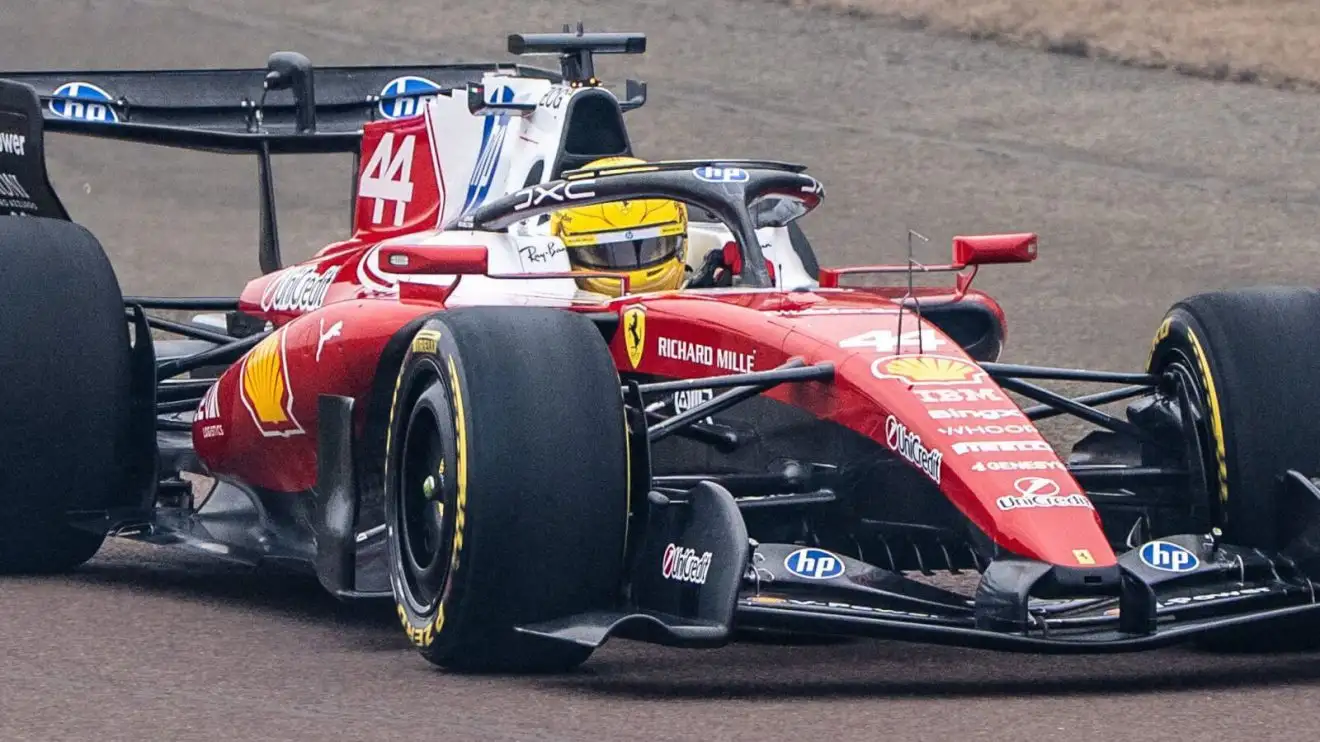
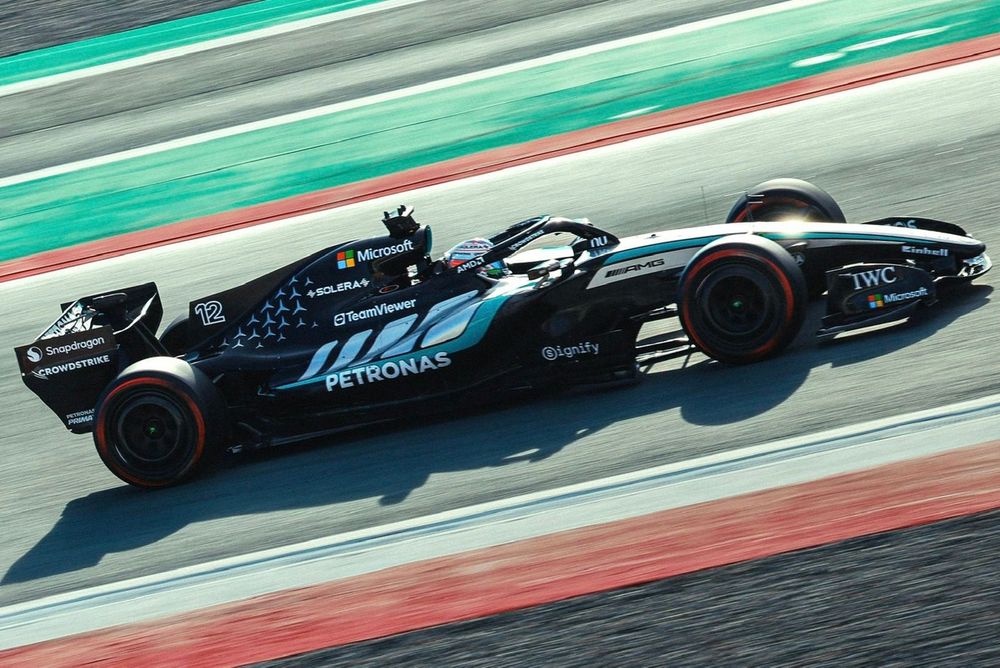


Drivers Adapt to 'Very Different' 2026 F1 Cars in Barcelona Shakedown
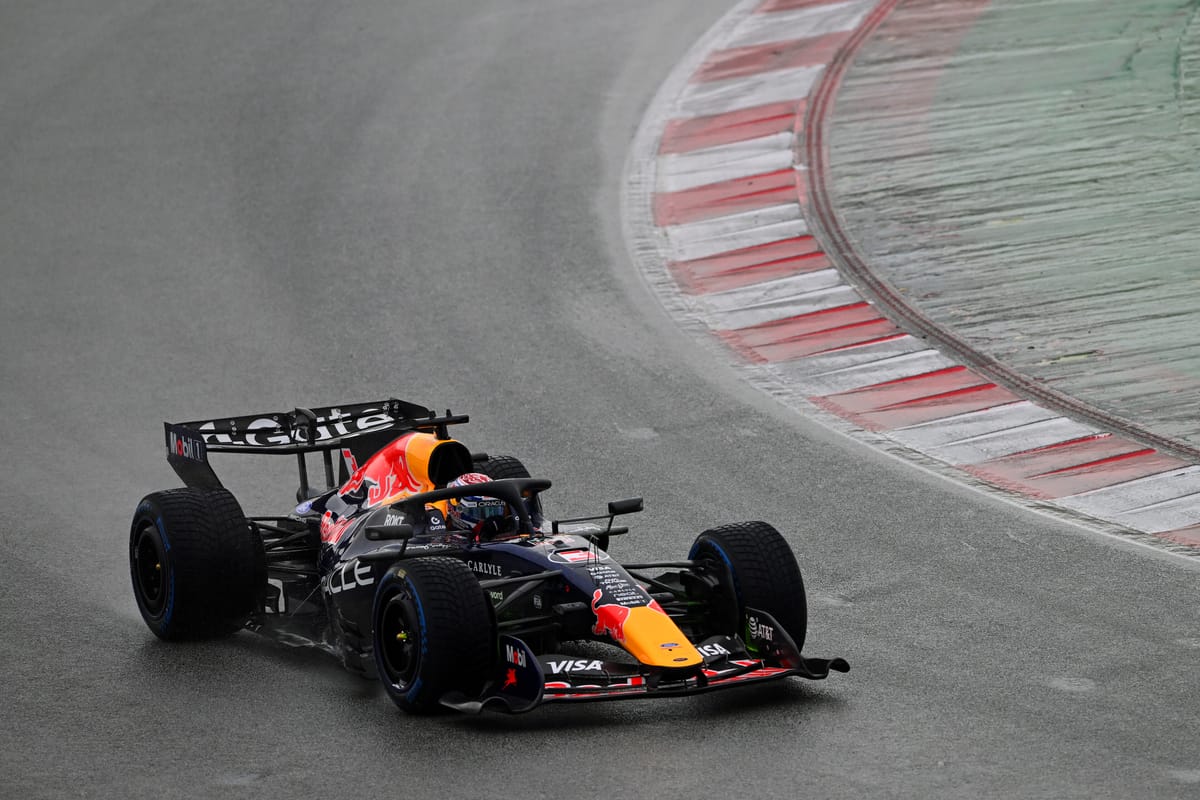
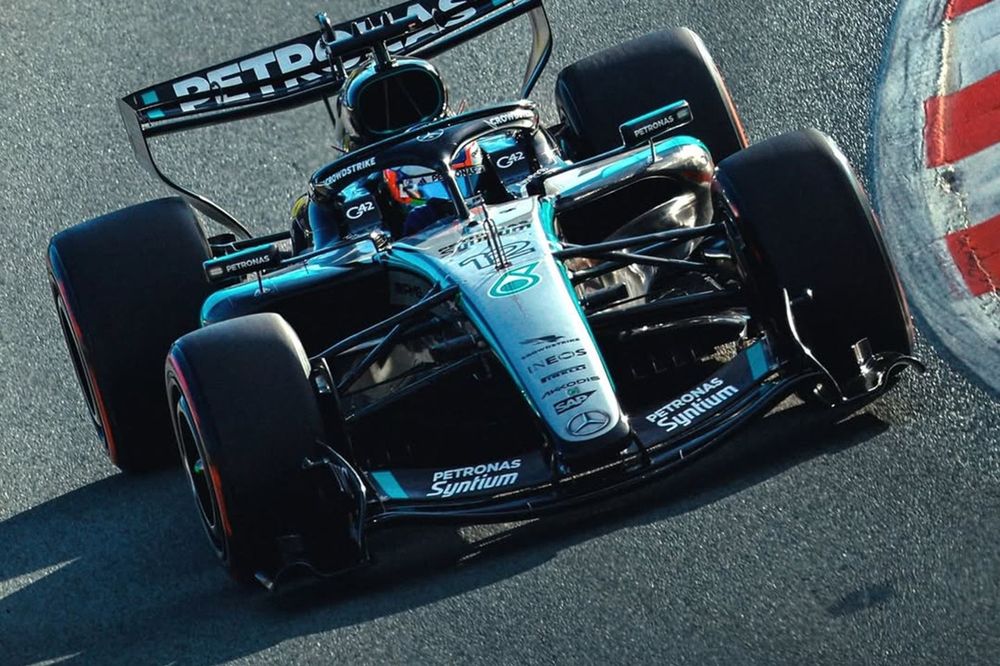
The first on-track running of Formula 1's 2026 cars has left drivers unanimous in their initial feedback: the experience is "very different." The prototype cars, featuring significantly less downforce and new active aerodynamics, demand a higher workload from drivers and introduce new tactical elements with a major increase in electrical power.
Why it matters:
The 2026 regulations represent the sport's most radical technical shift in over a decade, aiming to create closer racing and more sustainable cars. The driver's first impressions are a crucial early indicator of whether the new formula will achieve its core goals of improving the spectacle while placing greater emphasis on driver skill and energy management.
The details:
- Reduced Downforce & Active Aero: The cars have "considerably less downforce," altering their fundamental feel. To compensate for drag from the new power units, the cars feature active aerodynamics. On straights, drivers manually open the rear wing and flatten elements of the front wing within designated "Activation Zones," marked similarly to old DRS zones.
- Increased Workload: This manual operation, required on many more straights per lap than the old DRS system, adds to driver workload. A new "partial activation" mode for wet conditions allows only the front wing to open, keeping the rear wing closed for stability.
- Tactical Energy Management: The electrical power from the MGU-K nearly doubles to 350 kW, giving drivers a powerful new tool. How and when to harvest and deploy this energy will become a key strategic element, with team bosses predicting it could lead to overtaking in unusual places.
- Driver-Centric Philosophy: The FIA's Nikolas Tombazis stated the intent is to make drivers more central to the sport, moving beyond "just a steering wheel and two pedals." The governing body will assess workload feedback after winter testing and has tools to adjust if necessary.
What's next:
While drivers like Mercedes junior Andrea Kimi Antonelli called the new demands "still doable," the consensus is that adaptation is required. The FIA will evaluate all data and driver feedback from this shakedown and the official winter tests next year. The early signs point to a formula that is more physically and mentally demanding, placing a premium on a driver's ability to manage multiple systems while adapting their driving style to a car with fundamentally different aerodynamic characteristics.
Original Article :https://www.motorsport.com/f1/news/explained-how-f1s-active-aero-works-and-what-...