




Domenicali calls driver criticism of 2026 F1 rules 'wrong'
F1 CEO Stefano Domenicali has labeled criticism of the 2026 technical regulations from star drivers like Max Verstappen and Lewis Hamilton as "wrong," defending the sport's direction despite concerns over the new cars' demanding energy management. The comments highlight a growing tension between the sport's leadership and its top competitors over the future of the racing spectacle.
Why it matters:
The public disagreement between F1's top executive and its most prominent champions puts a spotlight on the fundamental challenge of balancing technological evolution with pure racing appeal. With the 2026 rules representing the next major regulatory shift, driver feedback is crucial, but Domenicali's firm stance suggests the commercial and technical roadmap is largely set, prioritizing a specific vision for F1's future over immediate driver comfort.
The details:
- The core of driver criticism centers on the 2026 power units, which triple the peak electrical power to 350kW. This necessitates intense battery management, requiring drivers to "lift and coast" to regenerate energy during qualifying laps—a tactic Verstappen and Hamilton have derided as "anti-racing."
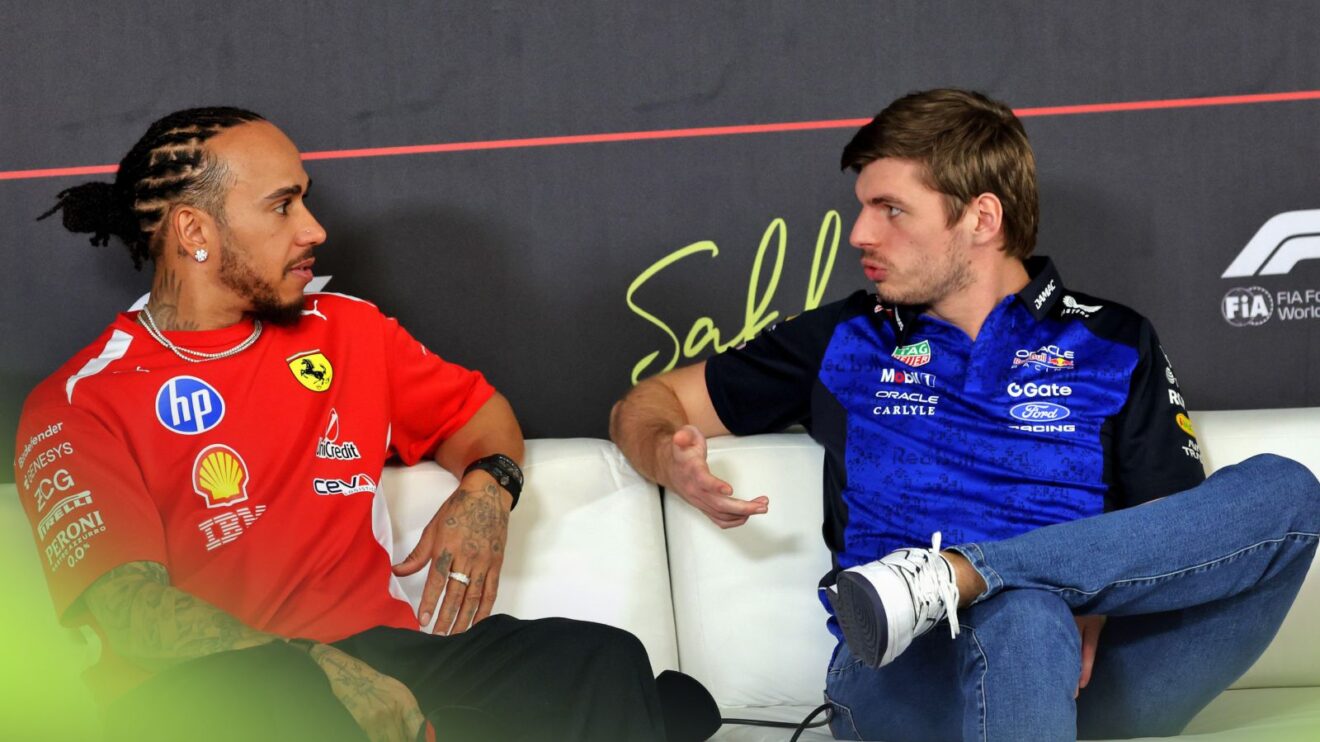
- Verstappen's Critique: The reigning champion has been the most vocal, calling the early simulation experience "Formula E on steroids" and suggesting the driving style could impact his long-term future in the sport.
- Hamilton's Agreement: The seven-time champion echoed the sentiment, stating that having to lift and coast on a single lap is "not what racing is about."
- Broadening Skepticism: Initial optimism from drivers like Lando Norris has turned to a more downbeat assessment after further simulations, indicating widespread concern within the paddock.
- Domenicali's Defense: In response, the F1 CEO asserted that speaking negatively about the sport is not right, emphasizing that the "incredible world" of F1 has allowed everyone to grow. He stressed that the evolution will ultimately reward the best drivers, but confirmed he is listening to the feedback.
Between the lines:
The debate goes beyond mere driving complaints. Drivers are effectively questioning whether the sport's governing bodies are prioritizing hybrid complexity and road-relevance over wheel-to-wheel competition and driver skill. Domenicali's rebuttal frames their criticism as detrimental to the ecosystem, positioning the organization as the guardian of F1's overall growth. Pundits like 2009 champion Jenson Button offer a middle ground, appreciating drivers being outspoken but urging patience until the cars are actually raced.
What's next:
The theoretical debate will soon meet reality. While the full 2026 cars won't appear for two years, ongoing simulator work and prototype testing will continue to shape the final regulations. The first real-world test of the new car concepts in a race weekend environment will be the ultimate judge of whether the driver concerns are valid or if Domenicali's confidence in the "evolution" is justified. The coming months will see if the dialogue becomes more collaborative or if the divide between the cockpit and the executive suite widens further.
Original Article :https://www.planetf1.com/news/f1-2026-rules-stefano-domenicali-max-verstappen-le...