






Christian Horner on the Risks and Rivalries Behind Red Bull Powertrains
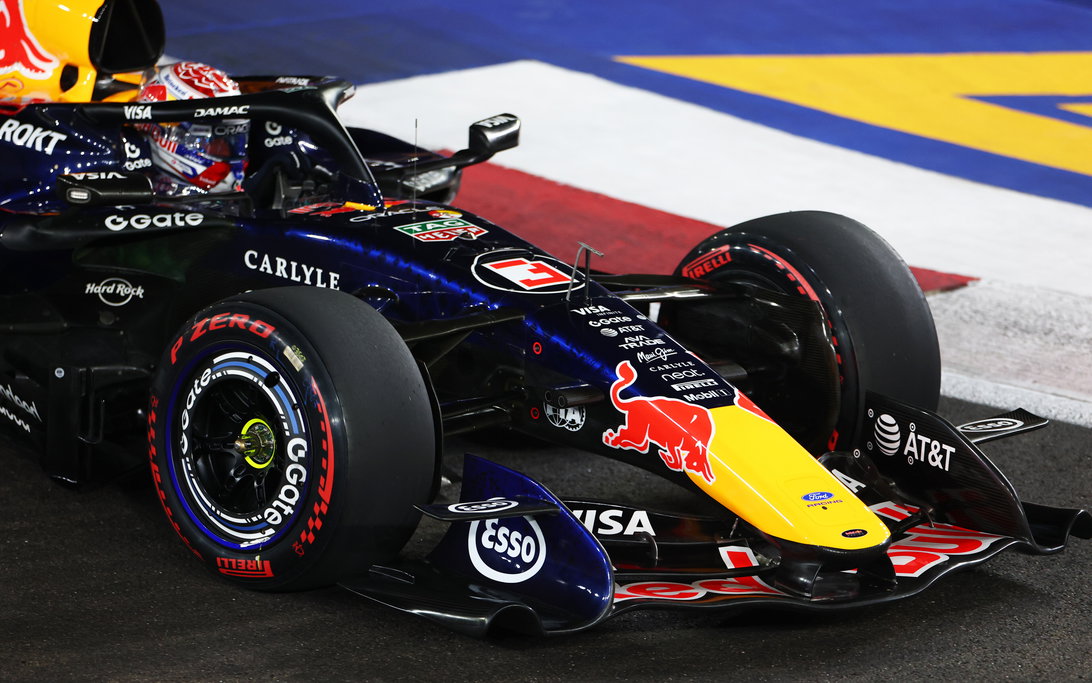
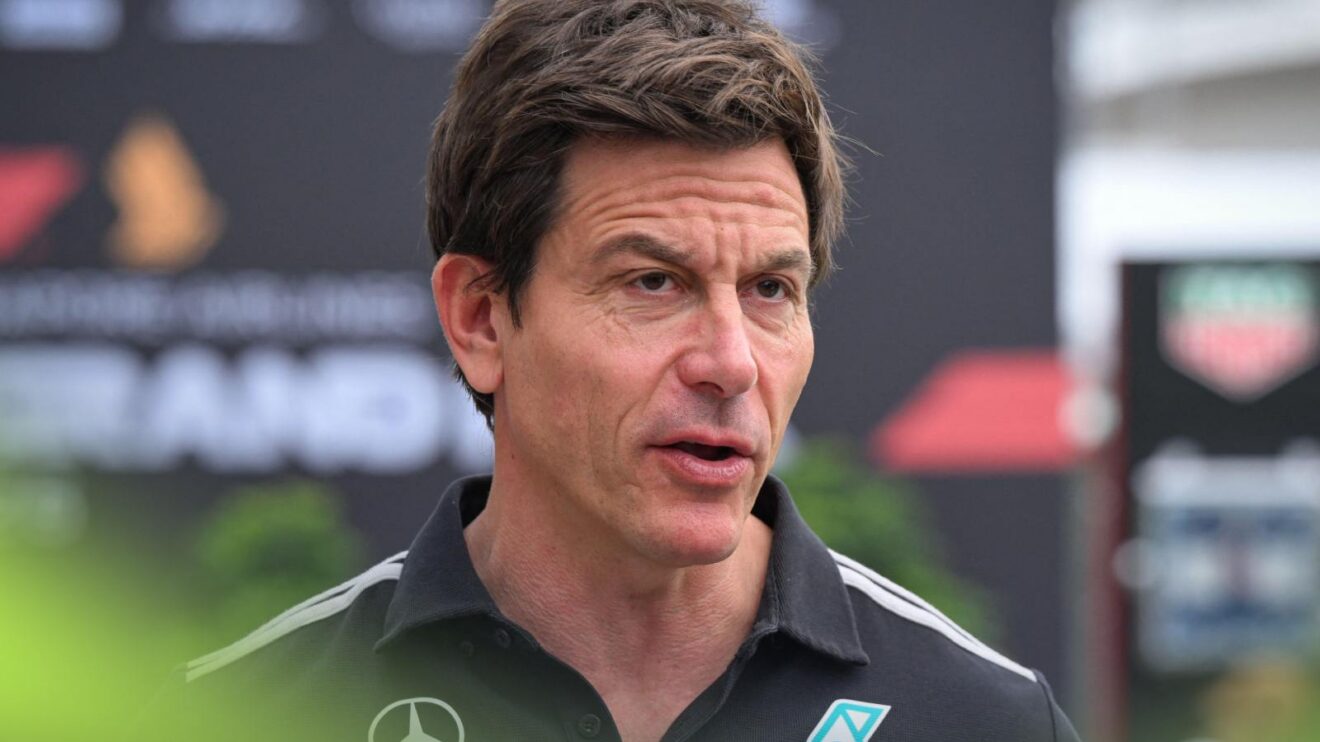
Christian Horner has revealed the unconventional early days of Red Bull Powertrains (RBPT), including a humorous ban on mentioning "Mercedes" during internal meetings. After aggressively recruiting nearly 200 specialists from Mercedes High Performance Powertrains, Horner felt the team culture was too focused on the past, prompting a mandate to refer to their former employer simply as "Team B."
Why it matters:
Establishing RBPT was the most significant gamble in Red Bull's history, transitioning the team from a customer to a full-fledged power unit manufacturer. This independence was critical for securing long-term stability and performance under the complex 2026 regulations, effectively removing the vulnerability associated with relying on external suppliers.
The details:
- The Culture Shift: To break the habit of ex-Mercedes staff constantly referencing old workflows, Horner banned the word "Mercedes" to foster a distinct, independent RBPT identity.
- The Porsche Pivot: Early talks with Porsche collapsed after Horner realized Red Bull's preparations were significantly more advanced. He feared a 50-50 partnership would lead to technical compromises and conflicting directions.
- The Ford Alliance: Ford joined the project with a supportive philosophy. Learning from previous F1 ventures, Ford allowed Red Bull to lead the technical direction, providing resources without over-managing the process.
- Rapid Success: Despite the risks of starting from zero, the Red Bull-Ford PU achieved victory in its 16th race, proving the viability of the start-up model against established giants.
The big picture:
Building a competitive engine under the most intricate regulations in F1 history is a rare feat. The success of RBPT validates Red Bull's aggressive talent acquisition strategy and their willingness to take total control of their technical destiny rather than settling for a compromised partnership.
What's next:
As the 2026 season reaches its final stages, the focus has shifted from proving the engine's viability to optimizing its peak performance. Having already secured early wins, RBPT now aims to translate this initial success into a long-term power advantage over the grid.
Original Article :https://www.planetf1.com/news/christian-horner-mercedes-ban-red-bull-powertrains