





Chinese GP Exposes F1's Shifting Competitive Landscape
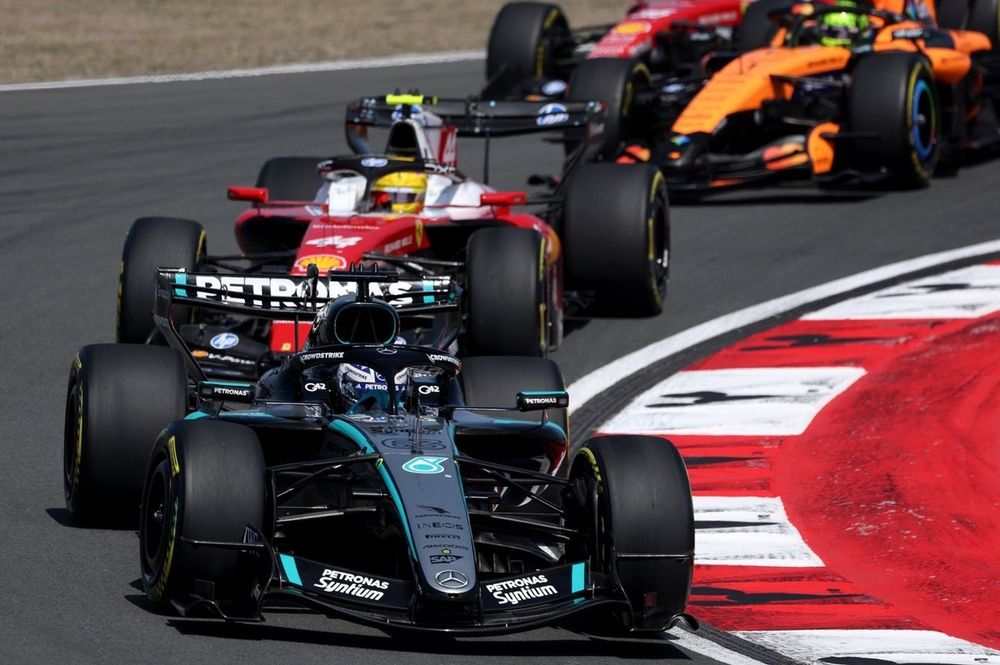
The Chinese Grand Prix weekend revealed a tightening field, with Mercedes facing a closer challenge from Ferrari and McLaren while Red Bull's struggles appear more fundamental than just its new power unit. Although the W17 remains the class leader, its advantage is no longer insurmountable, setting the stage for a more unpredictable season.
Why it matters:
The apparent convergence at the front suggests the 2025 season may not be a straightforward Mercedes procession, offering hope for a multi-team championship battle. For Ferrari and McLaren, closing the gap validates their development paths, while Red Bull's deeper issues highlight the immense challenge of becoming a full works team overnight.
The details:
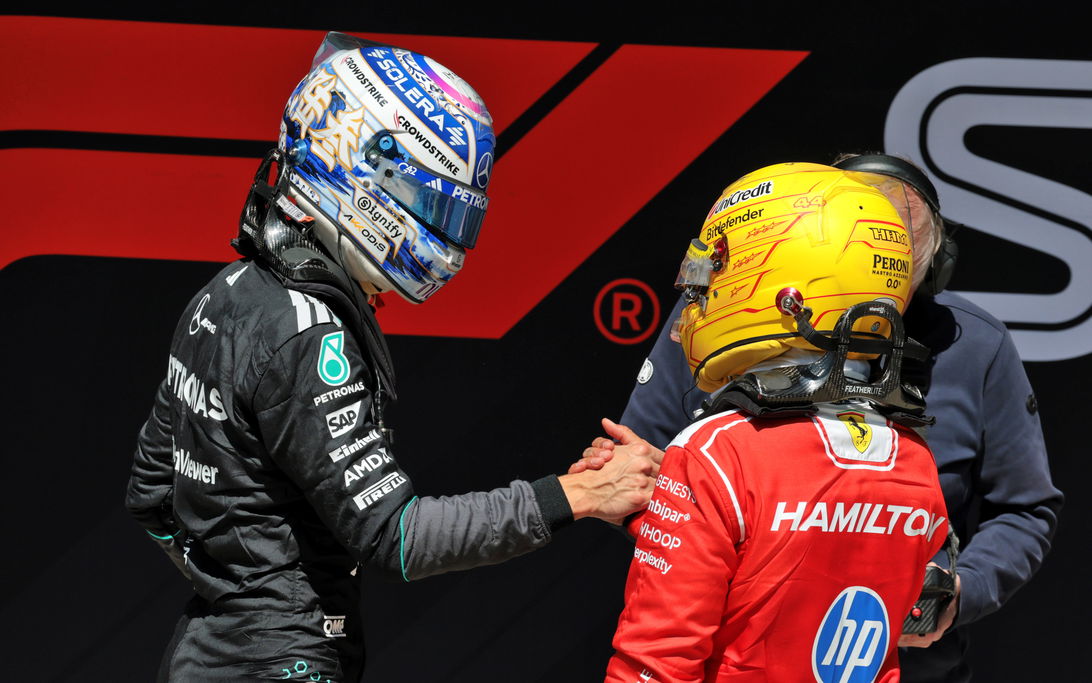
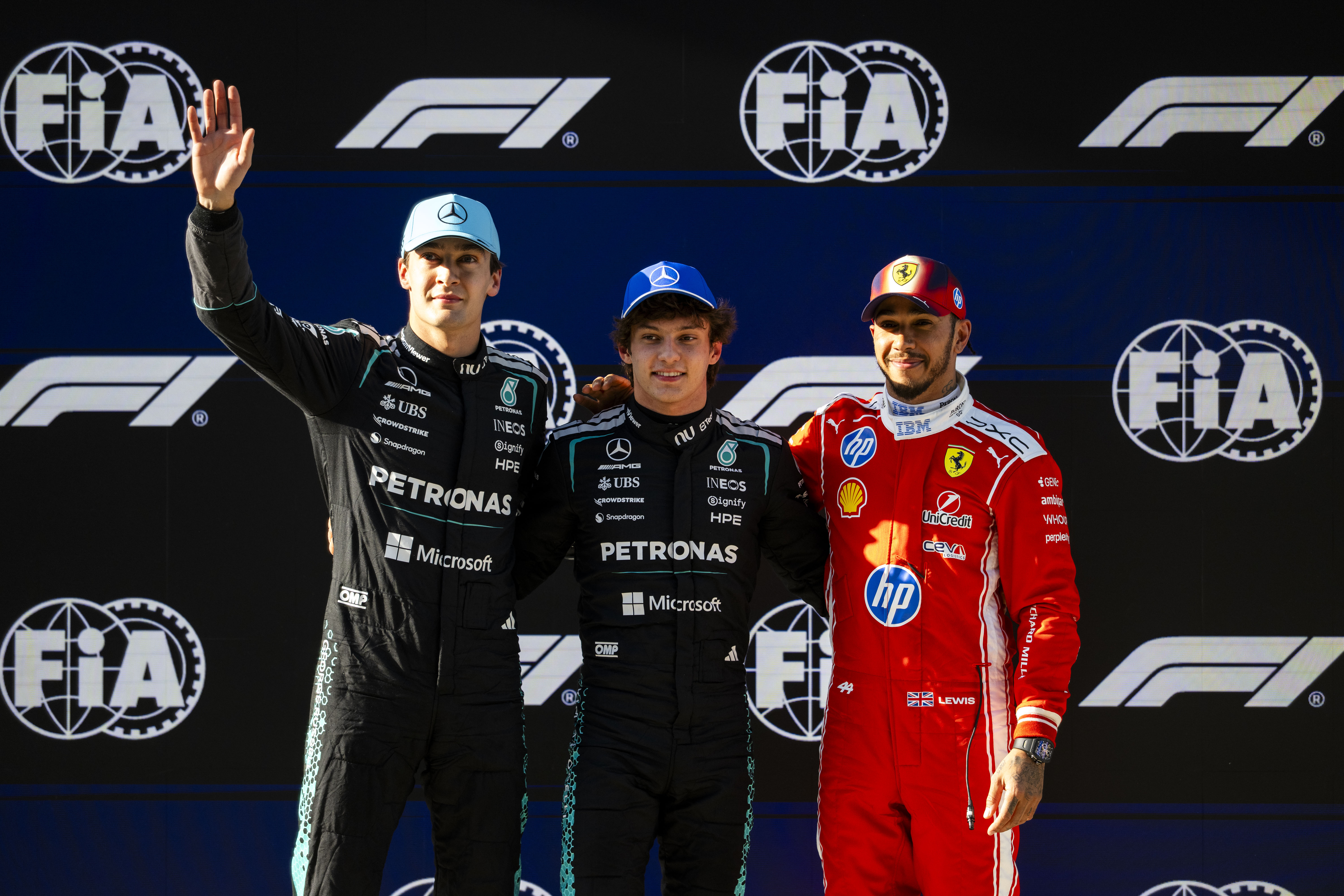
- Mercedes' Manageable Lead: While still the fastest package, Mercedes' dominance was less pronounced in Shanghai. The circuit's characteristics, offering more regenerative braking opportunities, may have mitigated its energy deployment edge. George Russell's qualifying scare and a resurgent Lewis Hamilton show the team isn't bulletproof.
- Ferrari's Two-Pronged Threat: The Scuderia emerged as the closest challenger, providing relief to fans hoping for a title fight. Critically, Hamilton now has a car to his liking, giving Ferrari two potent drivers to pressure Mercedes consistently.
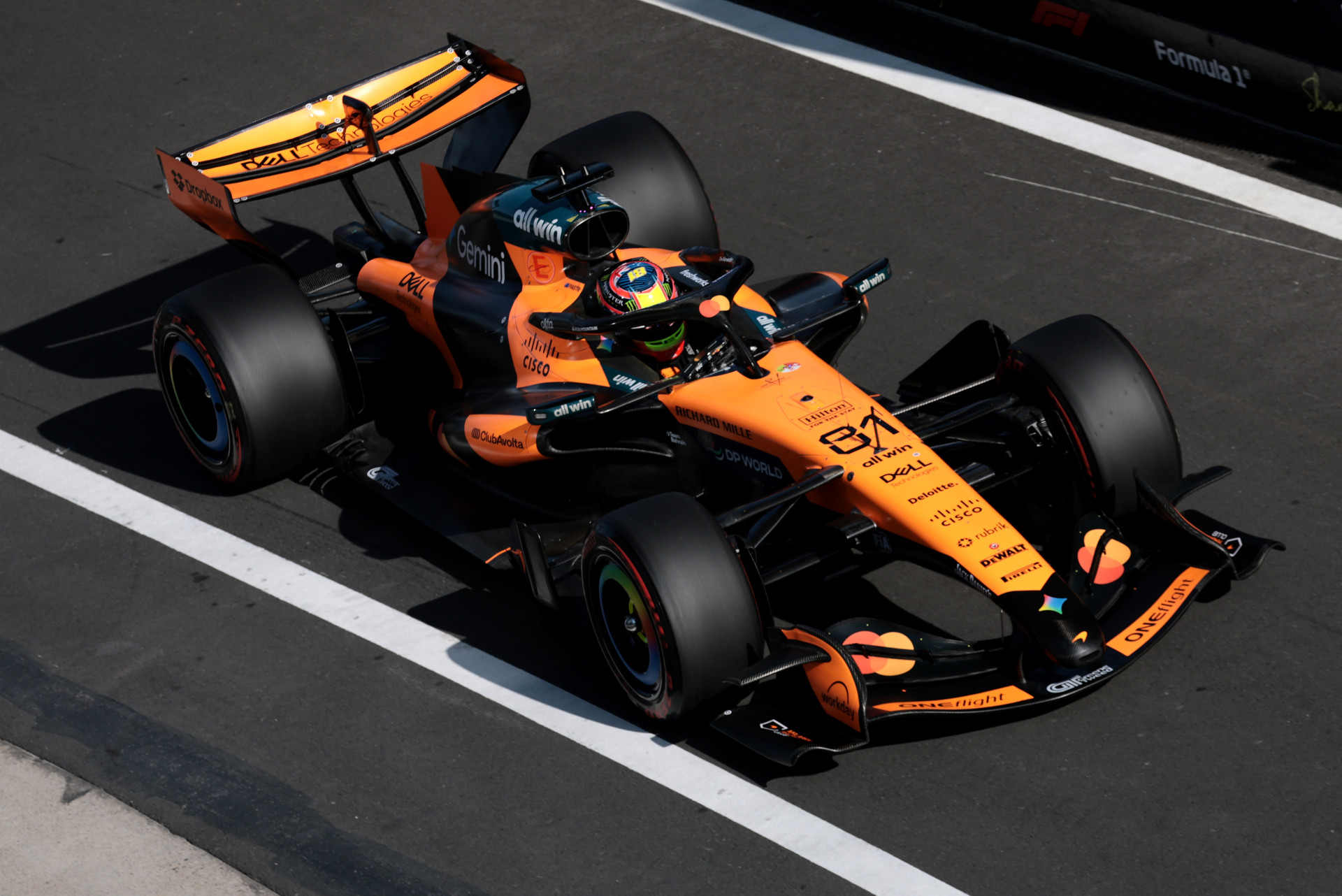
- McLaren's Promising Trajectory: After a sobering Melbourne, McLaren solidified its position as the clear third-fastest team in China. Lando Norris had the pace to potentially split the Ferraris in qualifying. The team's historical strength in-season development suggests they could climb further.
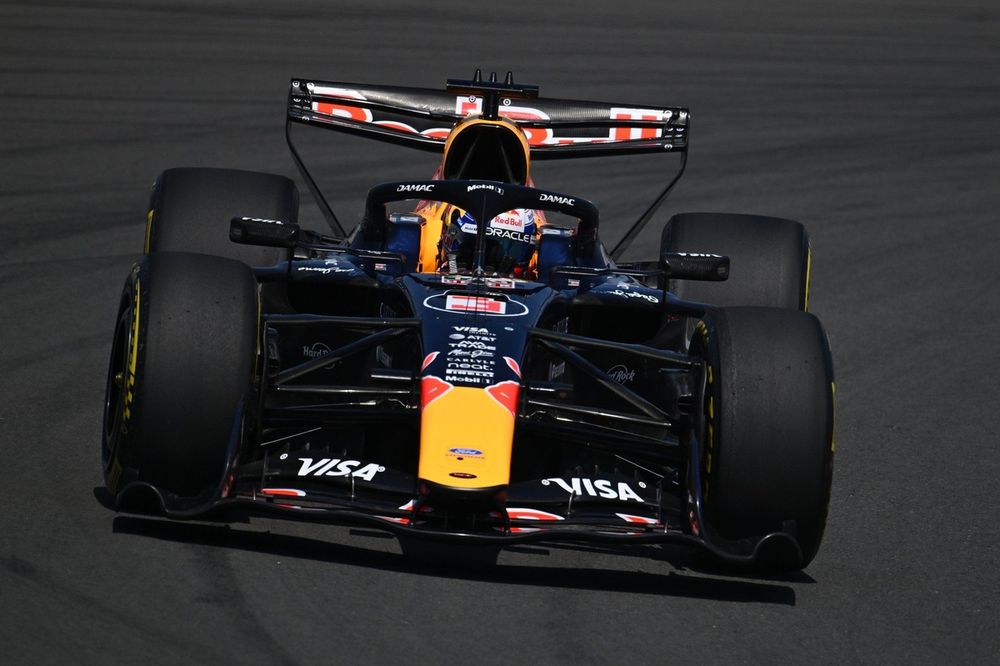
- Red Bull's Core Problems: Issues extend beyond the nascent Red Bull Ford Powertrains unit. The RB22's balance was "all over the place" in both qualifying and race trim, leading to a rare error from Max Verstappen in the Sprint and a grid position nearly a second off pole. The silver lining is rookie Isack Hadjar's competitive performance alongside his champion teammate.
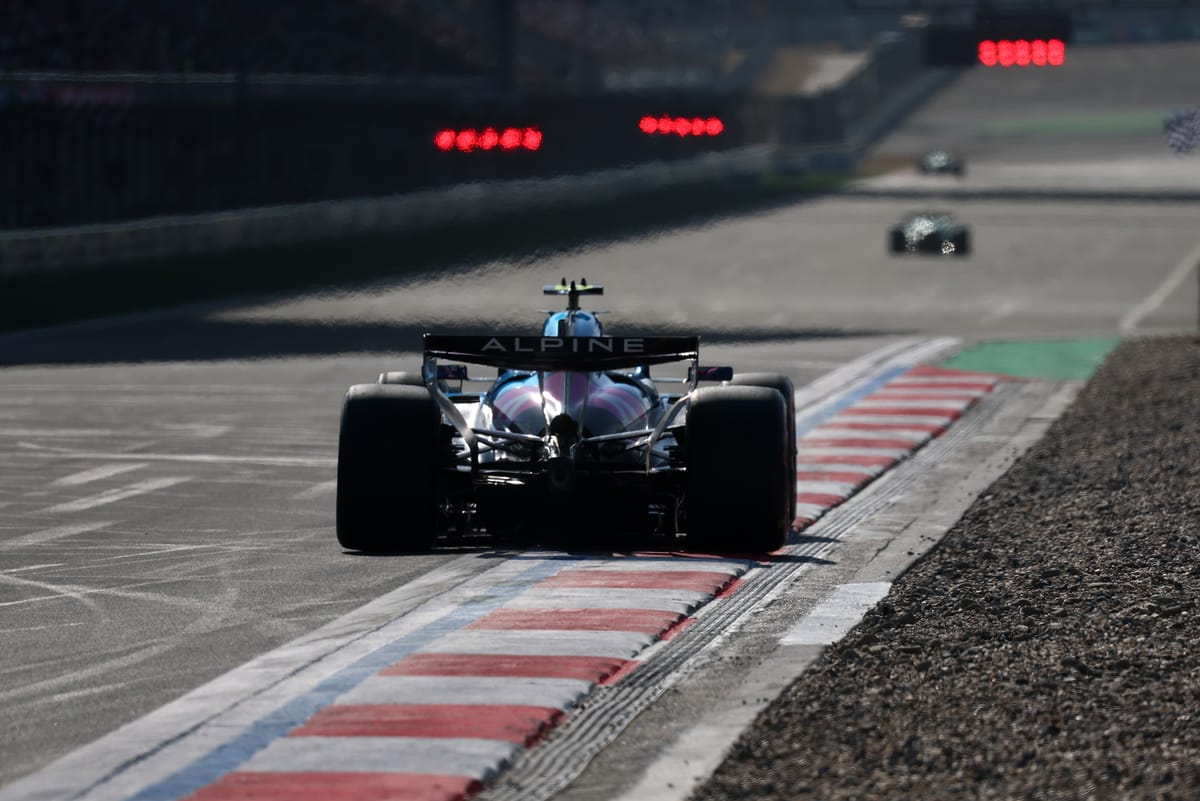
- Backmarker Battles: Aston Martin, while still far behind the midfield, benefited from the Sprint format to gain experience and finish a race. Its immediate focus is reliability and spare parts. Cadillac, after a honeymoon in Australia, faced renewed reliability problems but showed encouraging signs of unlocked pace with Valtteri Bottas.
What's next:
The European season will be the true test of this compressed competitive order. Mercedes will seek to reassert its dominance, while Ferrari and McLaren must prove their China performance was not circuit-specific. All eyes will be on Red Bull to see if it can solve its fundamental car balance issues quickly, or if it risks falling into a protracted midfield battle. For the struggling teams, the relentless development race offers both pressure and opportunity to recover ground.
Original Article :https://www.motorsport.com/f1/news/five-quick-takeaways-from-f1-china-grand-prix...