



China Sprint Hints at 2026 Rules' Potential
The Chinese Grand Prix sprint race offered a compelling preview of how F1's controversial 2026 technical regulations might actually enhance the short-format event, suggesting a potential silver lining for the sport's future. While not a definitive verdict, the action-packed race demonstrated that the new rules' characteristics—particularly the emphasis on energy management and close racing—could align surprisingly well with the sprint's condensed distance, creating more dynamic and contested battles than traditional races sometimes allow.
Why it matters:
The 2026 rules have faced significant criticism for potentially creating processional racing dominated by straight-line speed. The China sprint, however, flipped that narrative by showing how the format's short duration might mitigate the rules' weaknesses and amplify their strengths. If this pattern holds, it could validate the sprint's place on the calendar and provide a more exciting product for fans, even as debates about the grand prix format continue.
The details:
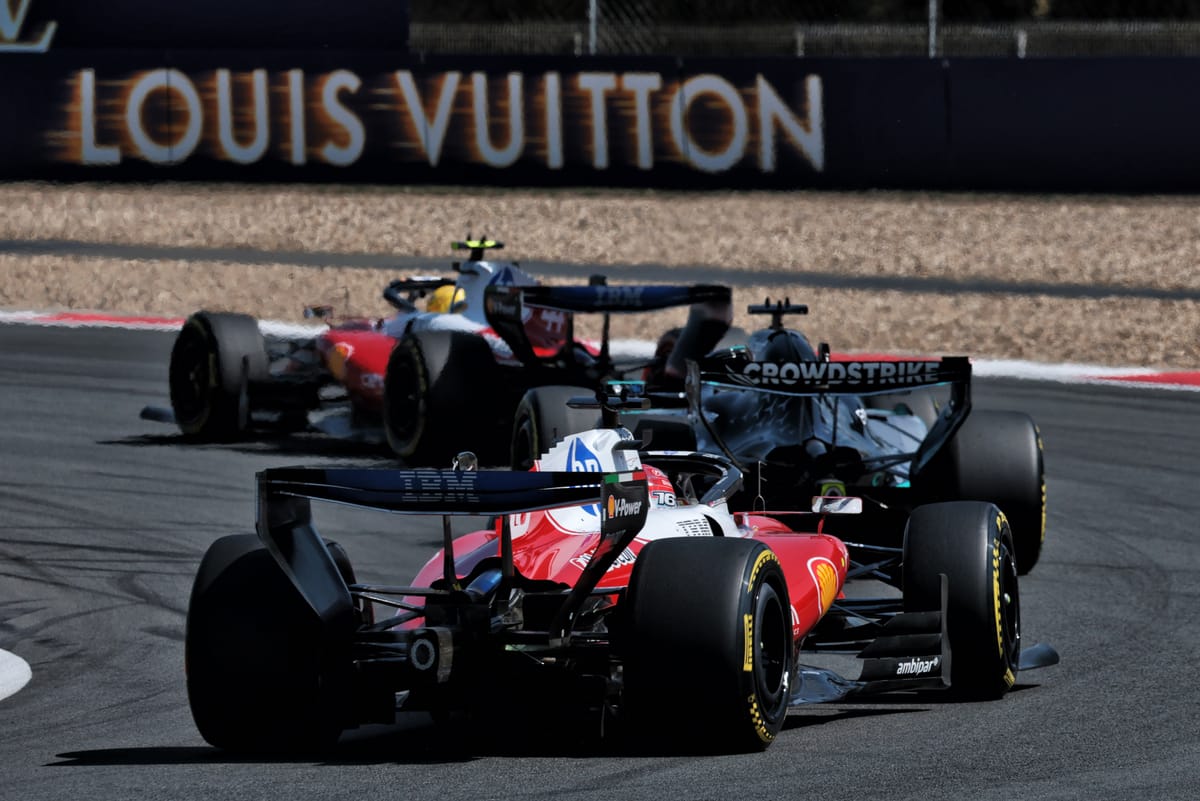
- The race evolved from initial, energy-dependent overtakes on the straights into more substantive wheel-to-wheel battles in the braking zones and corners, a shift that defined the entertainment.
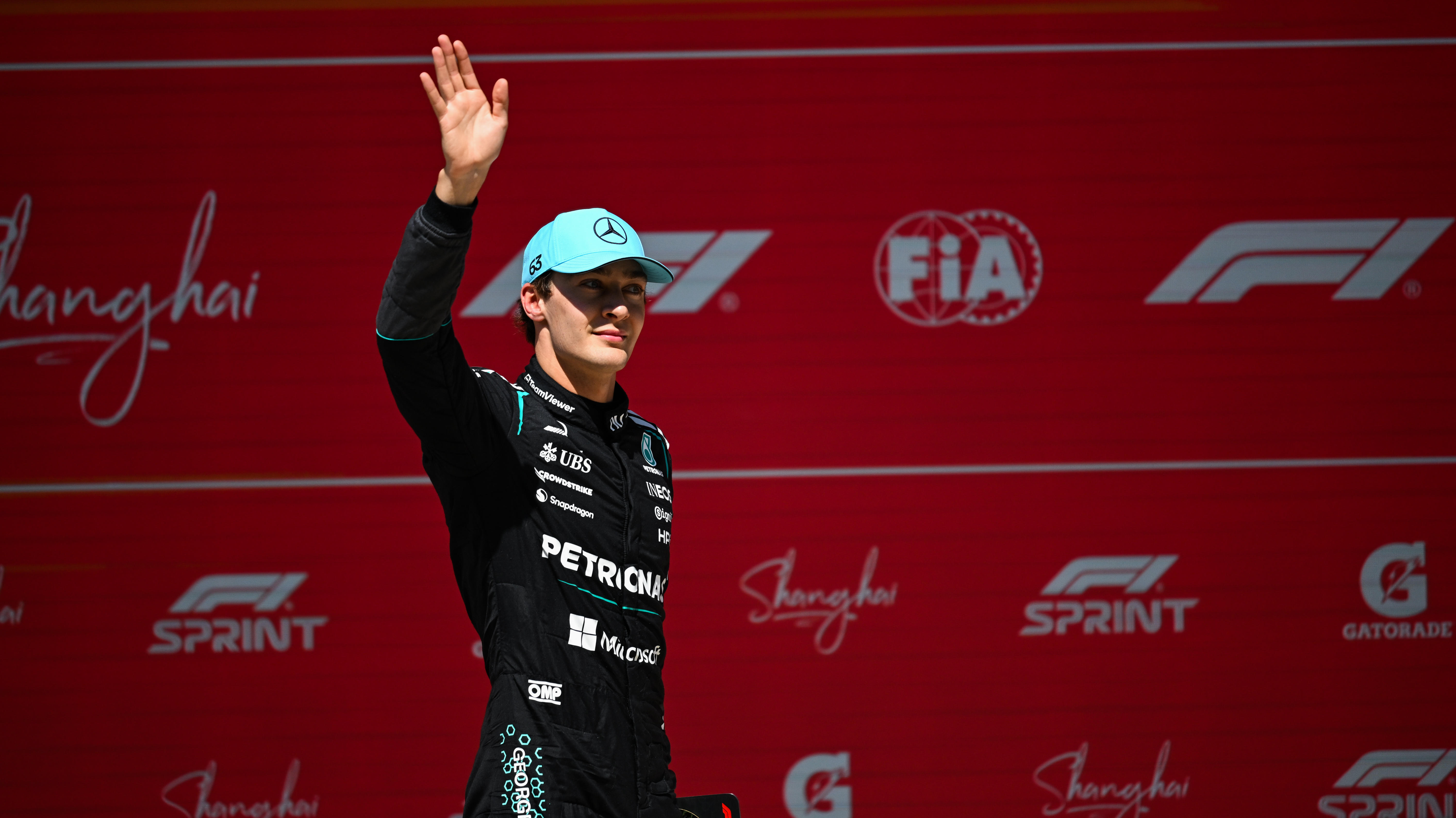
- A Case Study in Defense: Lewis Hamilton's ultimately futile defense against a faster George Russell was highlighted as "fun to watch," emphasizing that a good battle is defined by the contest itself, not just the outcome.
- Mid-Field Action: The entertainment extended throughout the grid, with Kimi Antonelli's pass into the final corner and a multi-car scrap for ninth (viewed from Esteban Ocon's onboard) serving as prime examples of engaged, corner-focused racing.
- Format Synergy: The sprint's short distance naturally prevents the field from stretching out over time—a problem seen in Australia—and makes it harder for the natural performance order to reassert itself after early-race chaos.
- Data Transparency Issue: A key takeaway was the need for constant on-screen battery level displays to help fans contextualize the energy-management battles, a feature hampered by technical issues in China.
What's next:
A single data point is insufficient to judge the entire 2026 project, but the China sprint provides an encouraging glimpse. The rules are unlikely to be wholly rewritten, and sprints are set to become more prevalent.
- The early indication is that the 2026 car characteristics might be uniquely suited to the sprint format, creating a "happy marriage" that delivers consistent, condensed action.
- The challenge for F1 will be ensuring this close racing translates to full-length Grands Prix. If not, the sport may find itself with a compelling Saturday product that accidentally highlights the Sunday format's limitations.
- Full implementation of battery data on the broadcast will be crucial for fan engagement and understanding the strategic layer of the new racing formula.
Original Article :https://www.the-race.com/formula-1/f1-2026-sprint-chinese-gp-best-version/
