



Centimetre Gap: Why Pierre Gasly's Monaco Penalties Were Overturned
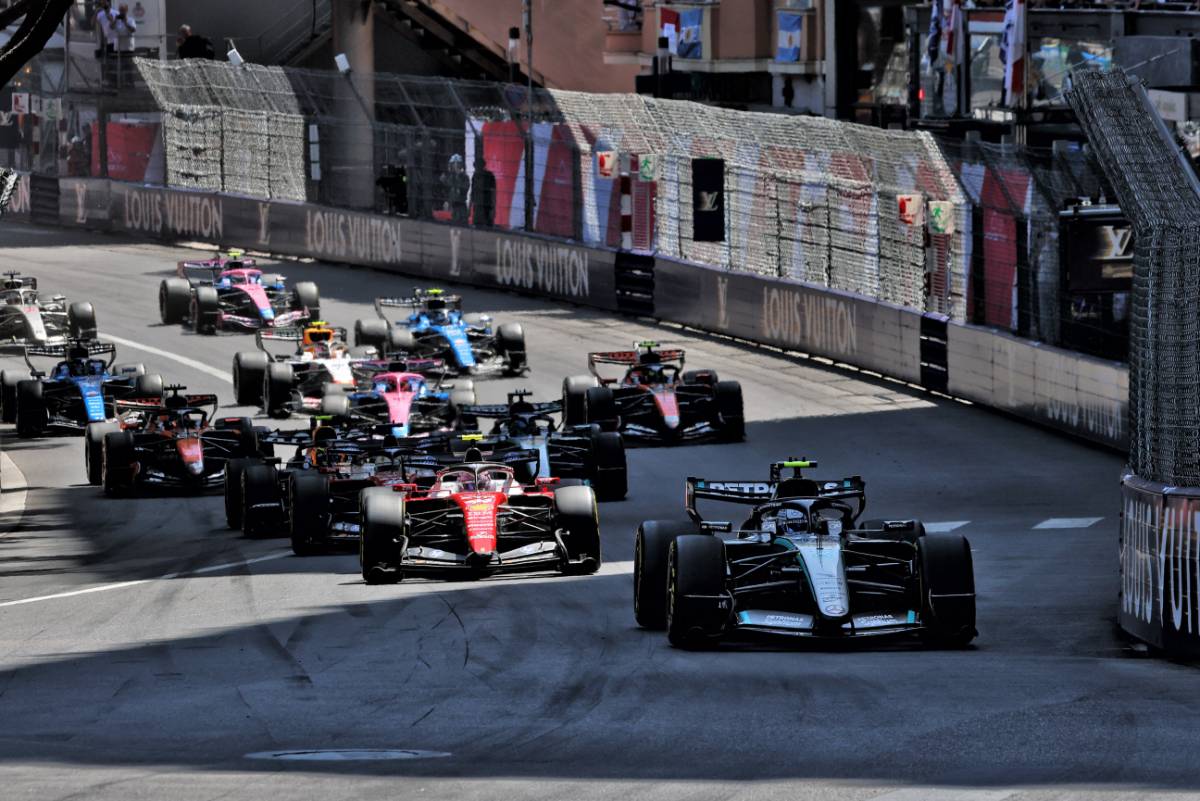
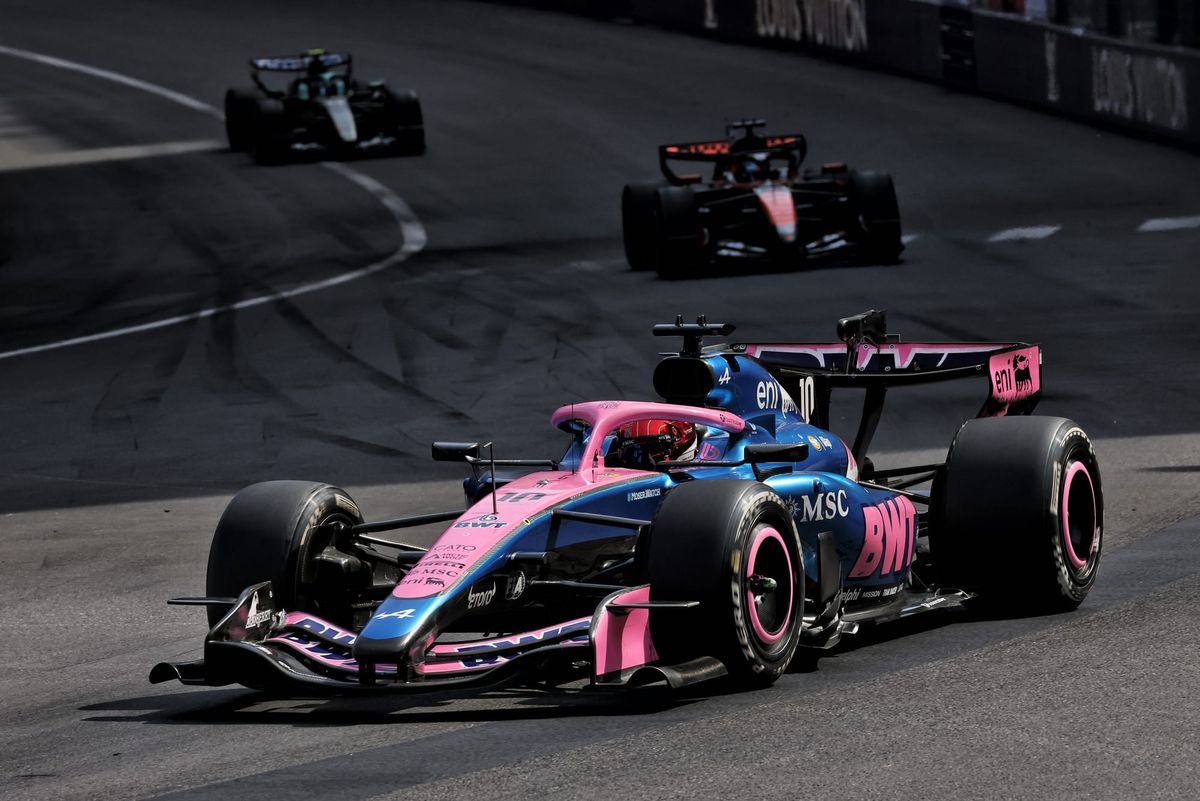
Pierre Gasly has been reinstated to third place at the Monaco Grand Prix after stewards overturned his pitlane speeding and time penalties. The decision, made several days after the race, strips Isack Hadjar of what would have been his first Red Bull podium, highlighting a rare technical failure in the sport's timing infrastructure.
Why it matters:
Precision is the baseline of Formula 1, and a discrepancy of mere centimetres can alter the championship standings. This incident exposes a vulnerability in how pitlane speeds are calculated and sets a complex precedent for how the FIA handles 'false positive' penalties when the official timekeeping system is flawed.
The Details:
- The Measurement Error: The official timekeeper recorded the first timing zone at 2,692 cm. However, post-race scanning revealed the actual shortest path was only 2,615 cm—a 77cm difference.
- The Math: Because speed is calculated as distance divided by time, the inflated distance measurement artificially increased the calculated speed.
- The Correction: Using the corrected distance, stewards determined Gasly's actual speeds were 58.7 km/h and 58.8 km/h, both comfortably below the 60 km/h limit.
- The Hardware: The discrepancy was likely caused by repositioned pit entry barriers since 2025, rendering previous measurements obsolete for the 2026 layout.
The Big Picture:
The ruling relied on the legal standard of "comfortable satisfaction," meaning the stewards had a strong conviction Gasly didn't speed, even without 100% absolute proof. However, this creates a sporting imbalance; other drivers like Lewis Hamilton and Oscar Piastri were penalised for the same 60.1 km/h reading but cannot have their penalties removed because they were served during the race.
What's next:
While Gasly keeps his podium, the fallout is far from over. McLaren and Red Bull have indicated they may appeal the decision, as the reinstatement of Gasly negatively impacts their own drivers' results. The FIA is now tasked with refining its pitlane scanning procedures to ensure such a measurement failure does not recur in future events.
Original Article :https://www.the-race.com/formula-1/the-missing-centimetres-that-forced-f1s-stunn...
