



Carlos Sainz Joins Critics, Calls for Rethink on F1's 2026 Rules
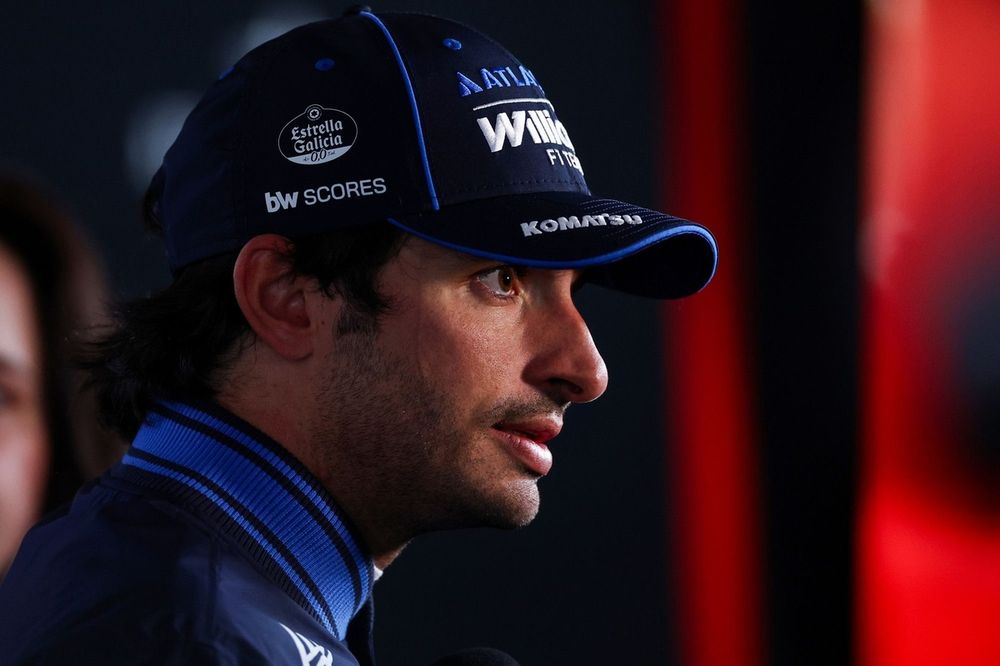
Carlos Sainz has become the latest high-profile driver to criticize Formula 1's 2026 technical regulations, bluntly stating the current formula is "not the best" and "very far" from his ideal vision of the sport. The Williams driver's comments add to growing paddock discontent over the new cars, which require significant lift-and-coast driving to manage complex energy systems, with some circuits like Melbourne and Monza presenting particular challenges.
Why it matters:
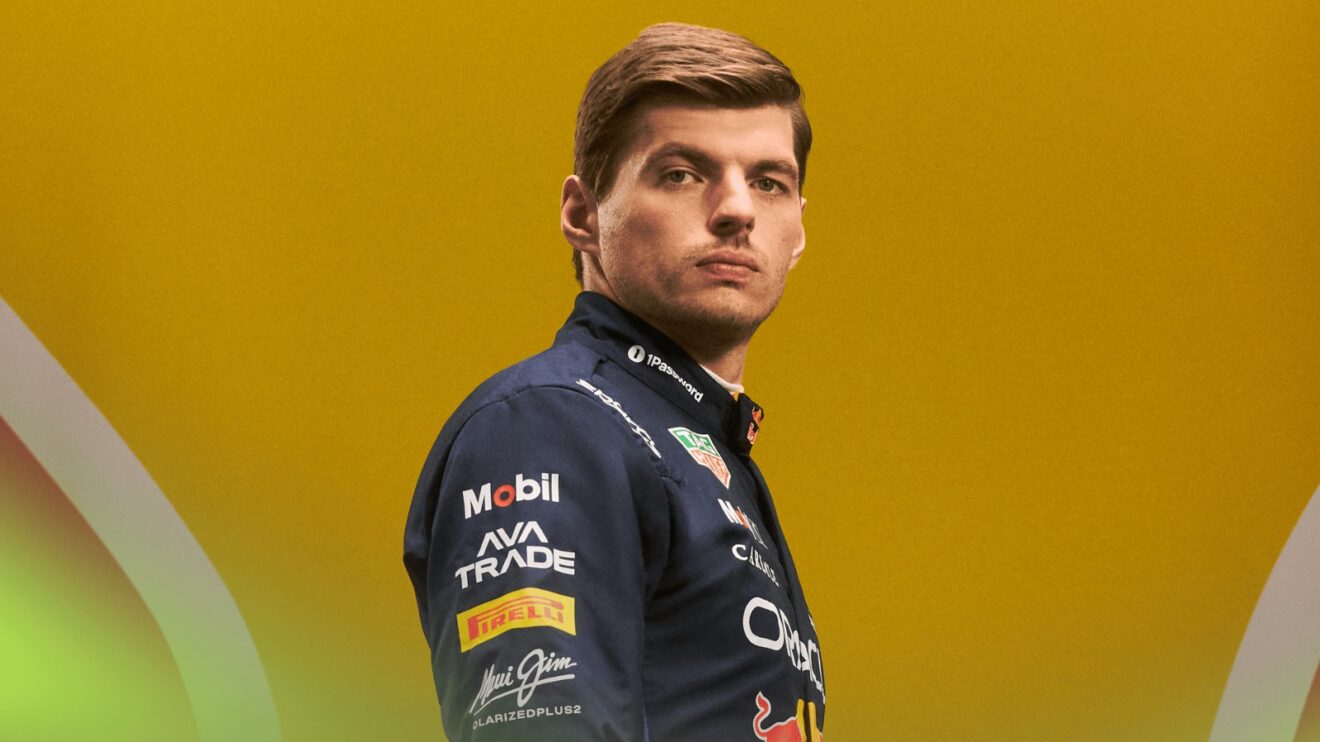
Driver pushback against the new regulations threatens to undermine the spectacle and core identity of Formula 1. When stars like Sainz and Max Verstappen publicly label the racing as artificial or not representative of "real F1," it places immense pressure on the FIA and F1 management to consider mid-cycle adjustments. The credibility of the sport's biggest technical shift in a generation is now under open scrutiny from its most important participants.
The details:
- Sainz's critique centers on the 2026 power units, which mandate a near 50/50 split between internal combustion and electrical energy, forcing drivers to adapt their style drastically to harvest and deploy energy over a lap.
- He noted a stark difference between circuits, finding the cars more manageable on an "energy-rich" track like Shanghai but predicting major issues at power-hungry venues like Melbourne, Monza, and Spa-Francorchamps.
- The Spaniard expressed confidence that F1's leadership is aware of the problems, referencing the sport's efforts to "sell" the product through enhanced graphics and presentation as an implicit acknowledgment that the on-track product needs work.
- His criticism aligns with Verstappen's earlier description of the cars as "Formula E on steroids," highlighting a shared concern that the sport is becoming overly managed and artificial.
What's next:
Immediate, sweeping changes are unlikely, with the FIA and teams advocating for a measured evaluation period. Haas Team Principal Ayao Komatsu suggested F1 needs "about five races" to form a balanced opinion before reacting, warning against a "knee-jerk reaction." The focus now shifts to the upcoming Japanese Grand Prix and the postponed races, as the sport gathers more data. However, Sainz's call for a "rethink" signals that driver pressure for tweaks—potentially to energy allowances, start procedures, or harvesting rules—will only intensify if the racing spectacle does not improve.
Original Article :https://www.motorsport.com/f1/news/we-know-its-not-right-why-carlos-sainz-still-...