



Carlos Sainz Adapts to New 2026 Qualifying After Breaking Q2 in Japan
Summary
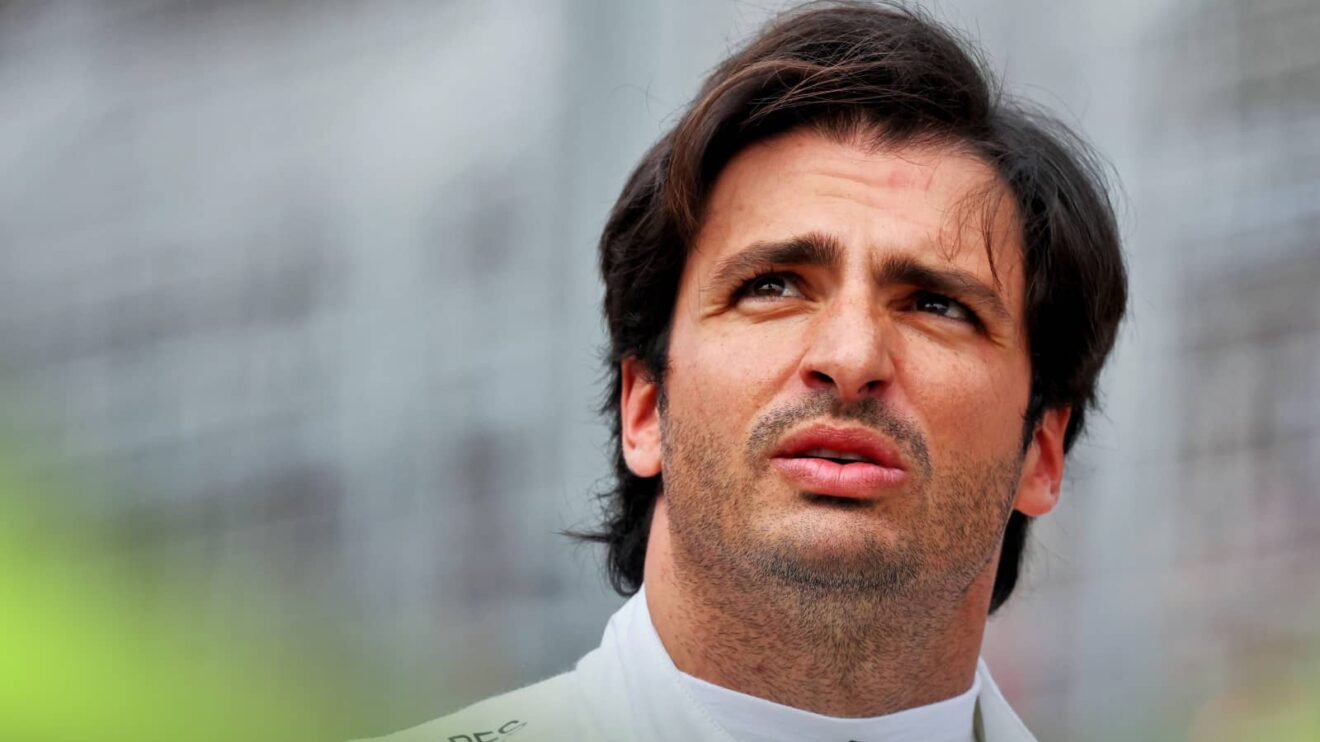
Williams driver Carlos Sainz broke into Q2 at the Japanese Grand Prix, showing he’s adapting to the 2026 qualifying overhaul that forces drivers to balance power and curb flat‑out instincts.
Williams driver Carlos Sainz broke into Q2 at the Japanese Grand Prix, showing he’s adapting to the 2026 qualifying overhaul that forces drivers to balance power and curb flat‑out instincts. With power‑unit output now split 50 % combustion, 50 % electric and the MGU‑H removed, drivers must manage speed and battery use together. Sainz says he’s 90‑95 % up to speed, but the new discipline fights his natural instinct to push flat‑out.
Why it matters:
- Energy‑centric qualifying rewards strategic pacing over sheer speed, reshaping grid battles.
- Drivers who rely on flat‑out laps, like Leclerc and Verstappen, risk losing pole advantage under battery limits.
The details:
- Power units now deliver 50 % combustion, 50 % electric; the MGU‑H is gone.
- Energy‑recovery systems harvest roughly double the kinetic energy per lap versus 2025.
- Qualifying now uses lift‑and‑coast and super‑clipping to preserve battery charge.
- Sainz’s 2024 season: no Q2 in Australia (battery issue), 17th in China, then P16 and Q2 in Japan.
What's next:
- Williams will fine‑tune its energy‑management software for the upcoming Qatar race.
- All teams are tweaking launch maps and battery strategies, making qualifying a tighter, more strategic contest.
Original Article :https://www.planetf1.com/news/carlos-sainz-qualifying-breakthrough-f1-2026-rules