






Cadillac clears major F1 homologation hurdle ahead of 2026 debut
Cadillac has passed a crucial set of mandatory FIA safety and structural tests for its first Formula 1 car, clearing a major milestone on the path to its track debut in January. This achievement allows the new team to proceed with its planned shakedown and private testing schedule, a vital step for a squad lacking the established infrastructure and correlation data of its rivals.
Why it matters:
For a brand-new F1 operation, passing these stringent homologation tests on the first attempt is a significant validation of its design and engineering processes. A failure would have triggered costly redesigns, compromised the car's architecture, and eaten into precious preparation time for the 2026 season. Given Cadillac's late official entry approval, this success keeps its ambitious project on a critical path.
The details:
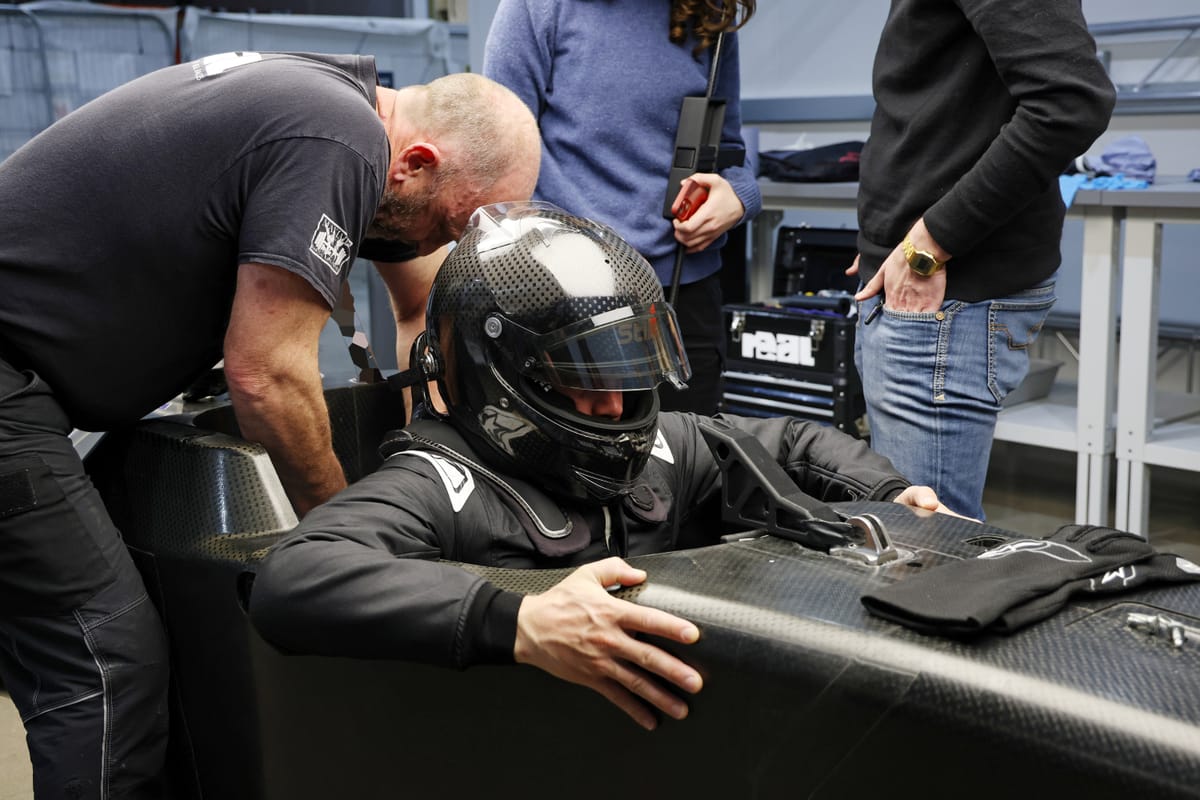
- Team principal Graeme Lowdon confirmed Cadillac passed tests for the car's monocoque and entire rear end in early December.
- The FIA's technical regulations mandate over 20 separate areas of homologation, including extreme impact tests.
- The survival cell must withstand a frontal impact of at least 52G.
- The gearbox and rear structure must survive a dynamic test where an 875kg object is projected into it at over 11 meters per second.
- Lowdon highlighted the increased challenge, noting that with the 2026 cars targeting a significantly lower mass, passing these tests becomes more stringent.
- The success is particularly notable as Cadillac lacks the "years and years" of institutional experience in designing these specific components that established teams possess.
The big picture:
Cadillac's strategy is firmly centered on delivery and track time over outright initial performance. The team has prioritized getting a car built and running reliably, accepting compromises to ensure it can start learning from real-world data as soon as possible.
- The project involves designing, manufacturing, or sourcing approximately 85,000 components for the season opener in Australia.
- Unlike existing teams, Cadillac has no historical correlation data between its wind tunnel/CFD simulations and an actual track-running car, making early testing invaluable.
- The team's only prior track running was a two-day session at Imola using a borrowed 2023 Ferrari, underscoring the importance of its own car hitting the asphalt.
What's next:
With homologation cleared, the focus shifts to a January shakedown followed by a private collective test in Spain. Lowdon views this early running as "super valuable" for a new team, despite the logistical challenge.
- Performance is a secondary concern initially; the primary goal is banking reliable mileage and establishing correlation.
- The car is expected to be "immature" at the Barcelona test but will evolve rapidly through extensive 2026 testing opportunities.
- Cadillac plans to bring upgrades to the official pre-season tests in Bahrain in February and throughout the year, contingent on its production capacity keeping pace.
- Every day of track running accelerates the team's learning curve, a crucial factor as it builds its factories and processes from the ground up.
Original Article :https://www.the-race.com/formula-1/cadillac-already-achieved-its-first-big-f1-mi...
