




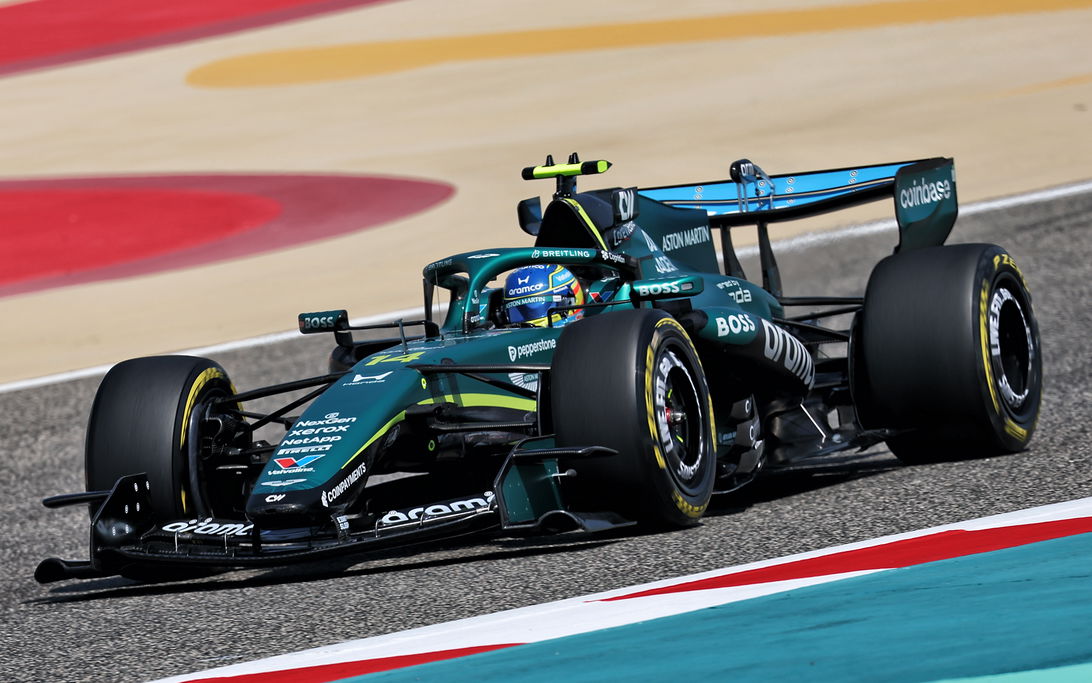

Brundle: Senna, Schumacher would have thrived in 2026 F1 cars
Former F1 driver and analyst Martin Brundle believes legends like Ayrton Senna and Michael Schumacher would have relished the strategic challenge posed by Formula 1's upcoming 2026 cars, arguing that the core skill of managing a car's limitations remains unchanged despite evolving technology.
Why it matters:
Brundle's perspective bridges F1's past and future, suggesting that the essence of a champion's adaptability is timeless. As the sport heads towards a new era with a 50:50 power split between combustion and electric energy, his view contextualizes the coming changes not as a radical break, but as the latest evolution of a driver's eternal battle with machinery.
The details:
- The 2026 regulations will introduce cars with a near-equal split between internal combustion engine and electrical power, placing a premium on precise energy management and deployment strategy.
- Brundle contends that while the specific component needing protection has shifted from mechanical parts to the battery, the fundamental challenge for drivers is familiar.
- He draws a direct line from past eras, citing how drivers have always managed fragile components—from dog rings and universal joints in older cars to fuel conservation in the '80s turbo era.
- Personal Experience: Brundle recalled losing a podium finish in Adelaide by running out of fuel on the final lap, a stark lesson in resource management.
- The modern parallel, he says, is managing the electrical energy in the hybrid power unit and tire wear, with today's mechanically robust cars shifting the conservation focus to the battery.
What's next:
The 2026 season will put Brundle's theory to the test, as a new generation of drivers grapples with the refined art of energy management. His insight implies that future champions will still be those who best understand and manipulate their car's complex systems, a skill that would have translated perfectly across generations from Senna and Schumacher to today's grid.
Original Article :https://www.motorsport.com/f1/news/martin-brundle-explains-why-ayrton-senna-and-...