




Betting Pitfalls to Avoid at the 2026 Azerbaijan Grand Prix
The Baku City Circuit is notorious for delivering chaos, and the 2026 season has only amplified this volatility. With the new power unit regulations introducing varying levels of stability across the grid, predicting a winner in Azerbaijan has become less about analyzing lap times and more about managing risk.
Why it matters:
In the 2026 technical era, the gap between theoretical pace and race-day reliability is wider than ever. A car that dominates FP3 can easily end up in the wall or suffer a power unit failure in the heat of Baku. For those looking at the odds, the historic unpredictability of this track combined with the current fragility of the new engine regs makes traditional favorites a risky bet.
The Details:
- The Trap of Qualifying Pace: One of the most common mistakes is betting on the pole-sitter. Baku often sees a disconnect between Saturday's speed and Sunday's result due to first-lap incidents and strategic blunders.
- Overlooking PU Reliability: The 2026 power units are still experiencing significant 'teething' issues. Betting on a team that has shown a pattern of overheating or electrical failures is a gamble, as Baku's stop-start nature puts immense stress on the cooling systems.
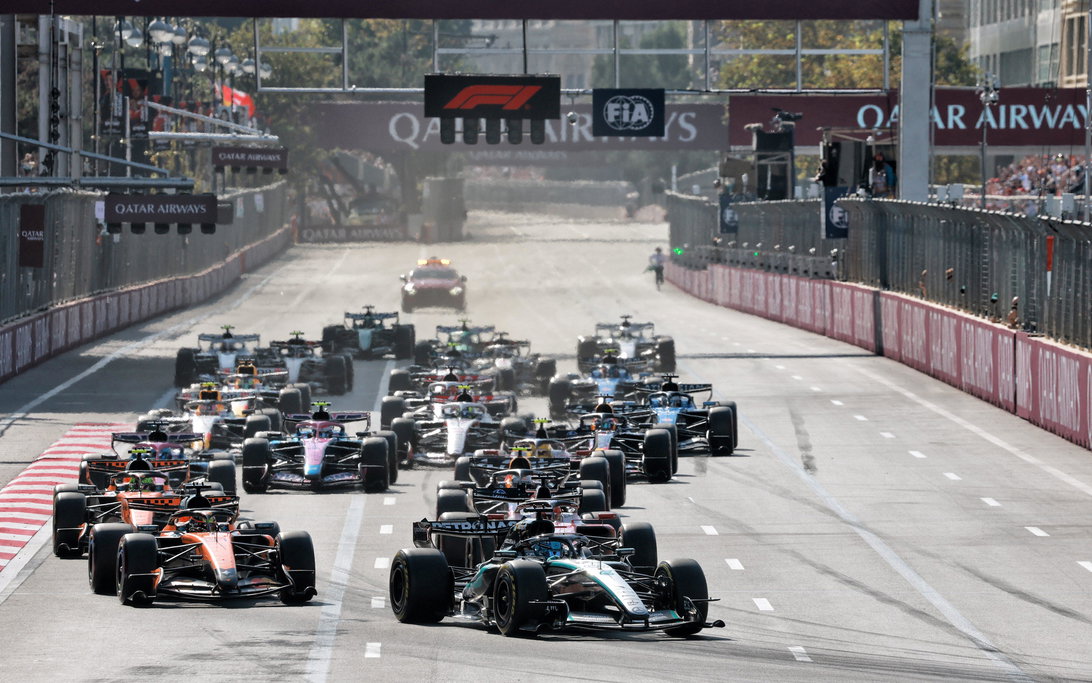
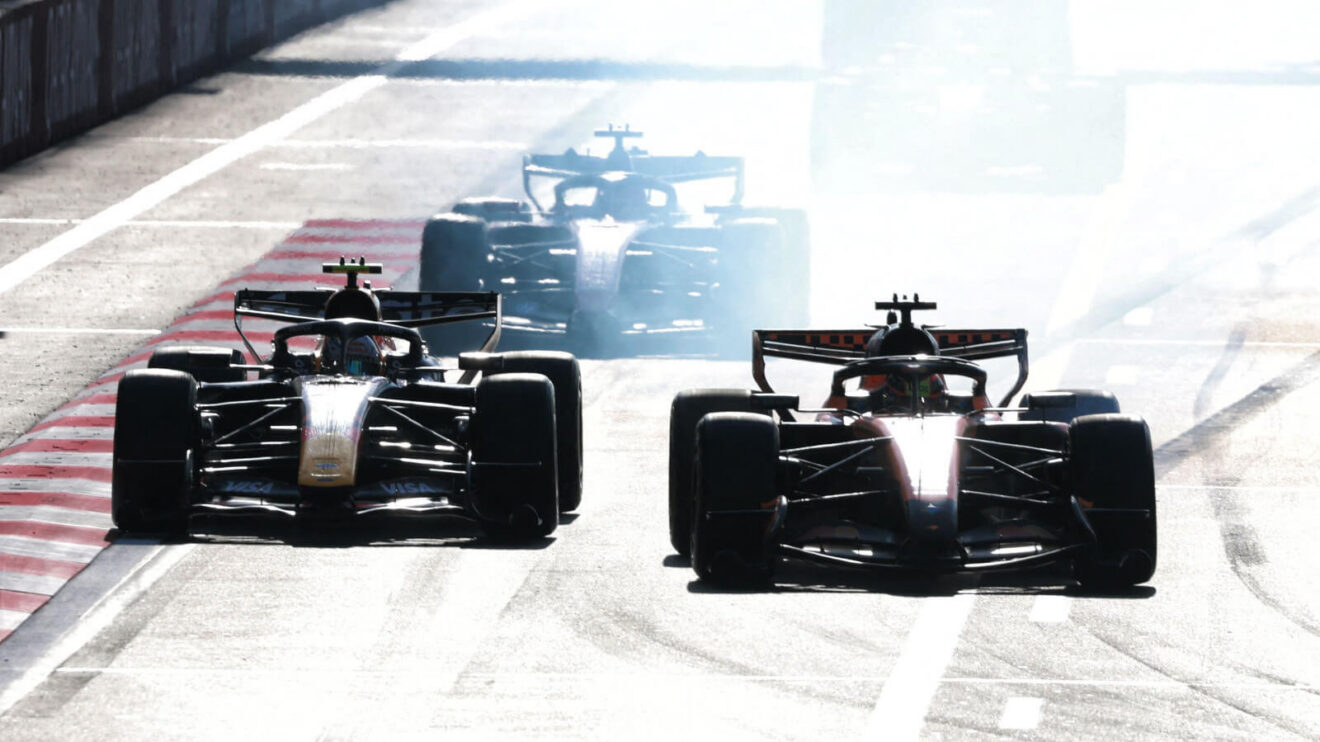
- Ignoring the Safety Car Factor: The probability of a red flag or Safety Car in Azerbaijan is nearly 100%. Smart betting accounts for neutralized laps and the high likelihood of a chaotic restart, which often favors drivers with strong racecraft over those with raw speed.
- Underestimating Mid-Field Volatility: With the 2026 aero-regulations narrowing the field, mid-field drivers can often snag a top-five finish if the front-runners collide.
The Big Picture:
As we move through the September fly-away races, the 2026 season has evolved into a battle of efficiency and endurance. While raw speed is impressive, the current competitive landscape rewards consistency. In Baku, the 'safest' bets are often podium placements rather than specific winner predictions, given the high attrition rate we've seen throughout the year.
What's next:
Keep a close eye on the practice sessions, specifically the braking stability into Turn 1. The drivers who can handle the heavy braking zones without overheating their 2026-spec brakes will be the ones to watch when the lights go out on Sunday.
Original Article :https://www.formula1.com/en/latest/article/betting-mistakes-to-avoid-when-watchi...