








Australian GP qualifying exposes 'super clipping' phenomenon in new F1 era
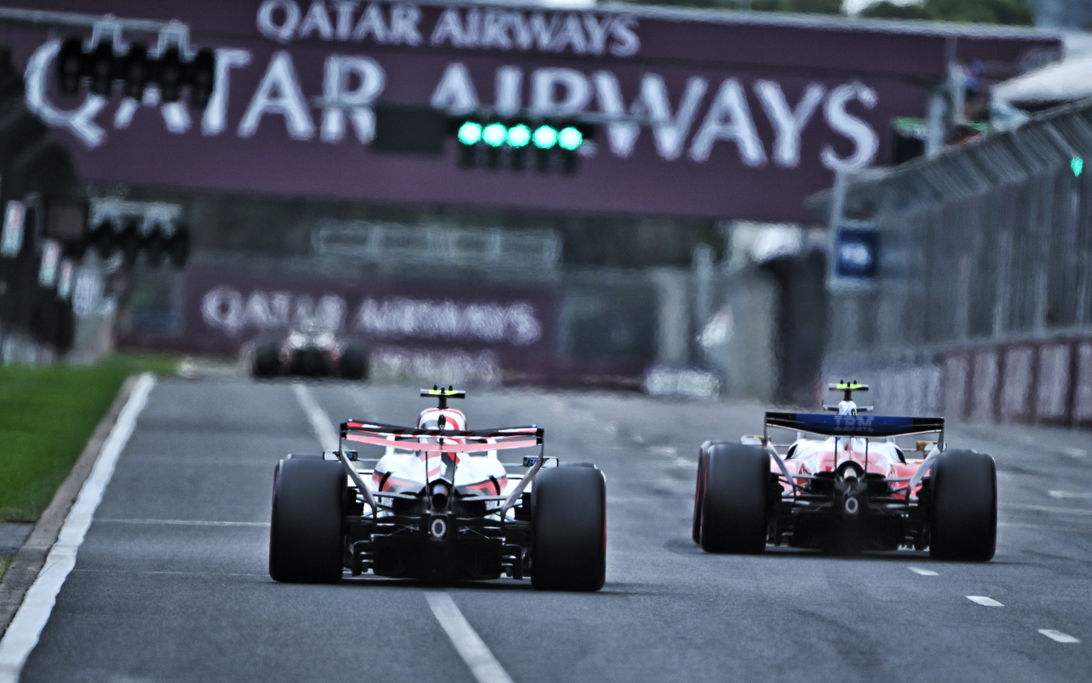
Formula 1's new regulations, which place greater emphasis on electrical energy, were brutally exposed during Australian Grand Prix qualifying by the extreme practice of 'super clipping.' Drivers were forced to lift off the throttle significantly on straights to recharge their batteries, sacrificing straight-line speed in a counterintuitive approach to setting a fast lap.
Why it matters:
The phenomenon marks a fundamental shift in how drivers and teams must approach a qualifying lap, prioritizing complex energy management over flat-out attack. This could redefine driving styles and team strategies, making track time for learning these new rhythms more critical than ever before a competitive session.
The details:
- The New Reality: With the removal of the MGU-H, recharging the battery has become a critical limiting factor. Teams must meticulously manage every bit of energy to piece together a competitive lap.
- What is Super Clipping? It occurs when the battery begins recharging while the car is still at full throttle at the end of a straight. The power unit harvests energy instead of delivering full power, causing a noticeable drop in acceleration and top speed.
- Visible Impact: Onboard footage in Melbourne, especially on the approach to Turn 9, showed cars losing over 50 km/h in speed as they harvested energy for use later in the lap.
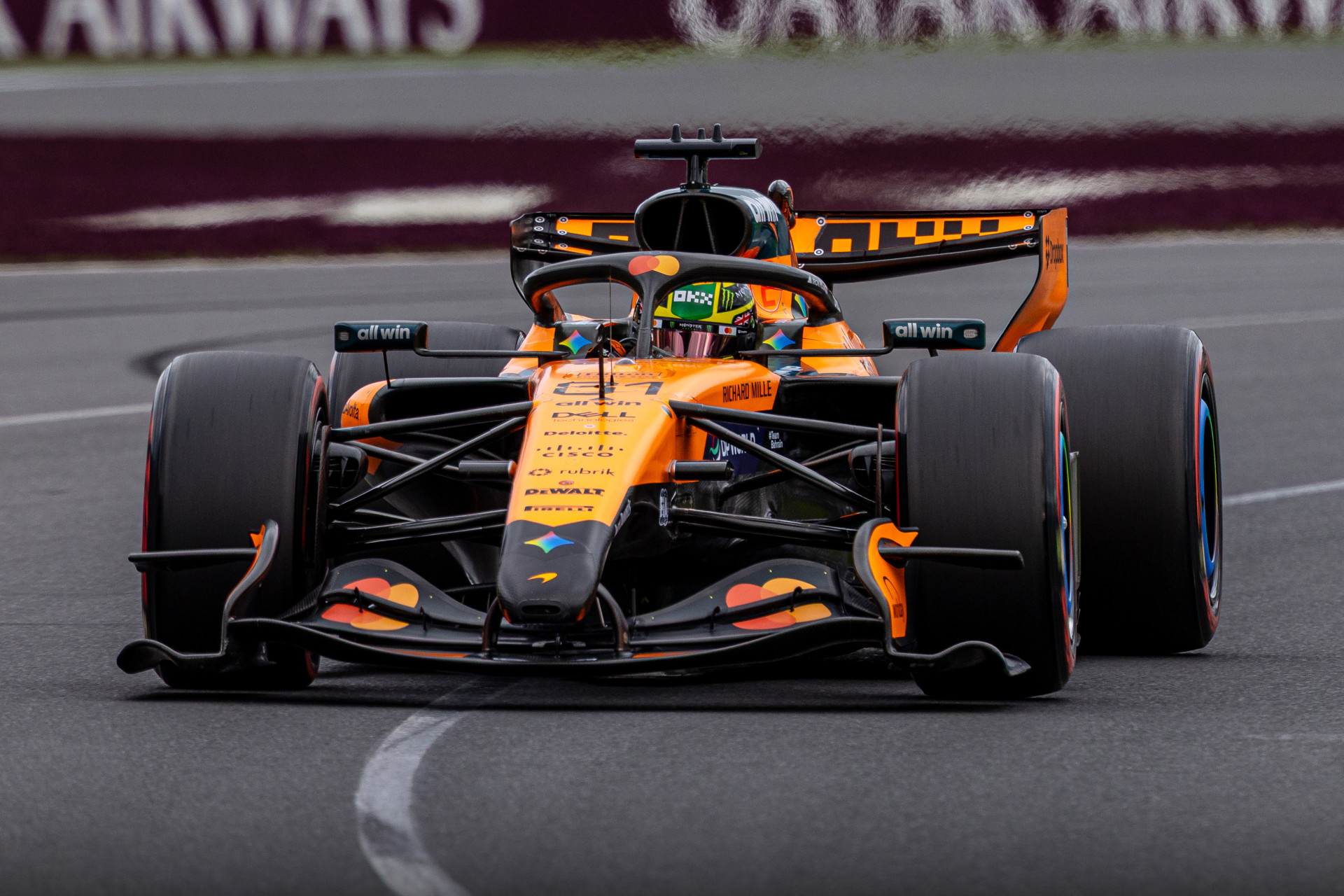
- Driver Feedback: McLaren's Lando Norris described the experience as "unusual," stating that a fast lap now requires a specific rhythm of early lifting, different gear management, and careful braking judgment, all centered around energy.
What's next:
The issue seen in Melbourne is just a precursor. The effect of super clipping and extreme energy harvesting is predicted to be even more pronounced at circuits with longer straights and fewer heavy braking zones, such as Spa-Francorchamps, Monza, and Las Vegas. Teams and drivers will be in a continuous learning phase throughout the season to adapt to this new, efficiency-dominated paradigm.
Original Article :https://www.gpblog.com/en/general/the-alarming-side-effect-of-f1s-new-regulation...