



Australian GP exposes fundamental flaw in 2026 F1 car concept
The Australian Grand Prix weekend has laid bare a critical and jarring weakness in Formula 1's 2026-spec cars: energy management systems are forcing drivers to deliberately slow down through high-speed corners, stripping away a key element of skill and spectacle from qualifying. Driver complaints and on-track evidence confirm that the pursuit of electrical energy for the straights is neutering the challenge of the circuit's most thrilling sections.
Why it matters:
This issue strikes at the heart of F1's identity as the pinnacle of motorsport. If the fastest way to drive the car involves intentionally not driving it at the limit through challenging corners, it compromises the pure driver-versus-track battle that defines qualifying. The spectacle for fans is diminished, and the drivers themselves are openly dissatisfied, suggesting the 2026 regulations may have created an unintended and fundamental flaw in the racing product.
The details:
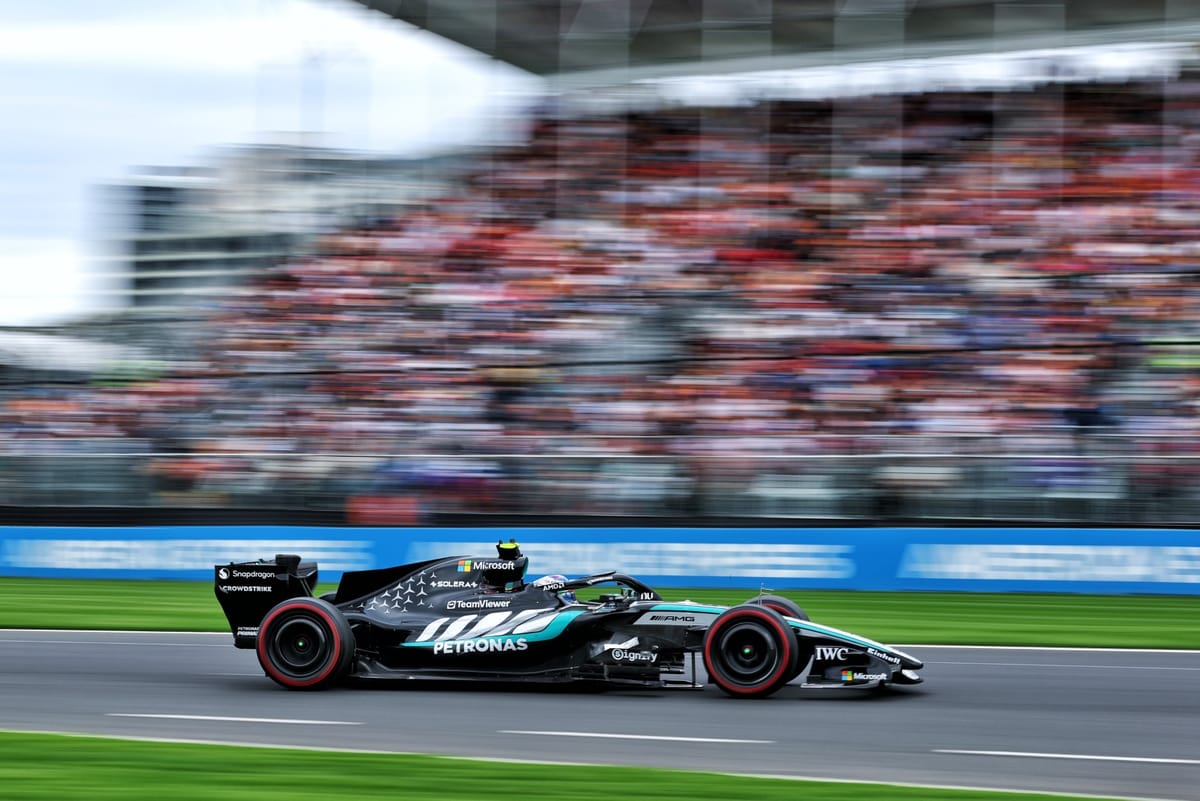
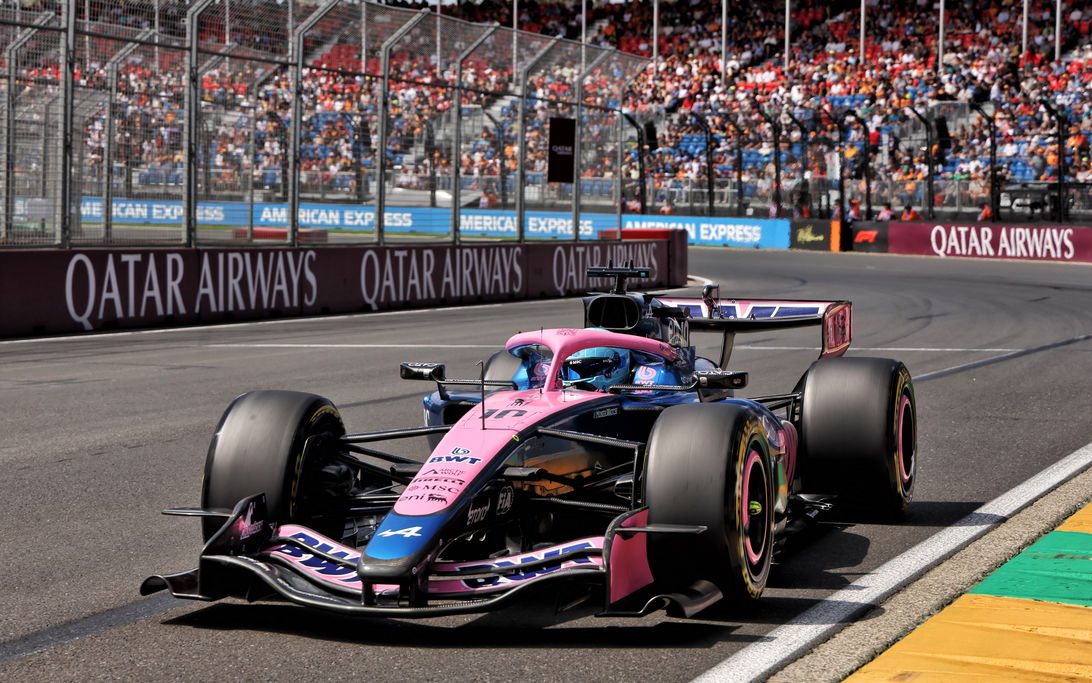
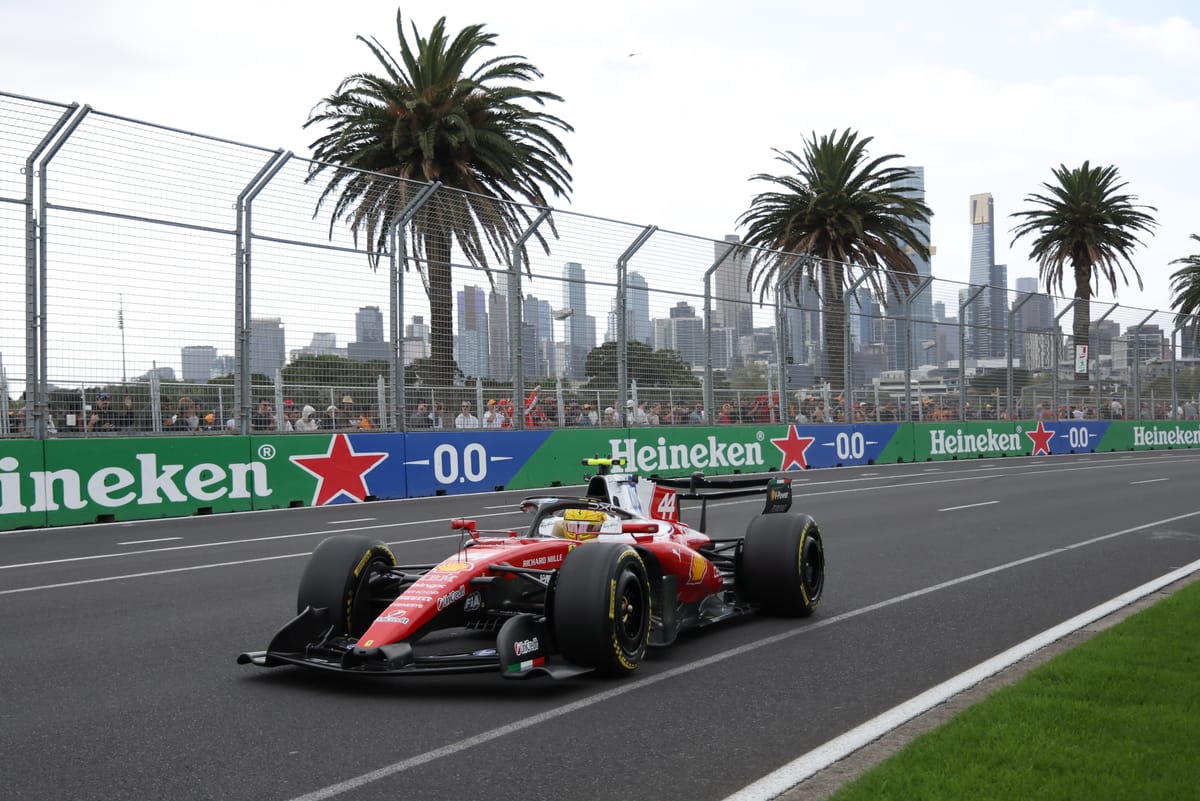
- The problem is most acute at Albert Park's high-speed Turn 9 complex. Cars are slowing by over 50 km/h on the approach while still at full throttle, as the power unit acts primarily as a generator to harvest energy.
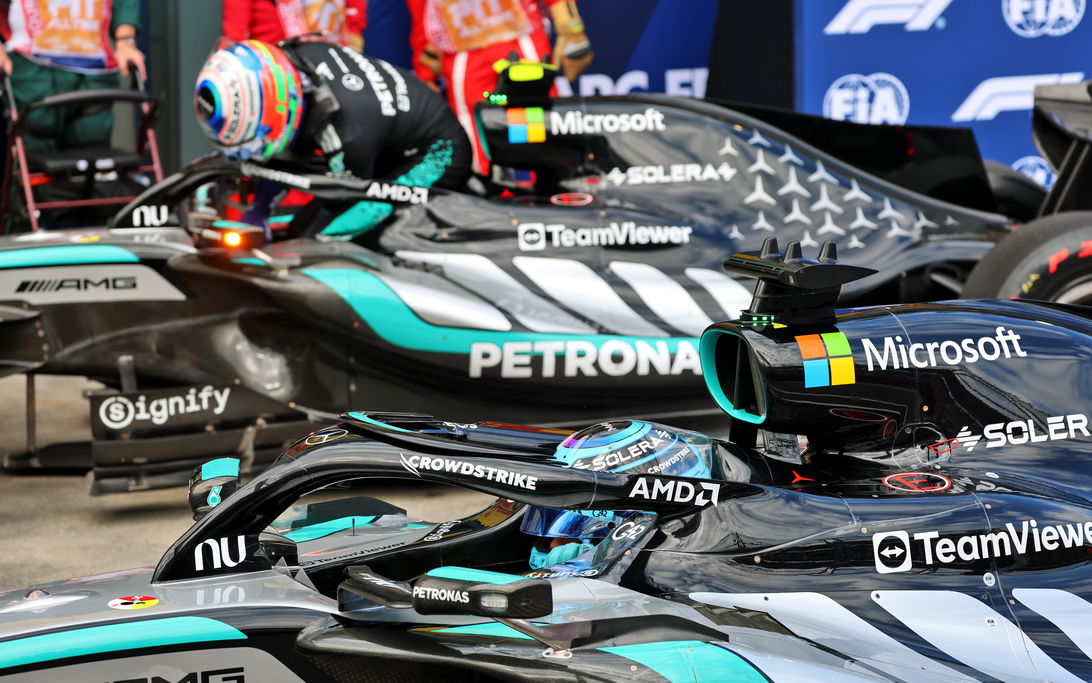
- A Stark Comparison: Data shows George Russell's 2026 pole lap was approximately 30 km/h slower than Lando Norris's 2025 lap at the Turn 9 entry, despite similar top speeds on the preceding straight. The speed loss is a controlled ramp-down, not a traditional braking maneuver.
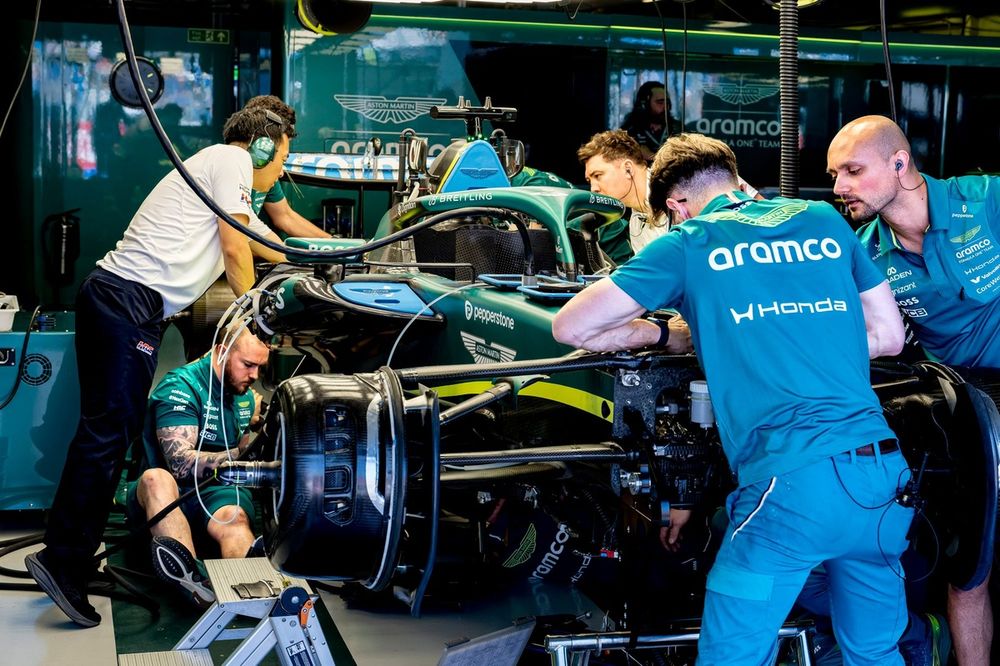
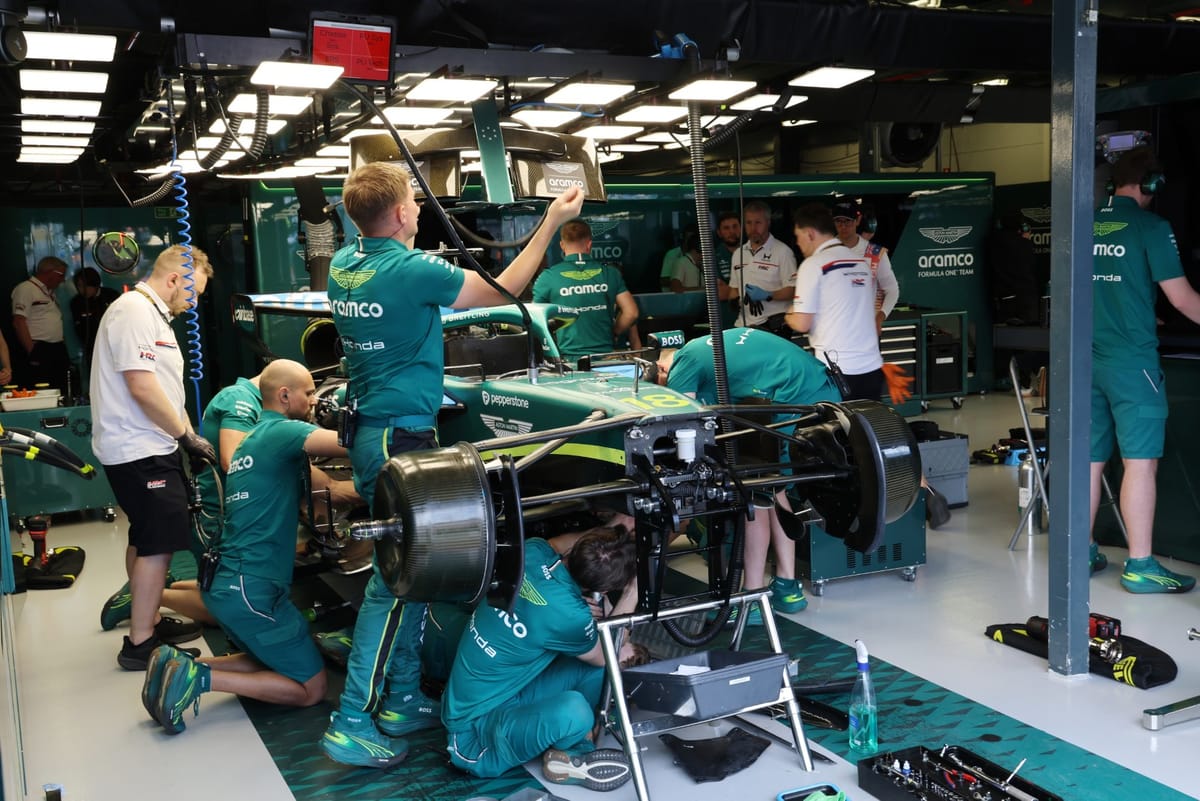
- Driver Frustration: Leading drivers have been scathing in their criticism, with Fernando Alonso quipping that Aston Martin's hospitality chef could drive through Turn 12. The sentiment reflects a widespread feeling that the cars are being under-driven in corners to optimize energy deployment elsewhere.
- A Mercedes Advantage: The issue is exacerbated for non-Mercedes teams. Russell's Mercedes showed stronger energy deployment, leaving rivals like Isack Hadjar's Red Bull nearly 10 km/h slower on some straights, amplifying their frustration with the cornering compromise.
What's next:
While Melbourne may represent an extreme case due to its layout, the problem won't disappear overnight. The early-season calendar, with likely energy-intensive tracks like Saudi Arabia and Japan, means negative first impressions could solidify quickly.
- The focus now shifts to whether the racing on Sunday can salvage the weekend's spectacle, making Saturday's compromised qualifying more palatable.
- Tracks like China or a return to Bahrain may present the cars in a better light, but the core issue remains a regulatory challenge.
- Any knee-jerk rule change would be risky, but the criticism highlights a need for potential adjustments to better balance energy recovery with the core challenge of driving at the limit. The 2026 cars do have upsides—immense power and agility when not energy-limited—but the Australian GP has undeniably exposed a significant downside that the sport must address.
Original Article :https://www.the-race.com/formula-1/australias-a-damning-indictment-of-f1-2026s-w...