



Australian GP delivers chaotic start to F1's 2026 era, but doubts remain
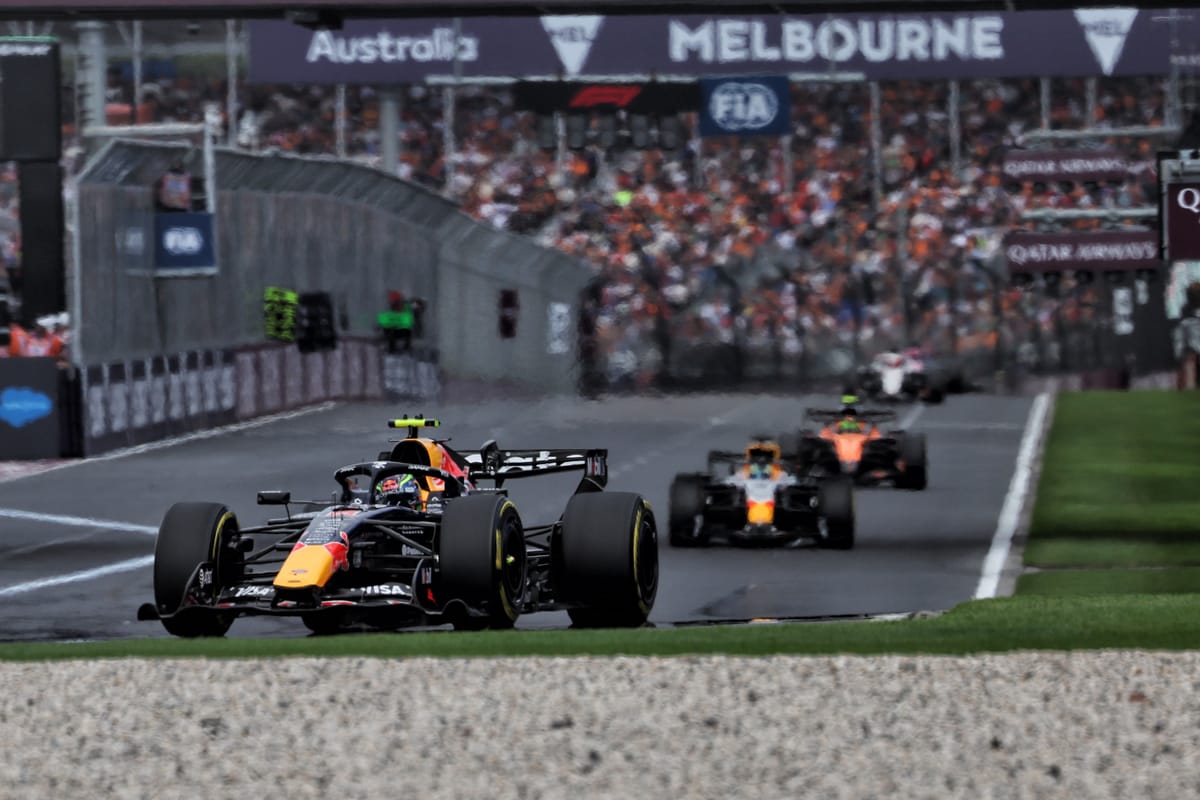
The 2026 Formula 1 season opened with a frantic and unpredictable Australian Grand Prix, featuring multiple early lead changes and a tense battle for victory. While the action provided a thrilling spectacle and temporarily eased pre-season skepticism, experts caution that the chaotic racing may be a temporary product of teams' early unfamiliarity with the new energy management-focused regulations.
Why it matters:
The debut race was a crucial first test for F1's radical new technical era, which had faced significant criticism during pre-season testing. A processional race would have validated the doubters, but the exciting start offers a reprieve and initial evidence that the rules can produce engaging on-track battles. However, the core concern remains that as teams optimize their strategies, this novelty could fade, mirroring the pattern seen at the start of the last major regulation cycle in 2022.
The details:
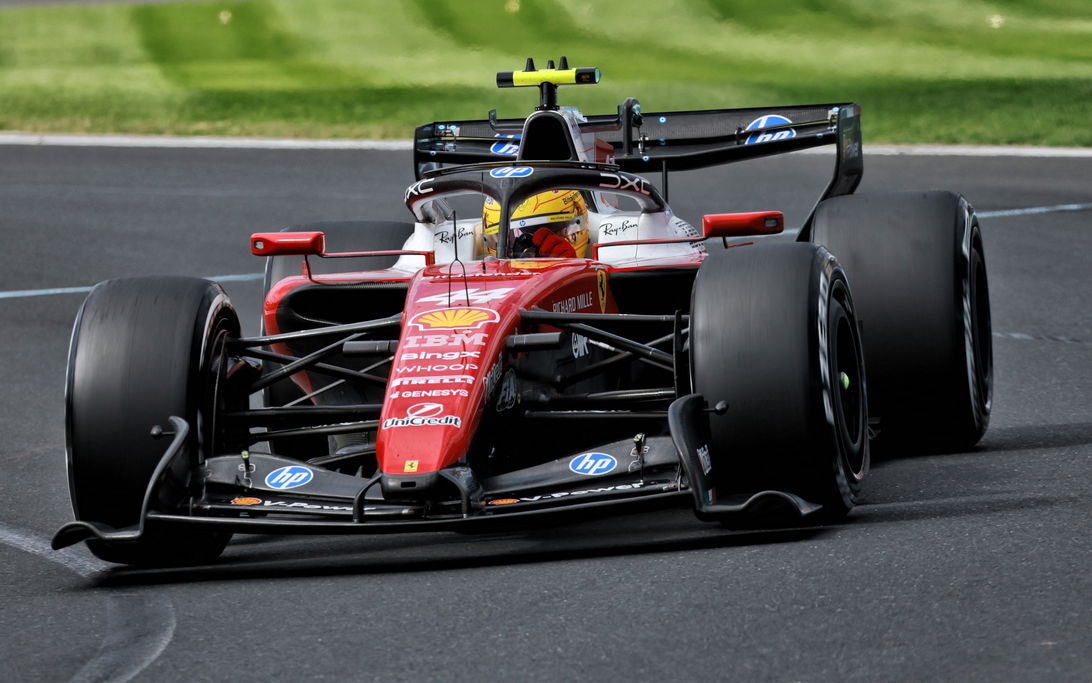
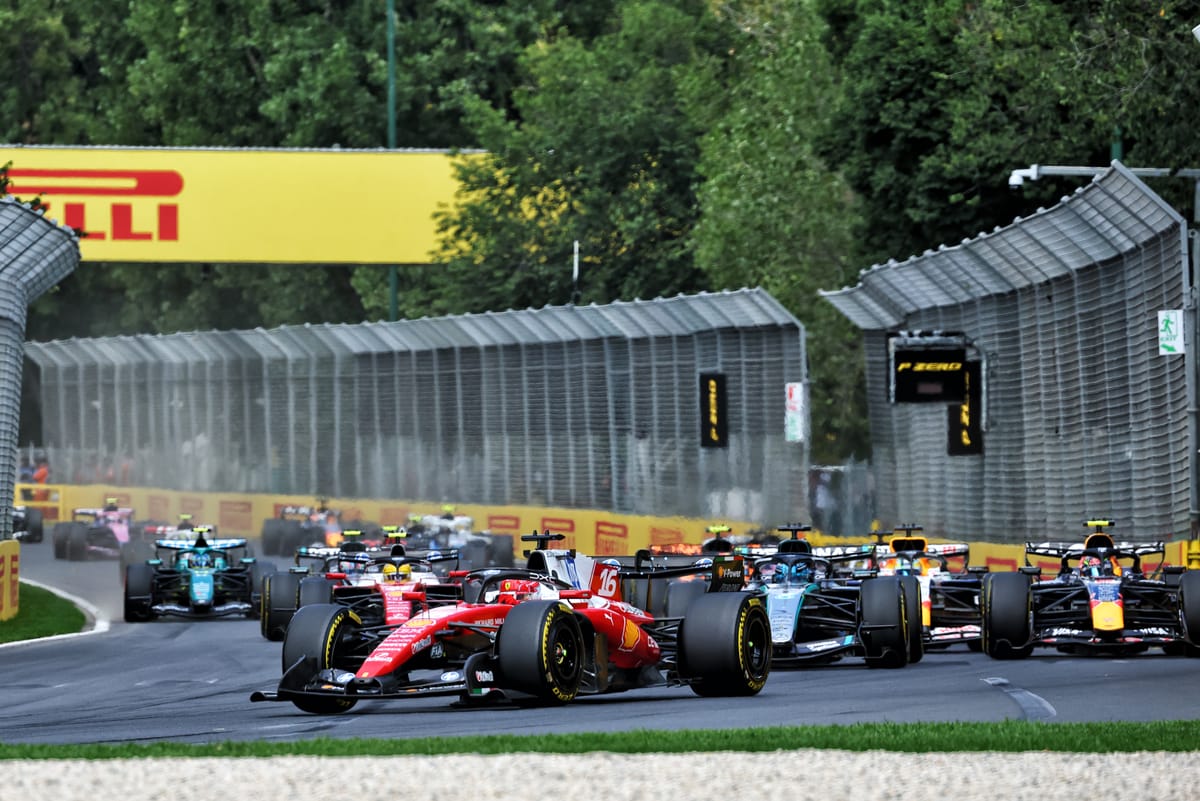
- The race was ignited by Charles Leclerc's Ferrari, utilizing its strong start performance, jumping into the lead and defending fiercely from the faster Mercedes of George Russell for the opening laps.
- The new racing dynamic was defined by energy management tactics. Overtaking now requires not only getting ahead but having enough battery charge to defend the position immediately afterward, creating prolonged, multi-corner battles.
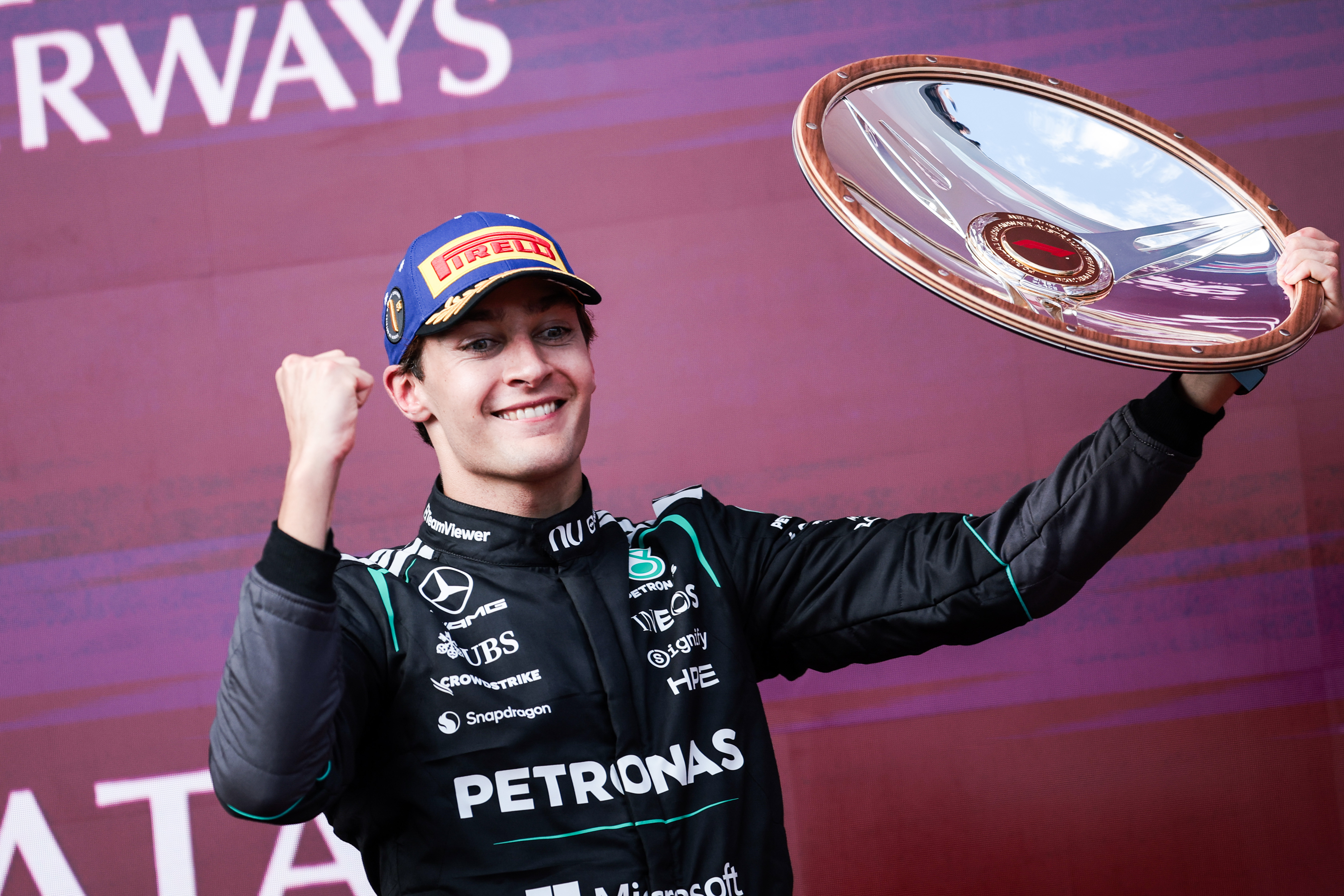
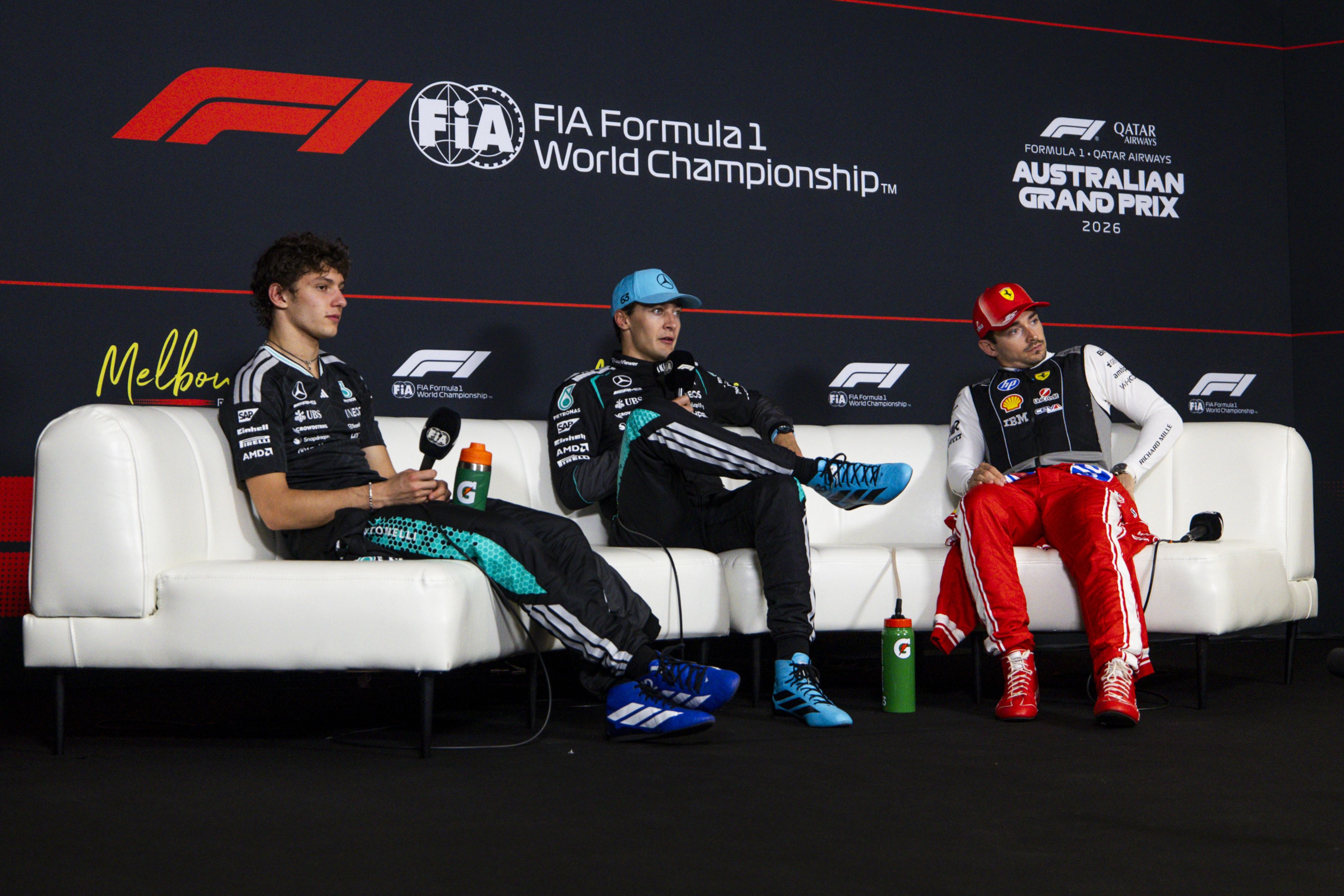
- This led to unusual and gripping scraps, with Russell attempting passes in multiple locations before finding one that would stick, all while Lewis Hamilton and Andrea Kimi Antonelli closed in behind, briefly threatening a four-way fight.
- The action peaked early. Once Russell reclaimed the lead near mid-distance and teams settled into their strategies, the race evolved into a more conventional, pace-dominated order.
- The underlying criticisms of the 2026 formula were not erased. Cars were still heard 'clipping'—severely harvesting energy—on straights, and the fundamental challenge of driving energy-starved power units remains.
What's next:
Melbourne served as a massive data-gathering exercise for all teams. The consensus among observers is that the initial uncertainty and driver adaptation created the best moments.
- The key question is whether this variable, tactical racing can persist once teams decode the optimal strategies for starts, energy deployment, and overtaking for each circuit.
- Tracks less punishing on energy recovery than Albert Park will provide the next test to see if close racing is a genuine hallmark of the new rules or merely a fleeting characteristic of early-season confusion.
- While the season opener was ultimately deemed "OK" or "perfectly acceptable," it confirmed that the 2026 rules have introduced a new, complex strategic layer to wheel-to-wheel combat, even if its long-term effectiveness is still unproven.
Original Article :https://www.the-race.com/formula-1/does-wild-australian-gp-prove-f1-2026-doubter...