





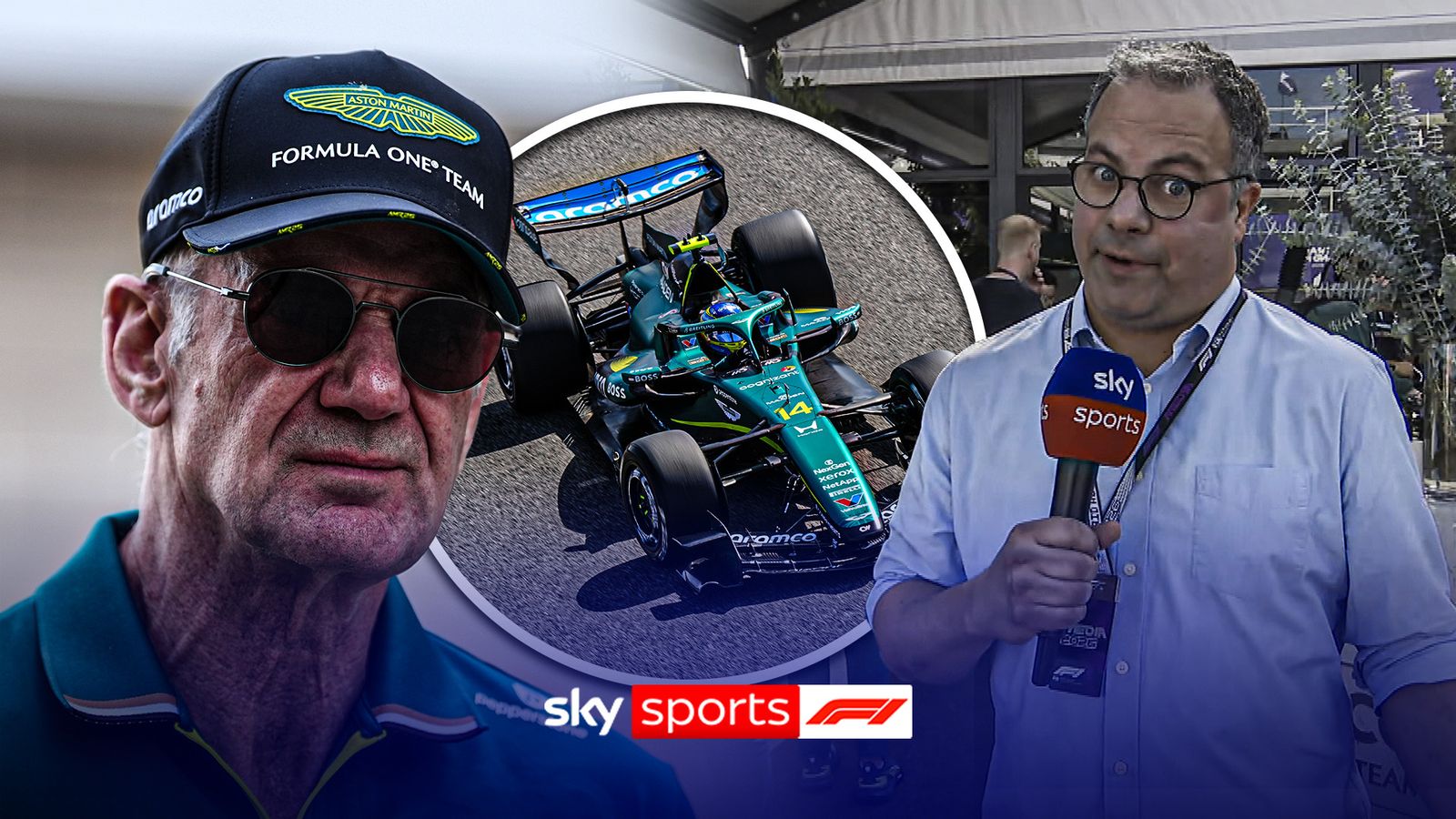
Aston Martin's vibration concerns raise nerve damage fears ahead of Australian GP
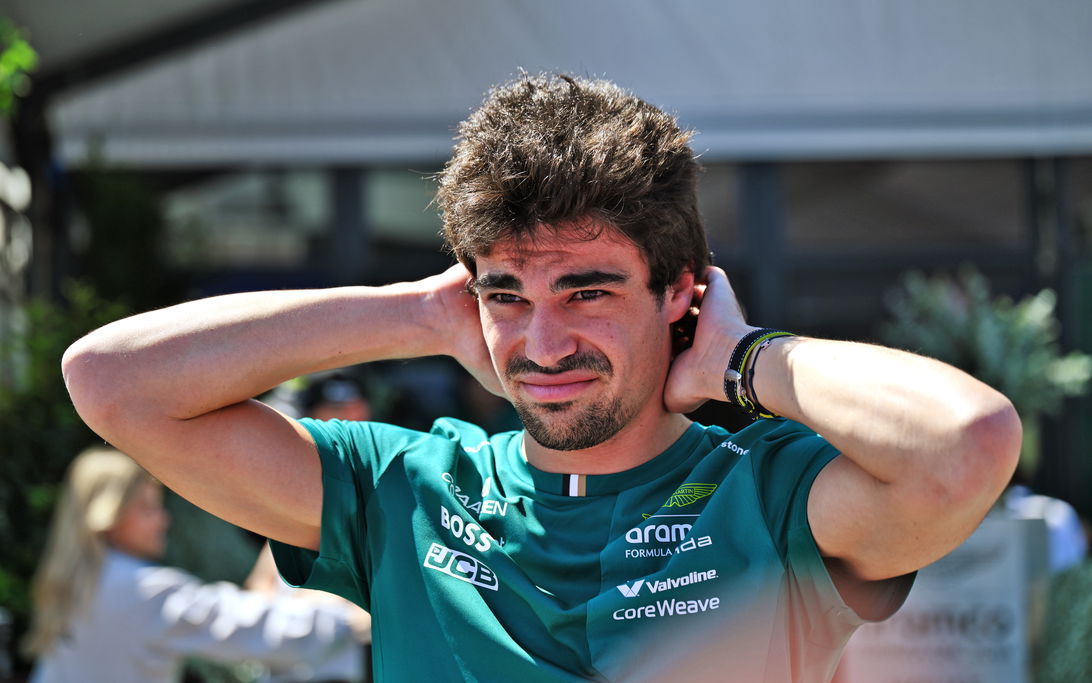
Aston Martin is reportedly grappling with severe engine vibration issues in its AMR24 car, with fears that the problem could cause 'permanent nerve damage' to its drivers and potentially prevent Fernando Alonso and Lance Stroll from finishing this weekend's Australian Grand Prix, according to Sky Sports F1 pit-lane reporter Ted Kravitz.
Why it matters:
Driver safety is the paramount concern in Formula 1, and issues that pose a risk of long-term physical harm are taken with the utmost seriousness. The potential for nerve damage transcends typical performance or reliability problems, representing a direct threat to a driver's health and career longevity. If the vibrations are severe enough to risk forcing a retirement, it also deals a critical blow to the team's constructors' championship points haul in a tightly competitive midfield.
The details:
- Sky Sports F1's Ted Kravitz reported the team's specific concern is that the intense, high-frequency vibrations from the power unit could lead to permanent nerve damage for Alonso and Stroll over the course of a race distance.
- The issue is understood to be related to the harmonics and vibrations produced by the Mercedes power unit within the AMR24's chassis, a problem that has been persistent but may have been exacerbated by recent updates or the specific demands of the Albert Park circuit.
- Such vibrations can cause a condition known as 'white finger' or hand-arm vibration syndrome, which damages blood vessels, nerves, and joints over time, leading to numbness, loss of grip strength, and chronic pain.
- While managing minor vibrations is part of an F1 driver's reality, the reported level of concern suggests these are beyond normal operational tolerances and pose a genuine health risk.
What's next:
The team faces a critical engineering challenge to mitigate the vibrations before qualifying and the race.
- Short-term fixes: Engineers will be working tirelessly to implement any possible damping solutions or power unit mapping changes to reduce the harmonic frequencies affecting the drivers. This could involve software adjustments or physical modifications to the mounting points of the power unit within the chassis.
- Driver management: If the issue cannot be fully resolved, the team may be forced to instruct its drivers to manage the problem during the race, potentially by short-shifting (changing gear earlier) or altering their driving style, which would come at a significant cost to lap time and race performance.
- The retirement scenario: The worst-case outcome, as hinted at by Kravitz, is that the drivers' physical well-being could necessitate retiring the cars from the Grand Prix if the pain or numbness becomes too severe to drive safely. All decisions will hinge on the feedback from Alonso and Stroll following the final practice sessions and their assessment of the risk.
Original Article :https://www.skysports.com/f1/video/12870/13515455/australian-grand-prix-why-fear...