


Aston Martin Confirms Technical Failure Behind Stroll's Monaco Crash
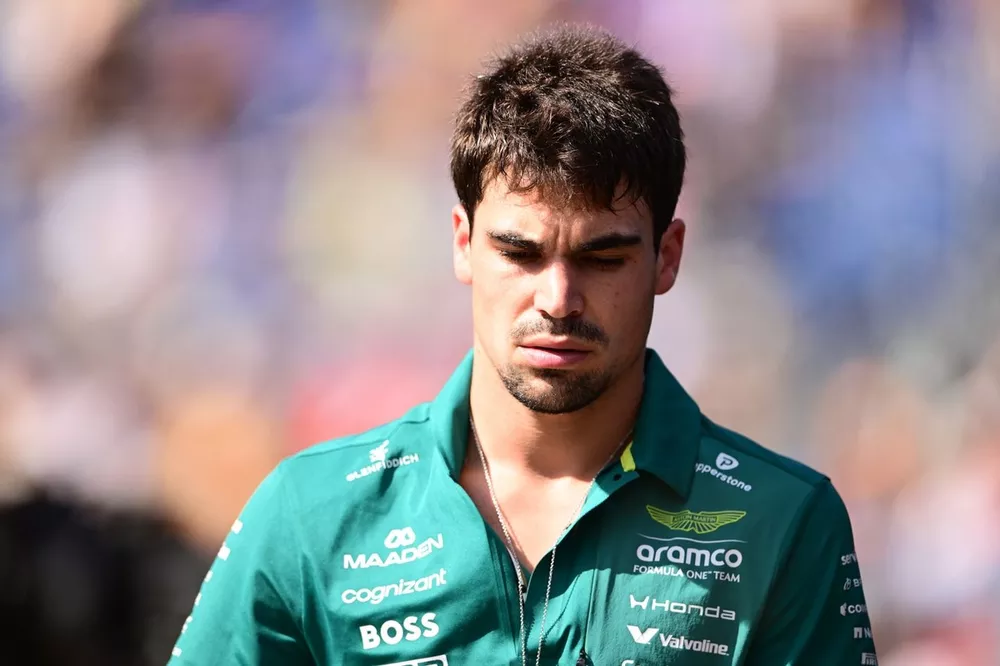
Lance Stroll's crash at the Monaco Grand Prix was more than just a victim of the crumbling track surface. Aston Martin and Honda have confirmed that a critical technical failure regarding driveability and torque delivery played a decisive role in the incident at the final corner.
Why it matters:
This admission reveals a systemic struggle within the Aston Martin-Honda power unit pairing. The inability to maintain consistent torque delivery and gearbox synchronization makes braking for slow-speed corners a high-risk lottery, directly compromising driver confidence and the car's stability in high-precision sectors.
The Details:
- The "Kick" Feeling: Stroll reported that the throttle felt "stuck wide open," describing a sudden surge of torque that pushed the car offline and into the barrier.
- Torque Disharmony: Honda's chief engineer, Shintaro Orihara, identified a lack of harmony between the MGU-K and the internal combustion engine's torque delivery, specifically at low revs.
- Internal Conflict: A tactical rift emerged as the team urged drivers to use lower gears for better energy recovery (regen), while the drivers resisted, arguing that doing so exacerbated the unstable driveability.
- The Breaking Point: Stroll's attempt to utilize first gear at the Anthony Noghes corner triggered the torque surge, which, combined with loose stones on the track, made the crash inevitable.
What's next:
With the 2026 season emphasizing power unit efficiency and integration, resolving this torque-split harmony is now a primary objective for Honda.
- The team is prioritizing extensive gearbox revisions to eliminate the unpredictable "push-pull" sensation during deceleration.
- The focus remains on refining combustion stability to ensure that the driveability improvements seen in earlier rounds are consistent across all street circuits.
Original Article :https://www.motorsport.com/f1/news/aston-martin-reveals-technical-reason-for-lan...