








Aston Martin and Honda eye more normal weekend in China after reliability gains
Honda and Aston Martin are approaching the Chinese Grand Prix with increased confidence after making significant strides in reliability during the Australian Grand Prix, targeting their first full race distance of the season. While the package remains uncompetitive, the ability to complete more laps has been a crucial step forward for the struggling partnership.
Why it matters:
For a team and engine manufacturer starting the new regulations cycle from a deep performance deficit, simply completing laps is the fundamental first step toward progress. The reliability improvements in Melbourne provide a vital foundation for Aston Martin to begin unlocking the potential of its chassis and for Honda to gather essential data to address its power unit's severe performance and vibration issues.
The Details:
- Reliability Breakthrough: After pre-season testing was marred by battery-damaging vibrations, short-term fixes for Australia allowed the team to complete 64 combined race laps—its most productive day yet—despite both cars retiring or finishing unclassified.
- Conservative Management: The team had to employ extreme caution in Melbourne, with Fernando Alonso and Lance Stroll making lengthy garage visits mid-race to conserve parts. Honda entered the weekend with only its last two batteries available, risking a failure that would have compromised the back-to-back China event as well.
- Performance Deficit Remains: The improved reliability has not solved the performance issues. Drivers described themselves as "sitting ducks" on track, with Alonso plummeting through the order in Melbourne due to excessive energy management ("super-clipping") demands and a lack of straight-line speed.
- Driver Comfort Unresolved: While battery vibrations have been reduced, high-frequency vibrations are still being transmitted through the chassis to the drivers, causing significant discomfort. Honda states this requires "a different fix" and has been a lower priority than the critical battery reliability.
- Chassis Potential: Aston Martin technical leadership believes the AMR26 chassis is already the fifth-best on the grid. The lack of running has prevented its optimization, but Alonso noted the team gained about two seconds per lap in Australia simply by having cleaner practice sessions to tune the setup.
What's Next:
The immediate goal in Shanghai is to build more mileage and further optimize energy management. Honda is confident it is "on track to complete a full race distance."
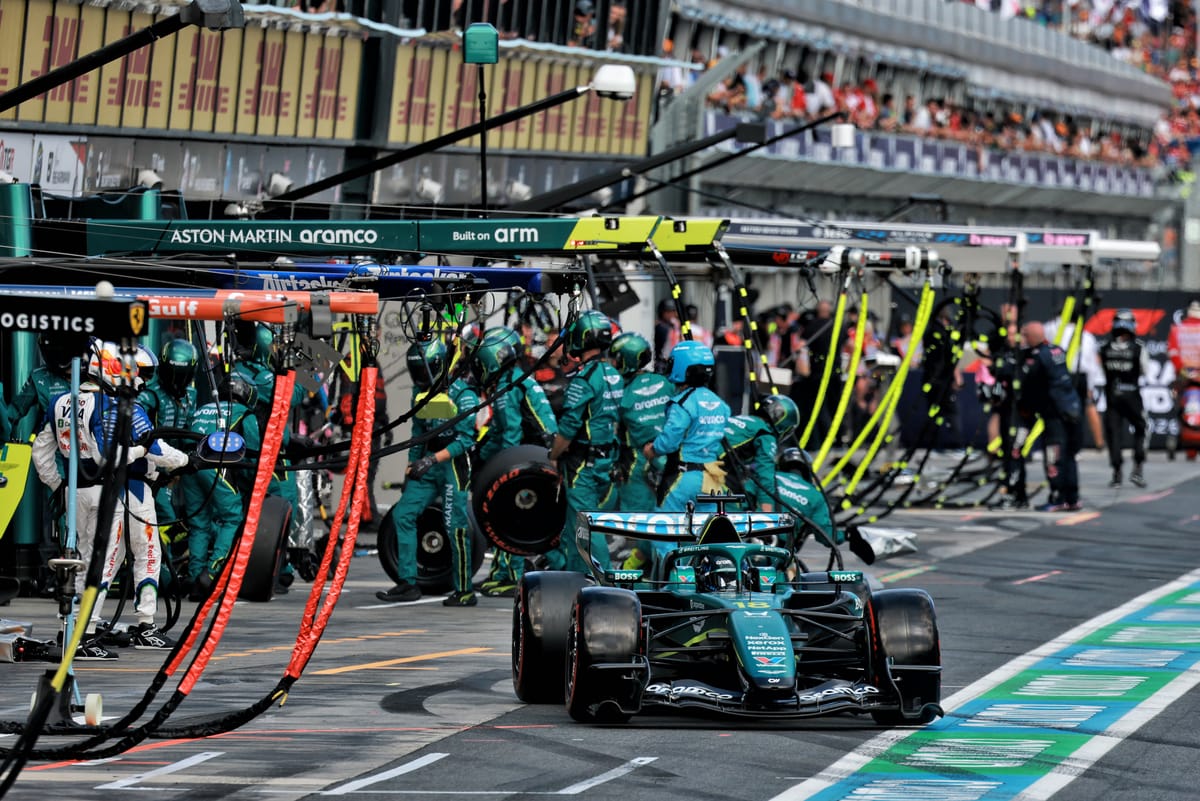
- A more "standard" weekend would allow Aston Martin to focus on operational basics, like pit stops, which were poor in Australia, and to begin properly evaluating car performance.
- The gap to Japan after China provides a critical one-week break for Honda to replenish battery stocks and implement more permanent fixes developed since testing.
- While another tough weekend is expected, each completed lap accelerates the development cycle. The focus remains on gathering data, understanding the package, and slowly closing the performance gap to the midfield.
Original Article :https://www.the-race.com/formula-1/where-aston-martin-honda-stand-ahead-of-f1-ch...
