



Alonso says drivers must slow 50km/h in high-speed corners for 2026 F1 cars
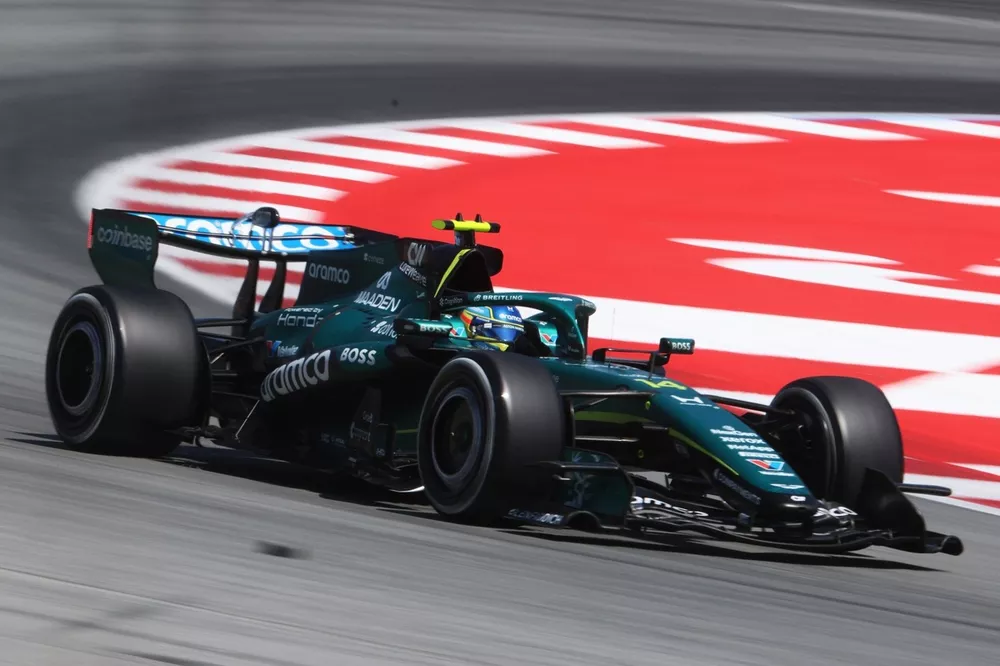
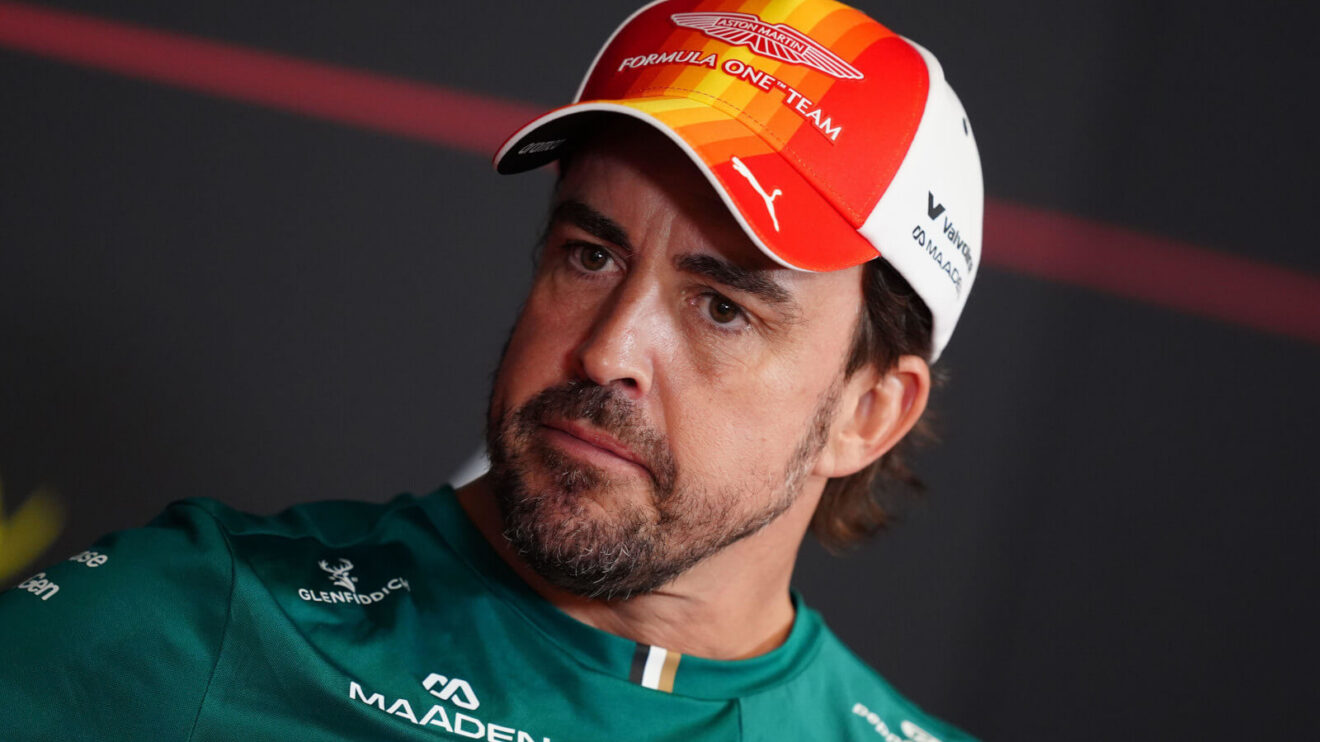
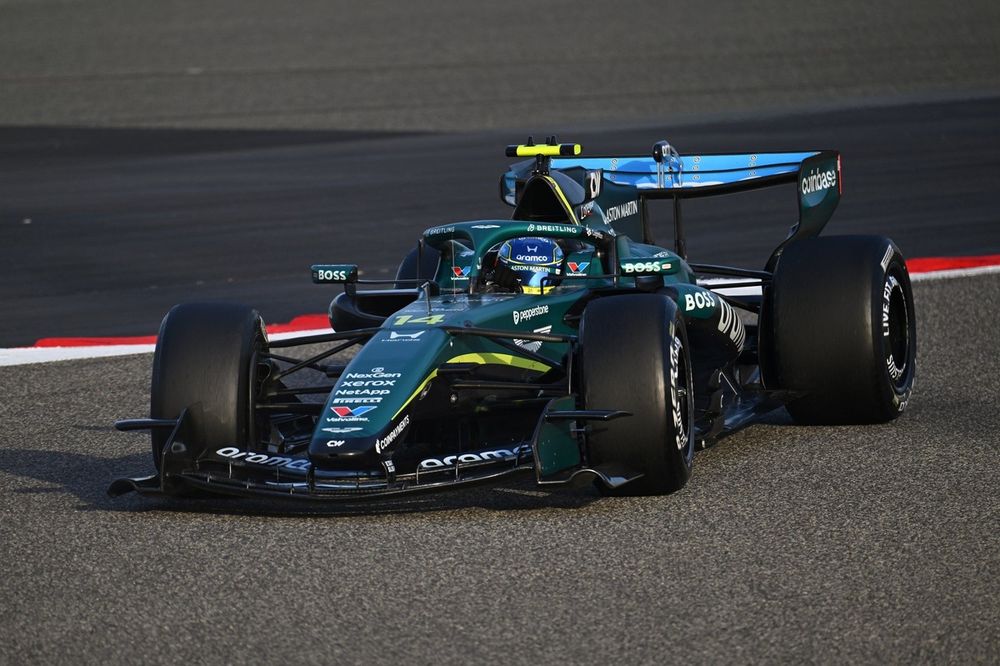
Fernando Alonso has revealed that Formula 1 drivers must now drive up to 50km/h slower in high-speed corners to optimize energy management in the 2026 cars, a significant shift in driving philosophy. The Aston Martin veteran explained that the new regulations, which heavily emphasize electric power, force drivers to conserve energy for deployment on straights rather than pushing through corners. His comments come after Max Verstappen criticized the 2026 machinery as "Formula E on steroids," highlighting a growing debate about the sport's direction and the role of driver skill.
Why it matters:
The shift from maximizing cornering speed to strategic energy conservation represents a fundamental change in what defines a fast F1 lap. This evolution places greater emphasis on computational energy management over traditional driver bravado in high-speed sections, potentially altering the competitive hierarchy and the very nature of the driver's contribution to performance.
The details:
- Alonso used Bahrain's Turn 12, historically a flat-out challenge, as a prime example. Drivers now approach it at roughly 200km/h instead of 260km/h to save battery energy.
- The core issue is the 2026 power unit's greater electric element. Energy harvested under braking must be strategically deployed, with straights offering the most efficient return.
- Alonso acknowledged Verstappen's frustration, agreeing that drivers can no longer make the difference by carrying extra speed through a corner. The performance is now dictated by how much energy is available for the next straight.
- However, he offered historical perspective, noting that Formula 1 has always had performance differentiators. Previously, it was aerodynamic downforce that created massive cornering speed gaps between cars.
- The two-time champion admitted that, from a pure driving thrill perspective, the late 1990s and early 2000s era of flat-out racing with minimal tire management remains "unbeatable."
What's next:
Alonso urges patience, suggesting the true impact of the new regulations will only be clear after three or four races. The initial grands prix of the 2026 season will serve as a critical litmus test for whether this new era of energy-centric racing can produce compelling competition or if it overly sanitizes the driver's role. The feedback from the grid's most experienced driver adds weight to the ongoing conversation about the sport's technical evolution.
Original Article :https://www.motorsport.com/f1/news/why-high-speed-corners-are-50km-h-slower-with...