


Adrian Newey Reveals Timeline of Aston Martin's Discovery of Honda's 2026 Issues
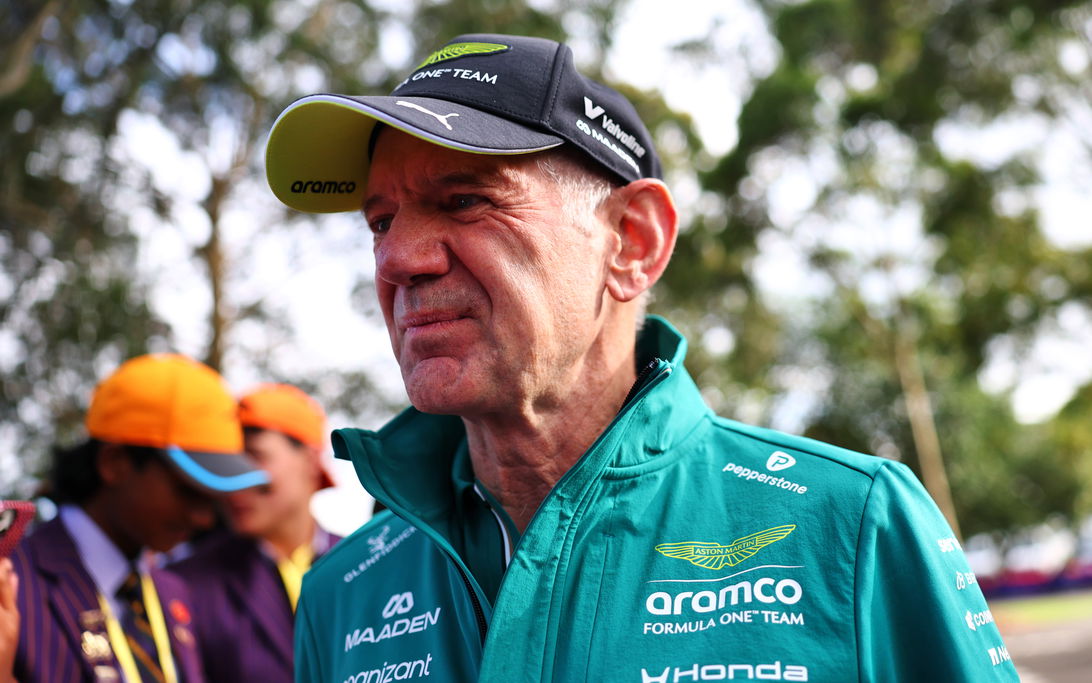
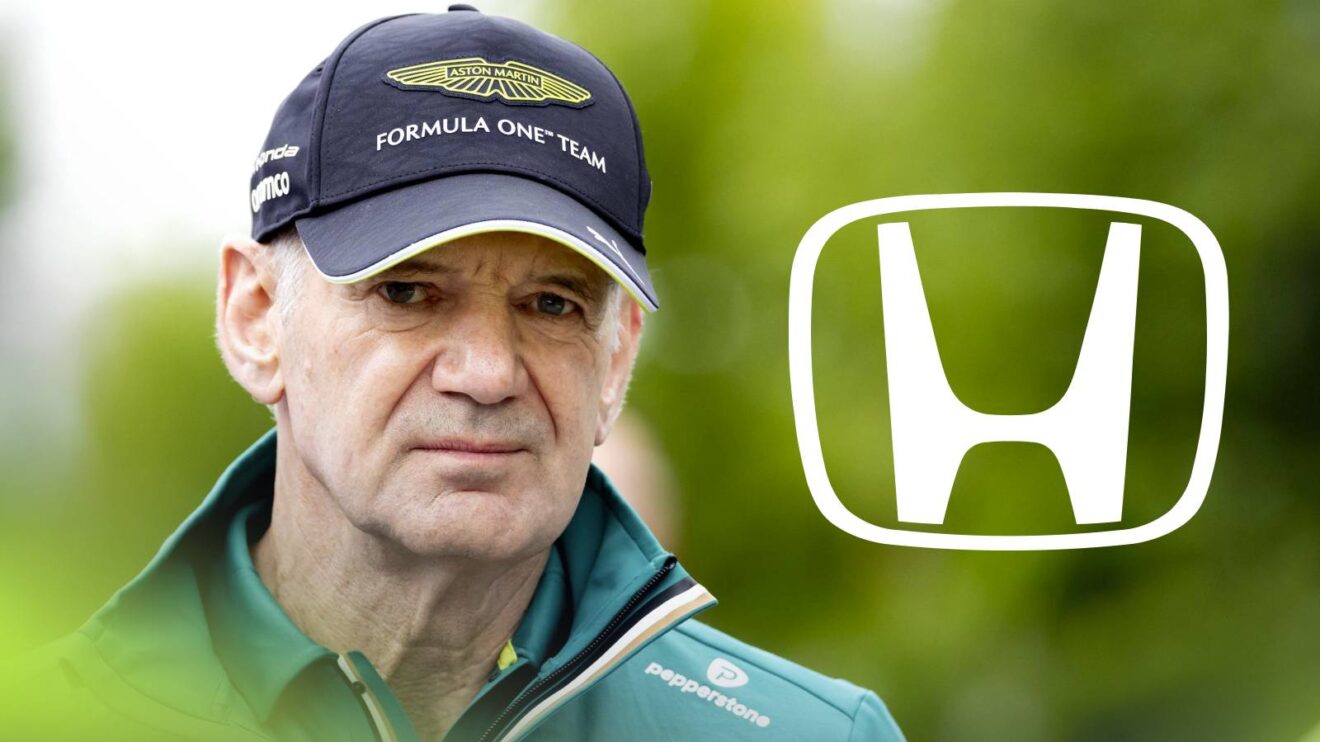
Aston Martin team boss Adrian Newey has revealed the team only became fully aware of Honda's severe 2026 power unit reliability issues in November 2025, leaving them with little time to react before the new season. The AMR26 is now crippled by excessive battery pack vibrations so severe that drivers have raised concerns about potential nerve damage, leaving the team with just two functioning batteries for the Australian Grand Prix weekend and facing a likely double retirement.
Why it matters:
This admission highlights a critical breakdown in communication and preparedness between a works team and its engine supplier at the start of a major regulation cycle. Aston Martin's competitive ambitions for 2026 are already in jeopardy, forcing them to focus purely on reliability while rivals optimize performance. The situation also puts immense pressure on Honda to deliver immediate fixes under the scrutiny of new cost-cap regulations for power units.
The details:
- Late Discovery: Newey stated Aston Martin's leadership, including Lawrence Stroll and Andy Cowell, only learned the full extent of Honda's troubles during a trip to Tokyo in November 2025, when rumors of missed performance targets were confirmed.
- Root Cause: The core issue is excessive shaking in the battery pack. Honda's trackside manager confirmed countermeasures tested in FP2 in Australia have reduced, but not eliminated, the vibrations.
- Driver Safety Concerns: Both Lance Stroll and Fernando Alonso reported the vibrations become intolerable after a limited number of laps (15-25), with Stroll comparing the sensation to being "electrocuted." While paddock sources suggest these claims may be partly tactical, they underscore the car's undriveability.
- Critical Parts Shortage: Aston Martin arrived in Melbourne with four batteries. Two were sidelined after FP1, leaving just one per car for the rest of the weekend with no resupply possible, putting their participation at severe risk.
- Historical Context: Newey explained Honda's disadvantage stems from its 2021 exit and 2023 return. The manufacturer lost approximately 70% of its original F1 workforce during that period and returned under the new engine budget cap, putting it behind rivals who had continued development uninterrupted.
What's next:
Aston Martin's immediate goal is simply to get both cars to the finish in Australia, a prospect Newey described as unlikely. The team will rely on the newly-introduced ADUO (Additional Development and Upgrade Opportunities) system, which is likely to grant Honda extra development tokens to address the crisis.
Long-term, Newey has urged Honda to focus its entire effort on a "very large step" in combustion engine power for 2027, indicating that the fundamental architecture for 2026 may already be a compromised starting point. For now, the team is in damage limitation mode, searching for any positive data from the handful of laps they can complete.
Original Article :https://www.planetf1.com/news/adrian-newey-aston-martin-honda-2026-f1-engine-iss...