




Adrian Newey pushes suspension boundaries with radical Aston Martin AMR26 design
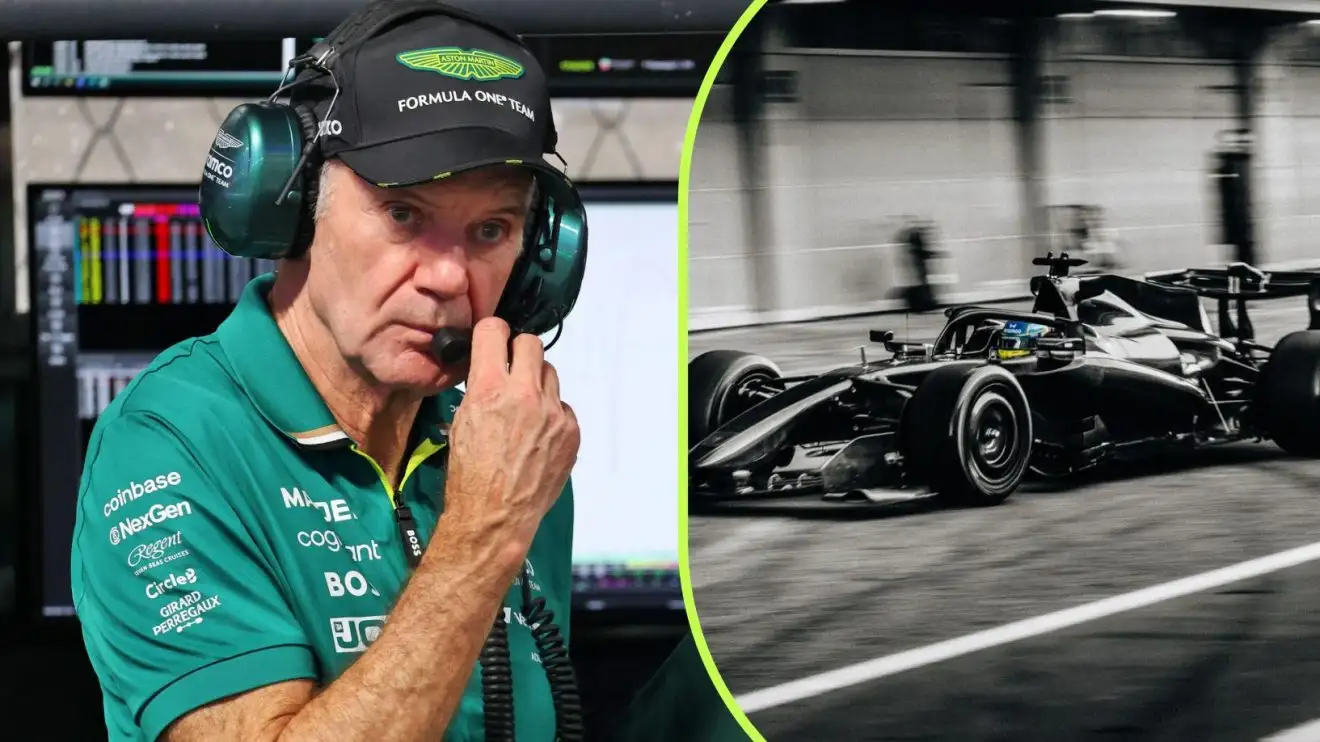
Aston Martin's new AMR26, the first car fully designed by legendary engineer Adrian Newey for the team, has made its track debut with a radical suspension layout that experts suggest pushes into areas other designers avoid. The car, running in a plain black livery during private testing in Barcelona, immediately drew attention to its unconventional front and rear suspension geometry, signaling Newey's aggressive aerodynamic priorities.
Why it matters:
Newey's move to Aston Martin represents one of the biggest technical storylines of the new F1 era. His first design for the team provides the first tangible evidence of his philosophy and could signal a major shift in the competitive order. If his extreme suspension concepts prove successful and reliable, they could give Aston Martin a significant aerodynamic advantage, challenging the established frontrunners and validating the team's massive investment in his expertise.
The details:
- The AMR26 features a unique multi-link front wishbone arrangement, with the upper rear leg mounted significantly lower and further back on the chassis than typical designs.
- Former Aston Martin strategy chief Bernie Collins notes that while a suspension's primary job is mechanical—connecting wheels to the car for traction and drivability—Newey is prioritizing aerodynamic performance, potentially forcing the mechanical setup into a configuration other designers would find sub-optimal for pure handling.
- The rear suspension is equally innovative, with the top wishbone mounted directly to the rear wing pillar instead of the gearbox casing.
- This high mounting point is technically challenging, requiring the pillar to be both extremely strong and lightweight, but it allows the component to act as an additional aerodynamic element, similar to a 'monkey seat,' generating downforce and improving airflow.
- The car's debut was a logistical achievement, integrating a new Honda power unit and a bespoke gearbox—which Aston Martin has not produced in-house for years—in time for the Barcelona test.
- Running in an unpainted, matte-black livery is a common testing tactic to save weight and hide aerodynamic details from prying eyes, with paint to be added before the official pre-season tests.
What's next:
The true pace and potential of the AMR26 remain unknown, as the Barcelona running focused on systems checks and aerodynamic data collection, likely with conservative engine and gearbox settings. The car will undergo its first major examination at the official pre-season tests in Bahrain on February 11-13 and 18-20. All eyes will be on whether Newey's bold suspension concepts can translate into competitive lap times and, crucially, reliability when the season begins in Melbourne on March 8.
Original Article :https://www.planetf1.com/news/adrian-newey-aston-martin-amr26-suspension-others-...