




Abu Dhabi GP Highlights F1's Sporting Crisis Despite Three-Way Title Fight
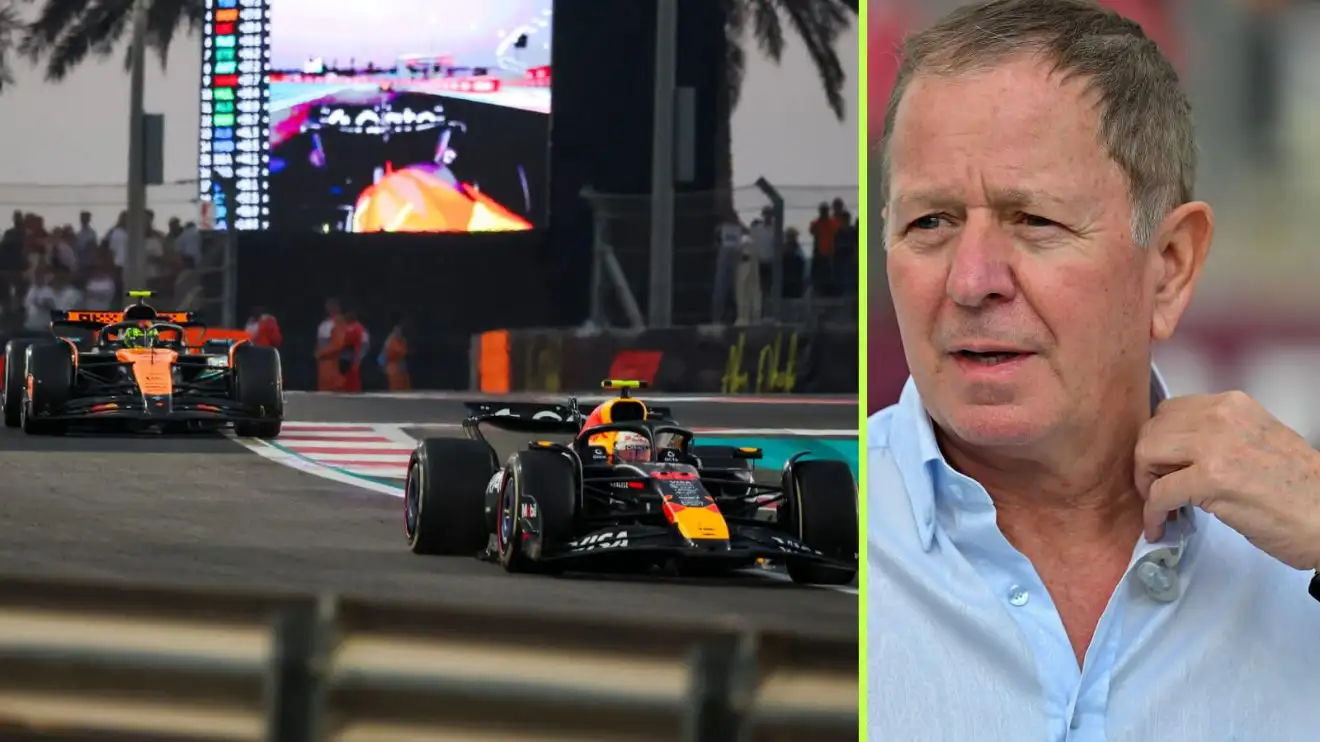
Formula 1's championship finale promised historic drama with Lando Norris, Max Verstappen, and Oscar Piastri battling for the title—the first three-way fight since 2008. Instead, Yas Marina Circuit delivered a procession that exposed fundamental flaws in F1's premier venue, leaving fans and new viewers questioning the sport's competitive integrity.
Why it matters:
This race was F1's prime opportunity to showcase thrilling racing to casual audiences, yet it reinforced perceptions of predetermined outcomes. With Abu Dhabi locked in as the season finale through 2030, the sport risks alienating viewers seeking authentic competition—particularly concerning as F1 expands into new markets where sporting credibility is paramount.
The details:
- Predictable dominance: Verstappen's victory marked the 11th consecutive pole-to-win result at Yas Marina, with Nico Rosberg's 2014 win remaining the last non-pole triumph—a statistic highlighting the track's overtaking futility.
- Design flaws: The circuit's excessive width (accommodating "ten cars") and paved runoff zones eliminate strategic risk, evidenced by all 20 cars finishing trouble-free despite championship stakes.
- Editorial consensus: An internal F1 newsroom track ranking placed Abu Dhabi 22nd out of 24 venues, with half the editors listing it among their two least favorite circuits due to its sporting shortcomings.
- Historical context: Only two memorable finales occurred here in 14 years—the controversial 2021 race decided by Nicholas Latifi's crash and Sebastian Vettel's 2010 title win—proving exceptional circumstances, not track design, create drama.
- Symbolic moment: Yuki Tsunoda's penalty for illegal defending against Norris epitomized the race's artificial tension, with his team later admitting the call was "over the top."
What's next:
F1 faces growing pressure to address Yas Marina's shortcomings before its 2030 contract expires, though commercial realities may override sporting concerns. The sport's expansion into Las Vegas and Miami offers contrasting models—street circuits generating genuine racing versus Abu Dhabi's controlled spectacle. Meanwhile, teams and drivers must navigate this paradox: delivering championship drama on a track engineered to prevent it. With new fan acquisition critical to F1's growth strategy, the disconnect between Abu Dhabi's glamorous presentation and sporting emptiness threatens long-term engagement—particularly among viewers who tuned in expecting genuine competition rather than a ceremonial procession.
Original Article :https://www.motorsport.com/f1/news/who-slept-worst-last-night-the-F1-fan-1078330...