





A Day in the Life of an F1 Marshal: The Unsung Heroes of Motorsports
Formula 1 Grand Prix weekends, especially the night race in Singapore, rely heavily on the dedication of over a thousand volunteer marshals. These unsung heroes ensure the safety and smooth running of every session, from practice to the race itself. From flag signals to debris clearing, their vigilance is paramount in an environment where unexpected incidents are the norm.
Why it matters:
Motorsport, particularly F1, cannot function without its marshals. These volunteers are the eyes and ears of Race Control, providing critical real-time information that cameras might miss. Their rigorous training and commitment enable F1 to maintain its high safety standards, making it possible for drivers to push the limits and for fans to enjoy the spectacle.
The Details:
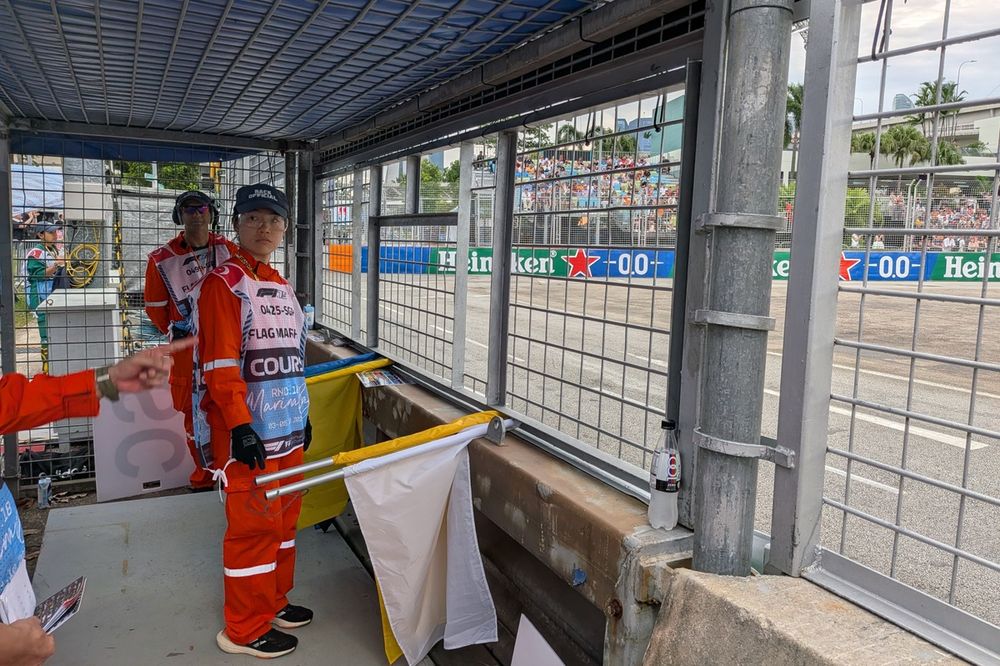
- Diverse Roles: Marshals take on various specialized roles, including track marshals (debris clearing), recovery marshals (car retrieval), flag marshals (flag and light panel operations), and fire marshals (fire hazards). Observers also play a crucial role in spotting potential hazards.
- Extensive Training: Given that circuits like Singapore are used only once a year, marshals undergo intensive classroom training and safety briefings. Many begin at grassroots levels, working their way up through local ASNs (national motorsport authorities).
- Global Community: The marshalling community is incredibly diverse, with volunteers traveling from all corners of the globe. This global participation is essential for filling all roles, especially at events requiring a large number of marshals like Singapore.
- Demanding Work: Despite the passion, marshalling is a physically and mentally demanding job. Shifts can be exceptionally long, as seen in Singapore where marshals are on site from 10:45 AM until 11:00 PM. The job also carries inherent risks, as evidenced by recent incidents.
- Growing Diversity: The F1 boom, particularly driven by "Drive to Survive," has brought a welcome influx of younger and more diverse volunteers, solving previous shortages and enriching the community.
Between the lines:
F1 Race Director Rui Marques, who started his career as a marshal, emphasizes that the core qualities of a good marshal are preparation, understanding procedures, and relentless training. He also highlights the family-like camaraderie among marshals, a key factor that keeps volunteers returning despite the demanding nature of the role and personal costs involved in traveling to international events.
What's next:
The FIA has recently established a new Officials Department and designated October as 'Volunteers and Official Month' to further enhance training and celebrate these vital contributors. This initiative aims to centralize and improve the overall standard of marshalling, ensuring a sustainable future for motorsport officiating. For those interested, connecting with local clubs or national motorsport associations is the first step to becoming part of this essential and rewarding community.
Original Article :https://www.motorsport.com/f1/news/a-day-in-the-life-of-an-f1-marshal-the-volunt...


