







2026 F1 Starts Pose a ‘Recipe for Disaster’ – Drivers Urge Fixes
Summary
Drivers warn 2026 starts—long turbo‑spool, low down‑force straight‑mode—could strand cars, spark multi‑car crashes. Fixes like a grid‑pause or limited battery‑assist are being pushed to avoid disaster.
Oscar Piastri warns 2026 starts—long turbo‑spool, low down‑force straight‑mode—could strand cars, spark multi‑car crashes. Fixes like a grid‑pause or limited battery‑assist are pushed to avoid disaster.
Why it matters:
- A stalled launch can lose a driver six or seven places, wiping out qualifying advantage.
- Low down‑force off the line cuts grip and raises collision risk in a 22‑car pack.
- Turbo‑boost timing is hard to nail in a live start, unlike practice.
The details:
- Drivers need the turbo in its boost window for 8‑10 seconds before lights; mistiming causes sudden power loss.
- Front‑row drivers like Piastri risk anti‑stall, while back‑markers have even less time to hit the sweet spot.
- Haas’s Ollie Bearman says the margin between a good and bad launch is a few hundred milliseconds.
- Proposed fixes: add a pause before the start, or allow limited battery‑power below 50 km/h to bridge turbo lag.
What's next:
- The FIA will review the start‑procedure at its next commission meeting; any rule change needs unanimous approval.
- Ferrari, built its 2026 power unit around a short‑spin turbo, may resist extensions that benefit rivals.
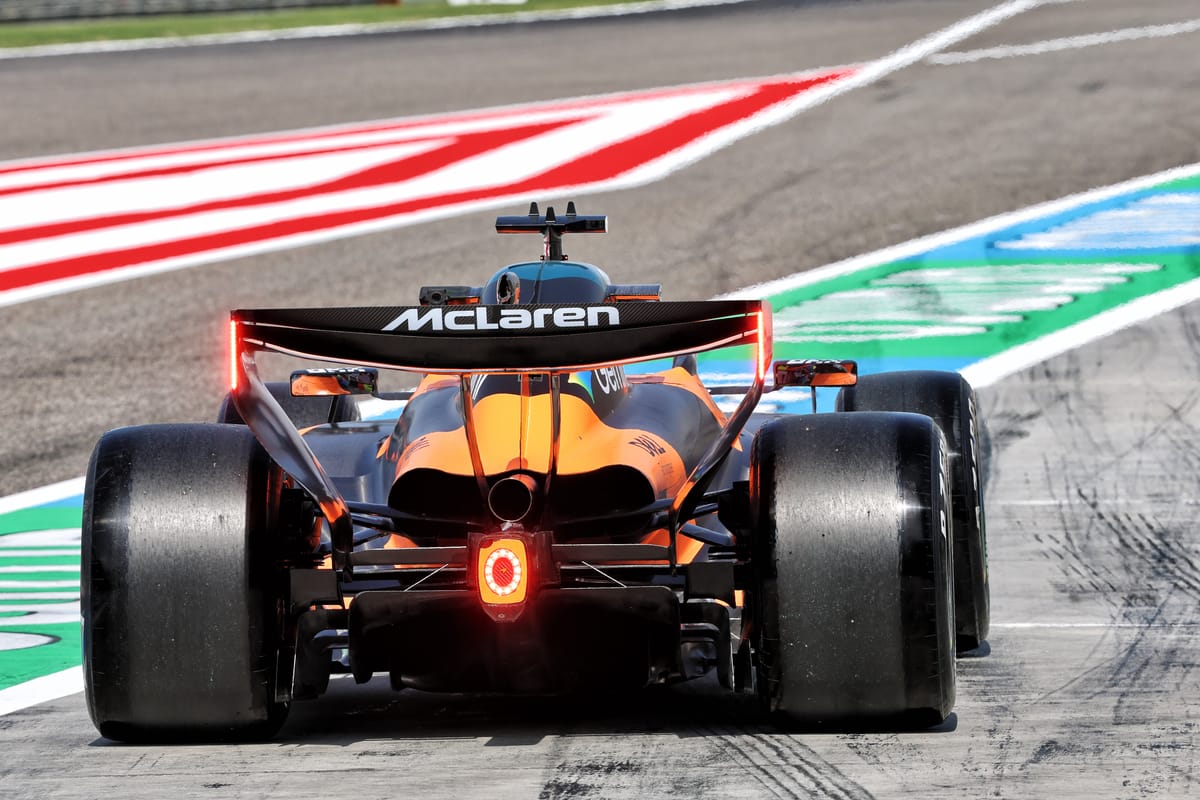
- Alpine and McLaren urge a “responsibility”‑first approach, warning the opening lap could become a defining safety issue.
Original Article :https://www.the-race.com/formula-1/why-f1-2026-starts-are-a-recipe-for-disaster-...
