


2026 F1 Season Opens in Melbourne: Key Takeaways from a Complex New Era
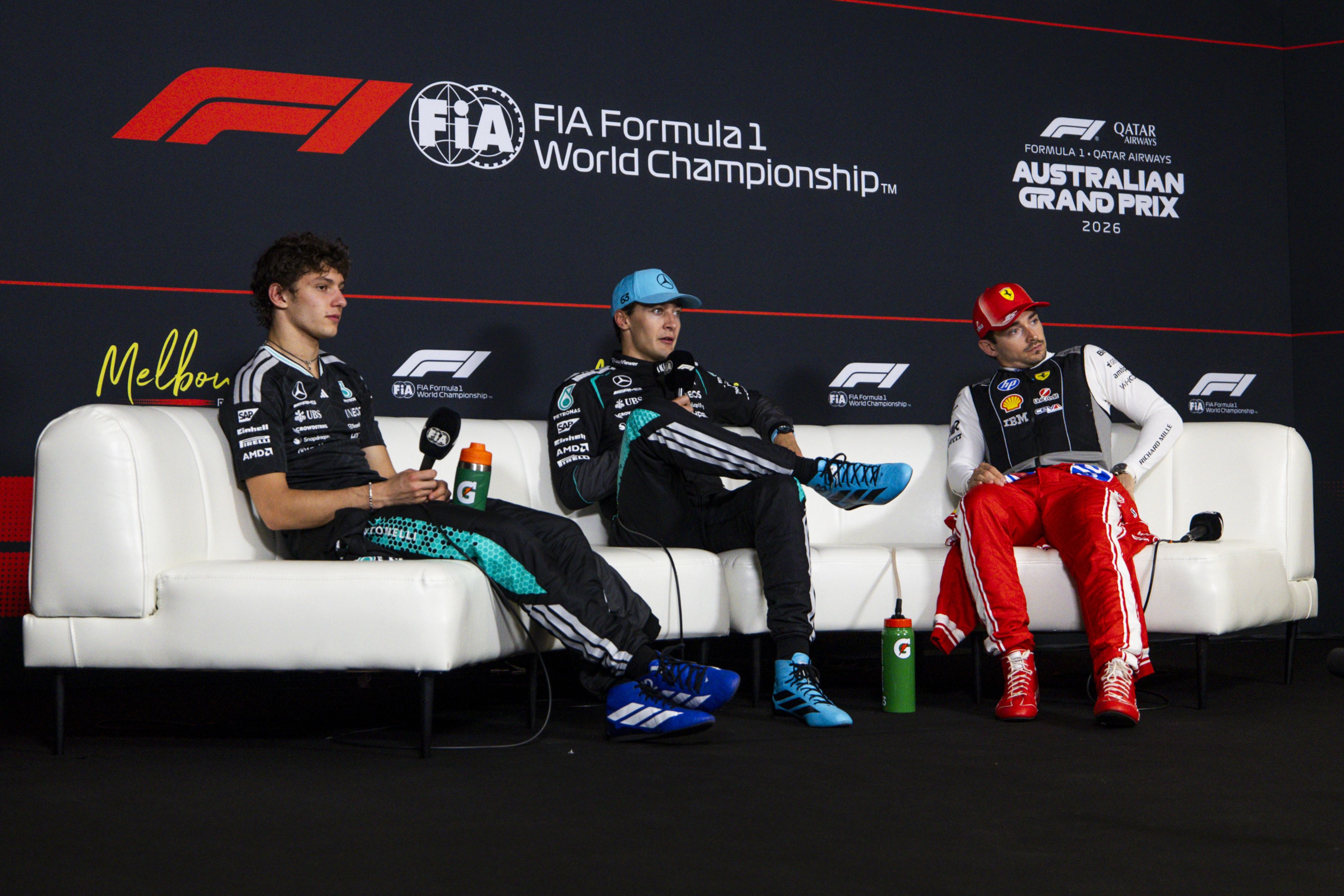
The 2026 Formula 1 season opened in Melbourne with a race that highlighted the dramatic changes brought by the new regulations, drawing mixed reactions from drivers and fans. While Mercedes secured a commanding one-two finish, the event revealed a competitive hierarchy and significant challenges for several top teams, setting the stage for a complex development battle ahead.
Why it matters:
The Australian Grand Prix served as the first real-world test of F1's new technical era, offering crucial insights into the pecking order and the practical challenges of the radically different cars. Driver feedback and team performance here will shape development directions for the entire season, making this a foundational race for understanding the 2026 landscape.
The details:
- Driver Skepticism on New Rules: Drivers have been vocal in their criticism, describing the 2026 machinery as overly complicated, "unnatural," and counter-intuitive, with some comparisons to Formula E. Onboard footage showing cars decelerating heavily at the end of straights has divided traditionalist fans, sparking debate about whether the sport has added too much complexity.
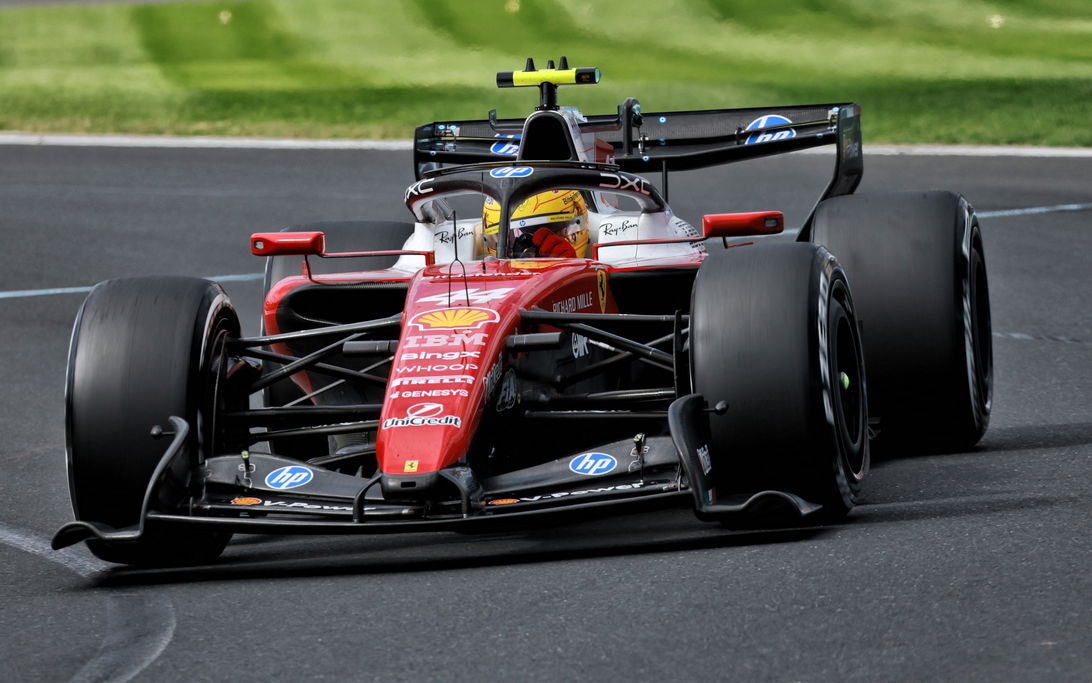
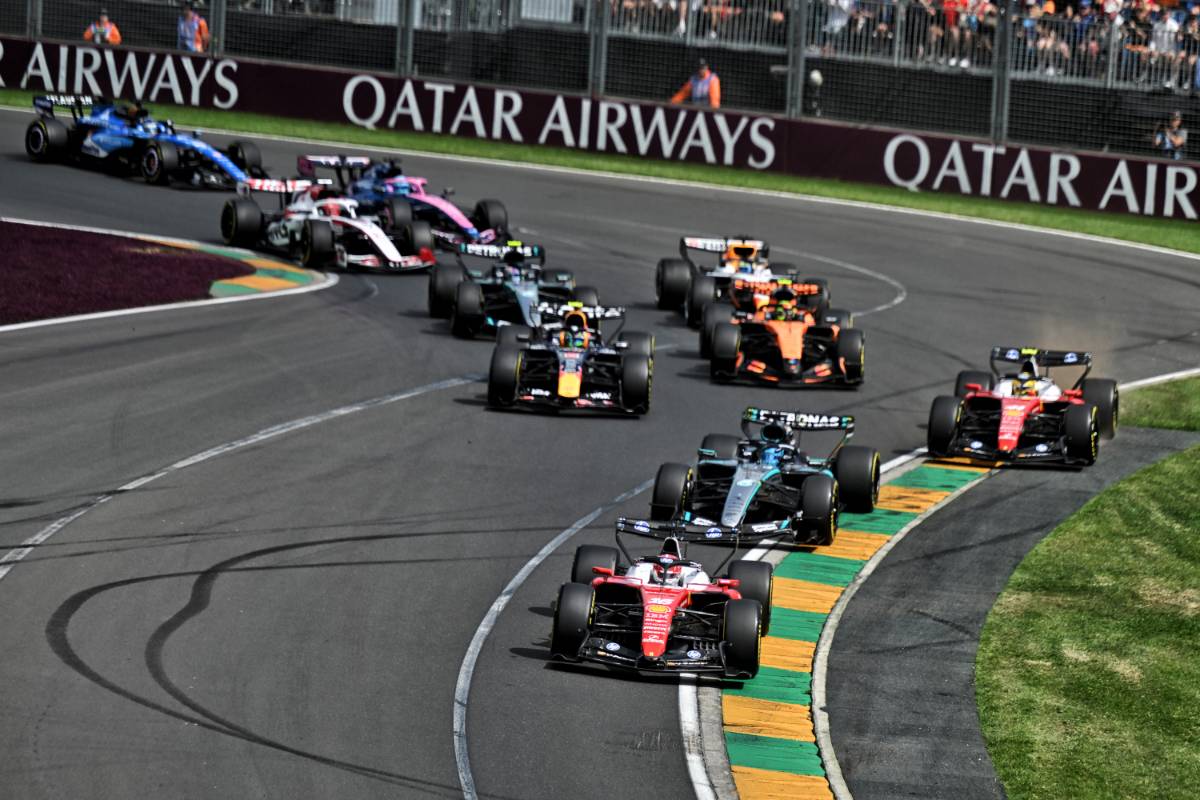
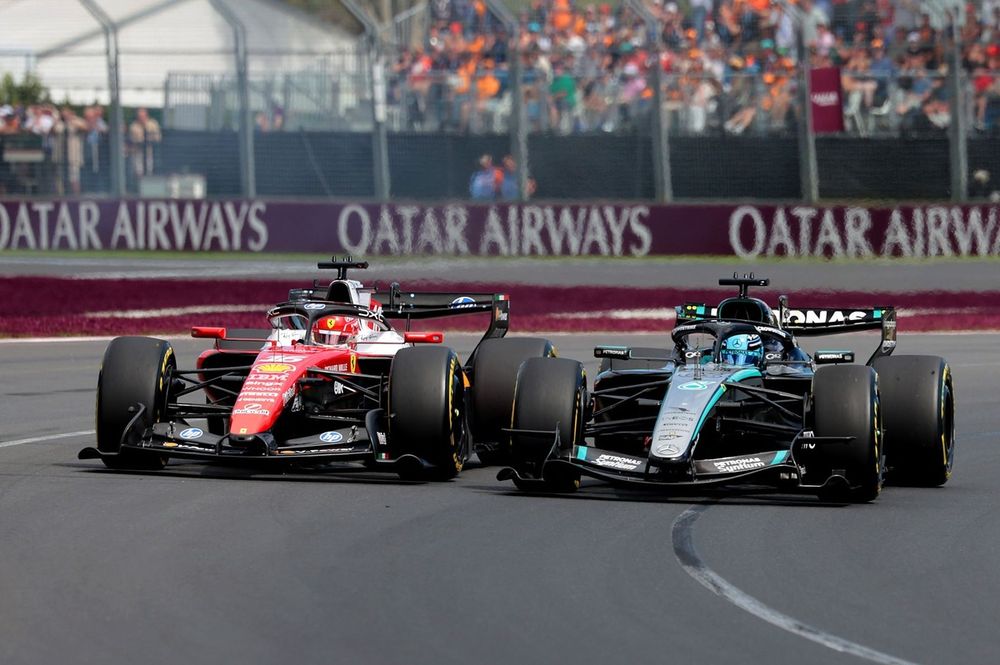
- Mercedes' Strong but Beatable Start: The Silver Arrows converted a front-row lockout into a one-two finish, confirming their pre-season status as the team to beat. However, the race stint showed their advantage is not insurmountable, with Ferrari providing closer competition than expected in the opening laps and hinting at a development race ahead.
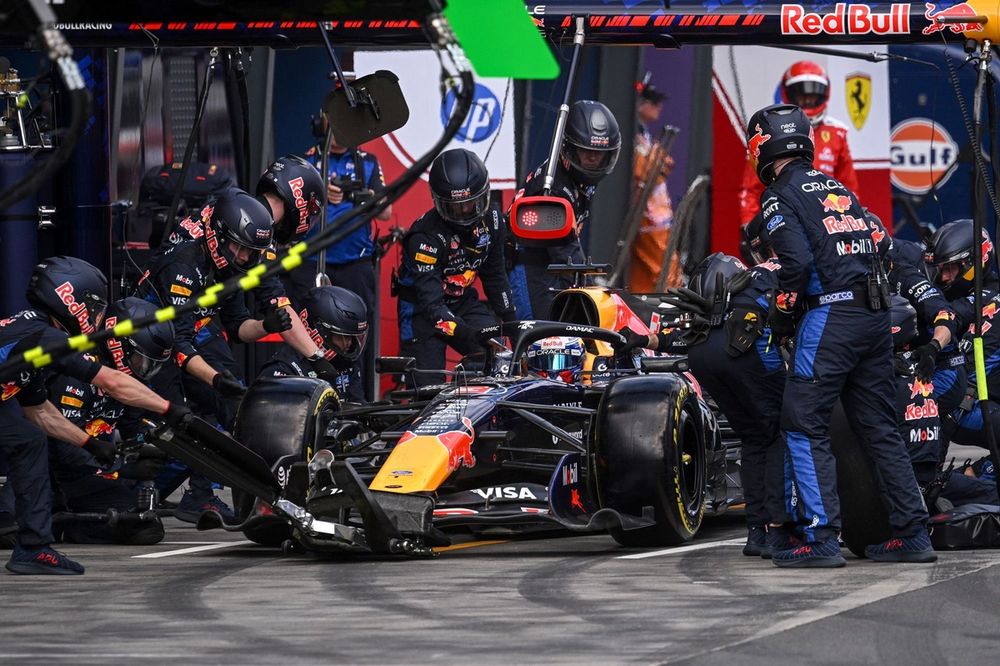
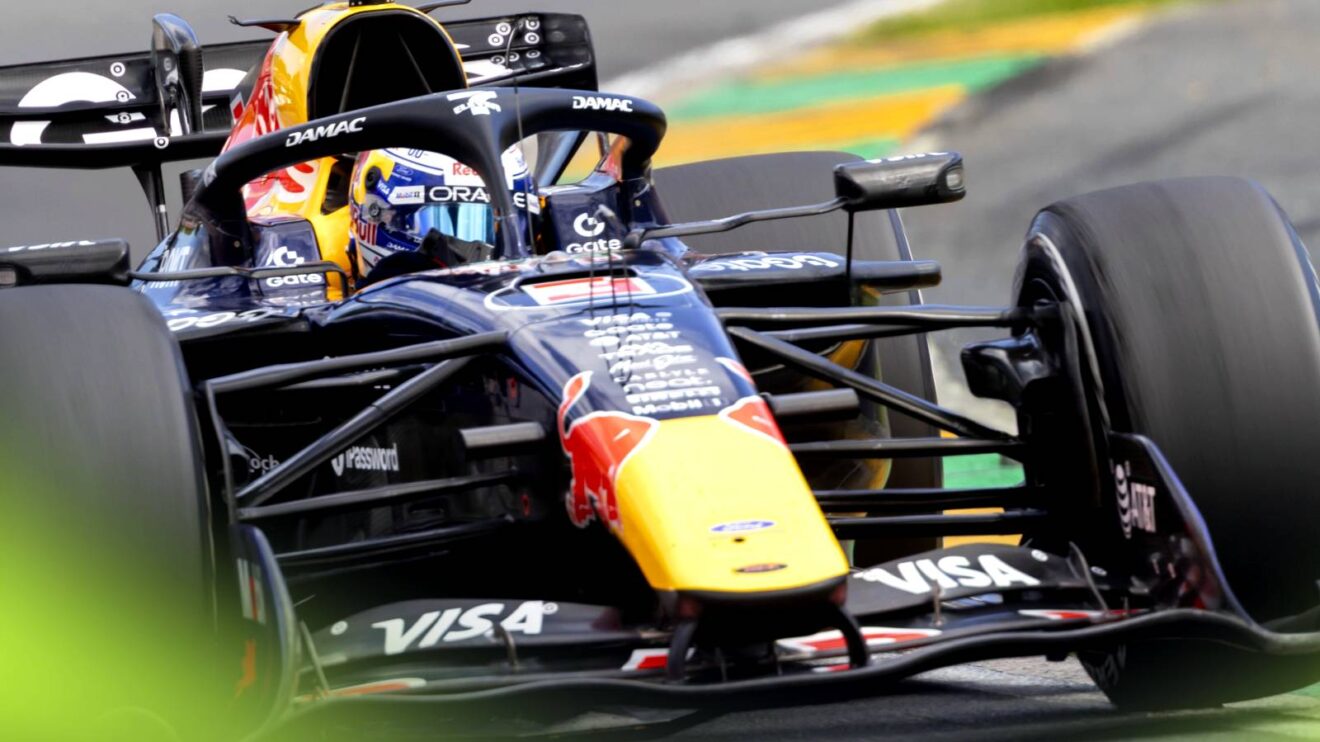
- Midfield Concerns: McLaren and Red Bull appeared significantly behind over a race stint, with Lando Norris suffering from excessive tyre degradation—a potential track-specific issue. George Russell, the race winner, solidified his status as an early title contender, while teammate Kimi Antonelli looks poised for his first victory soon.
- Piastri's Home GP Disaster: Oscar Piastri's difficult start to the year worsened with a crash on the reconnaissance lap, forcing him to miss the start of his home grand prix. This compounds the mental blow from losing the 2025 title to teammate Norris late last season, raising pressure on the Australian to reverse his fortunes quickly.
- Aston Martin's Deepening Crisis: The team's nightmare start continued with severe reliability issues linked to the Honda power unit. A lack of spare batteries and ongoing problems limited running all weekend. Fernando Alonso noted that even with a chassis fix, a huge power deficit remains—an issue not likely to be resolved before the new ADUO system is introduced after the first six races.
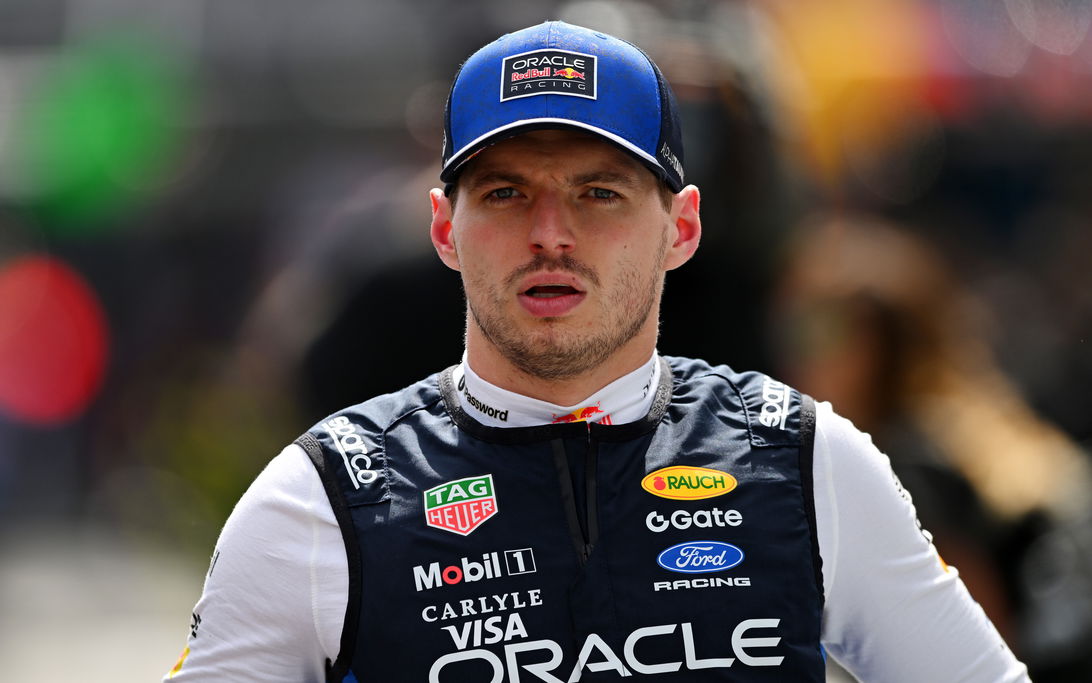
- Lindblad's Impressive Debut: 18-year-old Arvid Lindblad justified his rapid promotion to Racing Bulls with a standout debut. He reached Q3 in qualifying and scored points with an eighth-place finish, showing composure while battling experienced drivers like Max Verstappen during the race.
What's next:
Melbourne, a uniquely challenging track, may not be fully representative of the season to come. The focus now shifts to the rapid development race, with teams needing to unlock performance and reliability from the new cars. For Mercedes, the task is to extend its lead; for Ferrari, to close the gap; and for teams like Aston Martin and McLaren, to solve fundamental issues before they fall too far behind. The true competitive picture will become clearer over the next few rounds.
Original Article :https://www.motorsport.com/f1/news/five-quick-takeaways-from-f1s-first-race-of-t...