







2026 F1 cars reveal early design diversity in Barcelona shakedown
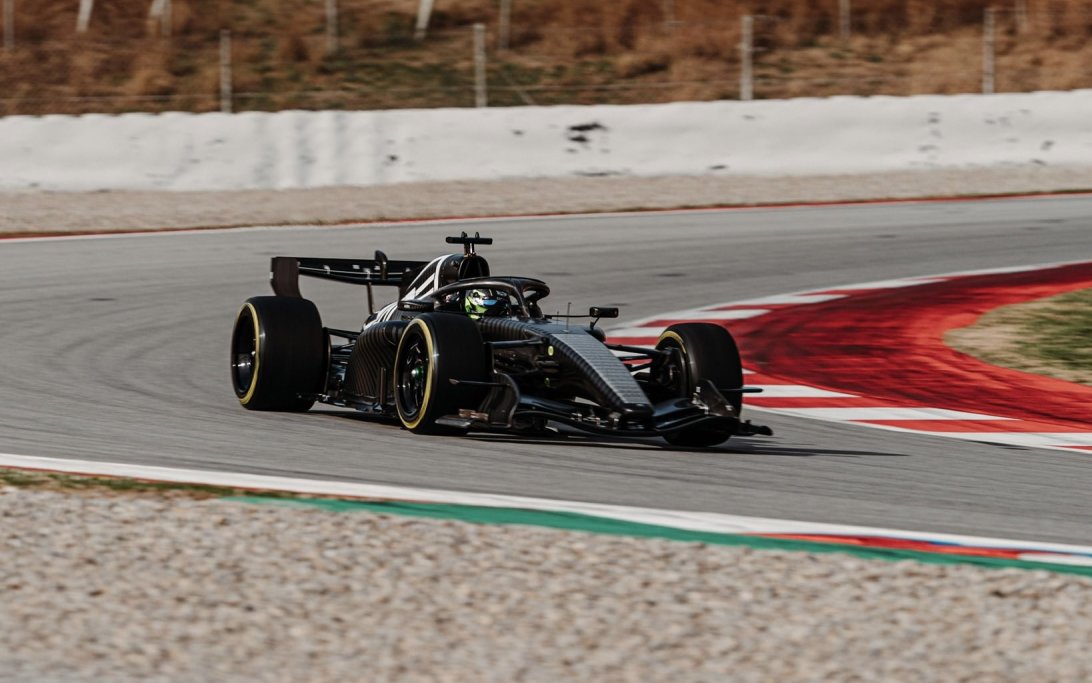
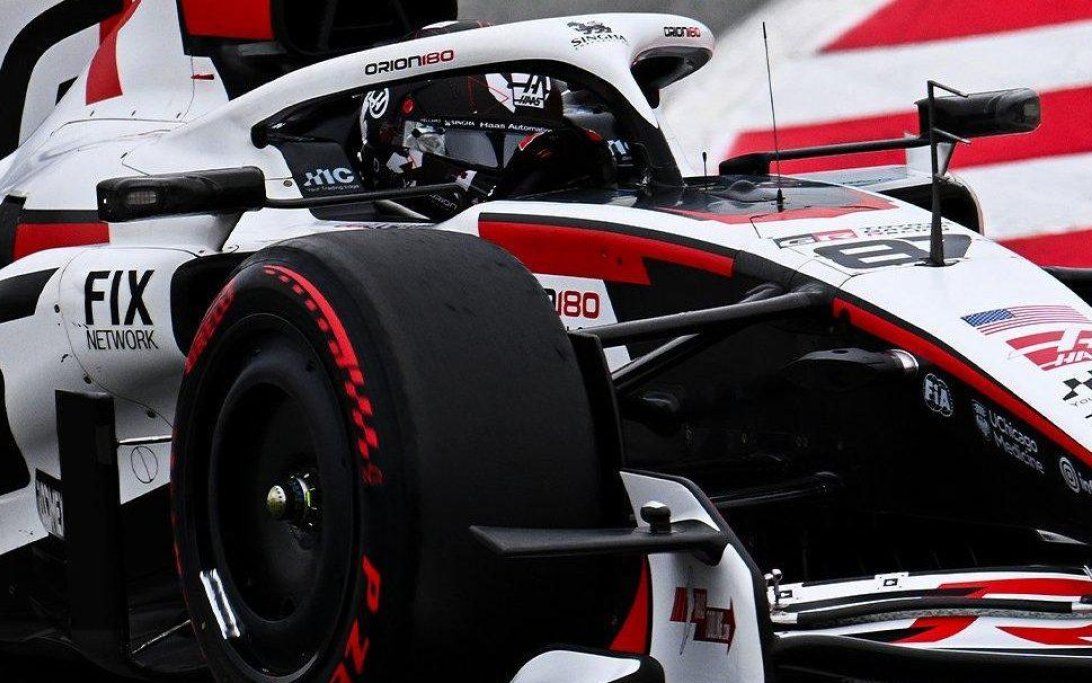
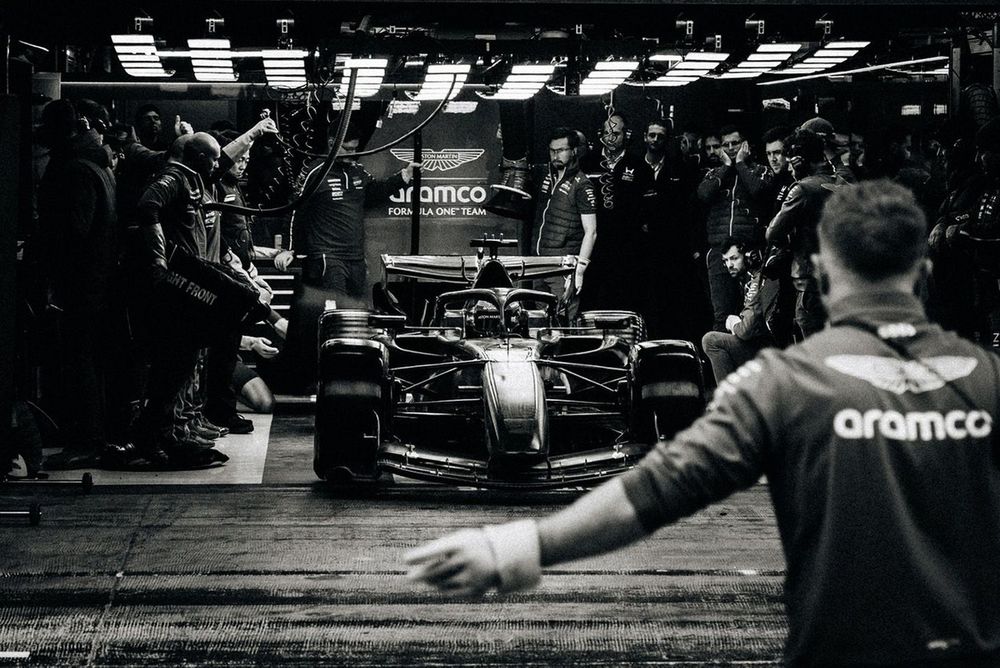
The first shakedown of the 2026 Formula 1 cars in Barcelona, held behind closed doors, revealed significant early design diversity across the grid. Despite the FIA's intention to create rigid new regulations, initial images show teams exploiting considerable freedom in areas like front wings, suspension, and sidepods, with Adrian Newey's Aston Martin presenting one of the most aggressive concepts.
Why it matters:
The 2026 season represents the biggest technical overhaul in decades, aiming to create closer racing with new engine and chassis rules. How teams interpret these regulations from the outset sets the initial competitive order and development trajectory. The early divergence in design philosophy, especially in critical aerodynamic areas, suggests a wide-open development race that could reshape the grid before a wheel is turned in anger in Melbourne.
The Details:
- Front Wing Philosophy: A key area of variation is in active aerodynamics implementation. While most teams mounted the nose to the main wing element (allowing two elements to move), Aston Martin and Mercedes attached the nose to the second element, sacrificing some active range for potential structural and aerodynamic benefits in the main plane design.
- Suspension Shift: A clear trend emerged with most teams reverting to a pushrod front suspension, a reversal from the pullrod dominance of the previous ground-effect era. This choice, driven by aerodynamic trade-offs with the new front wings and easier mechanic access, sees only Alpine and Cadillac sticking with pullrod.
- Extreme Anti-Dive: McLaren continues its extreme anti-dive philosophy from 2025, visible in the front suspension geometry. Aston Martin's Newey-designed car appears to take this concept even further, with a very high front leg and low rear leg mount, affecting both mechanical behavior and airflow management.
- Sidepod Spectrum: Sidepod design shows a wide spectrum of approaches. Aston Martin features extremely tightly packaged downwash sidepods with a pronounced undercut and an "underbite" inlet, a signature Newey trait. Red Bull has opted for a very compact design that tapers sharply at the rear, while Alpine appears to have gone the opposite direction with very wide sidepods.
- Diffuser Innovation: With the new flatter floors generating less downforce, teams are innovating at the rear. A visible trend is the use of an opening or "mouse hole" in the diffuser wall (seen on Mercedes, Ferrari, Aston Martin, and Red Bull) to harness airflow from the undercut sidepods and enhance diffuser performance.
What's next:
The Barcelona running provided only a curated first glimpse. The true picture of performance and design convergence will begin to emerge during official pre-season testing in Bahrain.
- Teams will analyze images of rivals' cars and bring further updates to the Middle East, beginning a rapid development race.
- It remains to be seen how the FIA views some designs, particularly front wings and side deflectors that appear to promote "outwash"—the very phenomenon the 2026 rules aimed to minimize.
- These initial cars are merely base packages; the rate of development under the new regulations is expected to be incredibly high, meaning the competitive order seen in February may look very different by the season opener in Australia.
Original Article :https://www.motorsport.com/f1/news/newey-extreme-aston-red-bull-mercedes-early-t...