





2026 F1 Cars: 10 Key Insights from First Pre-Season Test
The first real-world test of Formula 1's 2026 cars has revealed a complex picture, blending extreme performance with new strategic challenges. Drivers report cars that are lighter, more nimble, and brutally fast on straights, but they also face unprecedented energy management demands that could reshape qualifying and significant tire degradation concerns. While fears of a sanitized driving experience have been allayed, the new era presents a fresh and demanding blend of raw speed and cerebral strategy.
Why it matters:
The 2026 regulations represent the most significant technical shift in a generation, aimed at making the cars more efficient and raceable. Initial driver feedback is crucial, as it validates or debunks early simulator predictions and sets the tone for the development race. These first impressions confirm that while the cars are undeniably faster in a straight line and more physically forgiving, they introduce a new layer of energy-management complexity that will test drivers and teams in novel ways, potentially altering the very fabric of a qualifying lap and race strategy.
The Details:
- Qualifying Strategy Shift: Energy harvesting limitations mean the fastest lap might require lift-and-coast tactics even in qualifying, as going flat-out can deplete the battery prematurely. Drivers describe this as an "unnatural" but necessary adaptation.
- Mixed Overtaking Picture: Early data suggests following another car through corners may be more difficult due to a pronounced loss of front-end downforce in dirty air. However, massive straight-line speed differentials—reportedly up to 50 km/h—could make passing on straights far easier.
- Active Aero Underwhelms: The new front and rear active aerodynamics are seen by some drivers as a missed opportunity, functioning more as a simple efficiency tool (a "front DRS") rather than a dynamic performance adjuster for corner-by-corner balance.
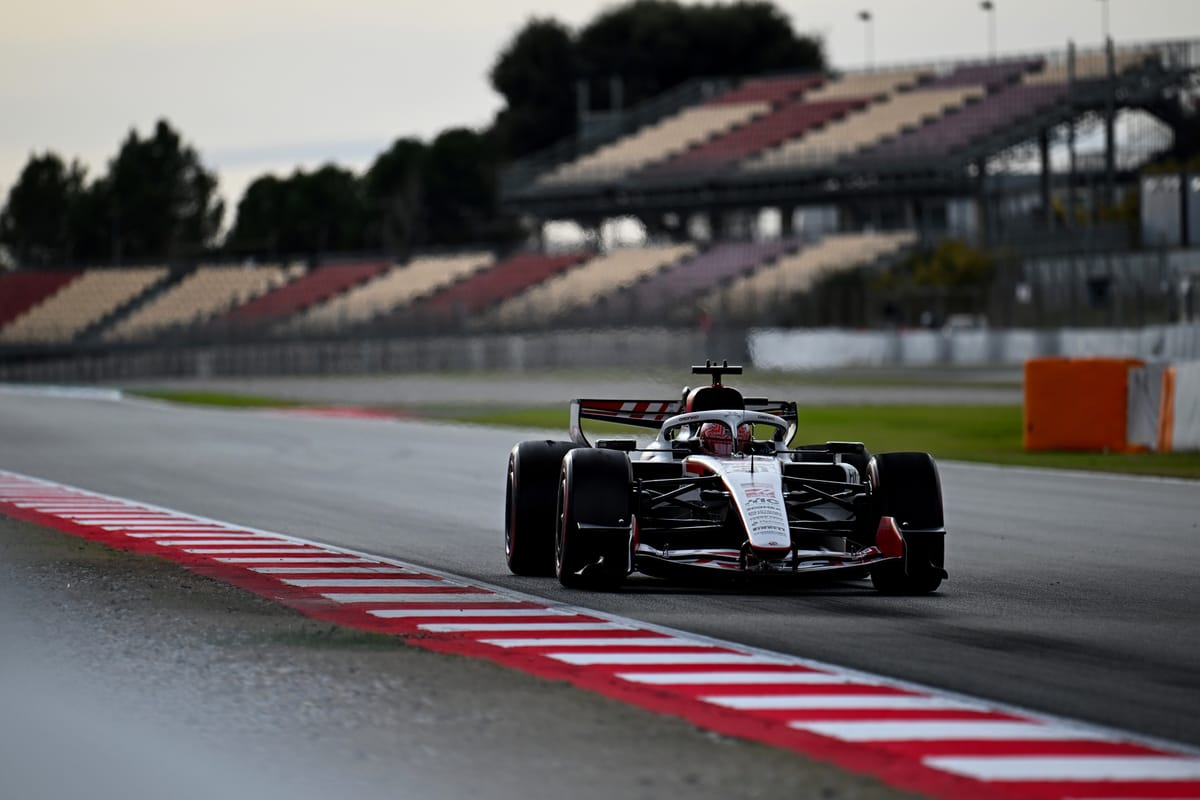
- Brutal Electric Acceleration: The 50/50 power split between the combustion engine and MGU-K delivers instant torque, described as "quite brutal." Drivers reported hitting 355 km/h on Barcelona's main straight with startling rapidity.
- Lighter, Nimble Feel: The reduced wheelbase, width, and minimum weight (down ~30 kg) are immediately perceptible, making the cars feel more agile, particularly in direction changes and slow-speed corners.
- Tire Wear Concerns: The combination of increased power and narrower tires has drivers warning of potentially "massive" degradation, especially for the rears, demanding careful throttle application.
- The Driver Still Matters: Concerns that the car would be overly managed by engineers have eased. Drivers confirm that while energy management is critical, traditional setup work, tire preparation, and pure car control remain vital to extracting performance.
- A Softer Ride: The move away from extreme ground effect has eliminated porpoising and mechanical bouncing, allowing for more ride height flexibility and giving drivers' backs a much-needed break.
- The Essence Remains: Despite the changes, drivers unanimously agree the 2026 cars are unmistakably Formula 1—the fastest and most demanding racing cars in the world, simply requiring a different driving style.
What's Next:
The Barcelona shakedown has provided a crucial baseline, dispelling some of the worst fears from early simulator models. The consensus is that F1 has entered a fascinating new technical era. The focus now shifts to development; teams will work relentlessly to unlock more downforce, refine their energy management software, and understand the true race stint limitations of the tires. As power unit performance and grip levels inevitably increase, the competitive order will begin to take shape, but the initial verdict is clear: the 2026 cars are a thrilling, if more complicated, step forward.
Original Article :https://www.the-race.com/formula-1/what-f1-2026-cars-are-actually-like-10-revela...