


Verstappen's Pole Pace: Unpacking His Abu Dhabi Qualifying Dominance
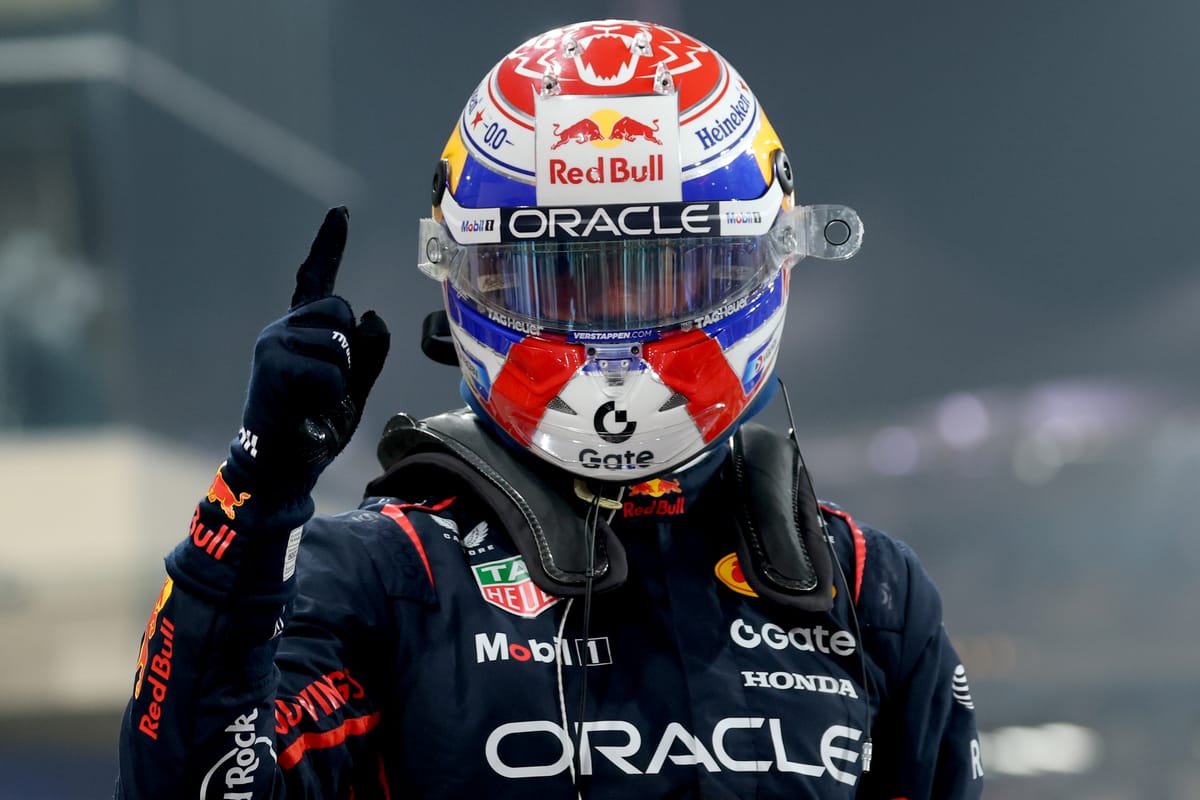
Max Verstappen secured a crucial pole position in Abu Dhabi, showcasing his ability to extract peak performance from a Red Bull that's reportedly more challenging to set up than its McLaren rivals. Despite starting FP1 behind, strategic adjustments, including a smaller wing for Saturday, allowed Verstappen to deliver near-perfect laps precisely when it mattered. Both of his Q3 laps were pole-worthy, with his quicker second run, even without a tow, placing him 0.2 seconds clear of the McLarens.
Why it matters:
Verstappen's pole position is vital, particularly with the championship battle intensifying. His ability to find pace on a challenging circuit, despite the car's characteristics, highlights his exceptional skill and the team's capacity for precise tuning. This sets the stage for a tense race where starting position can be a significant advantage, especially against closely matched competitors.
The Details:
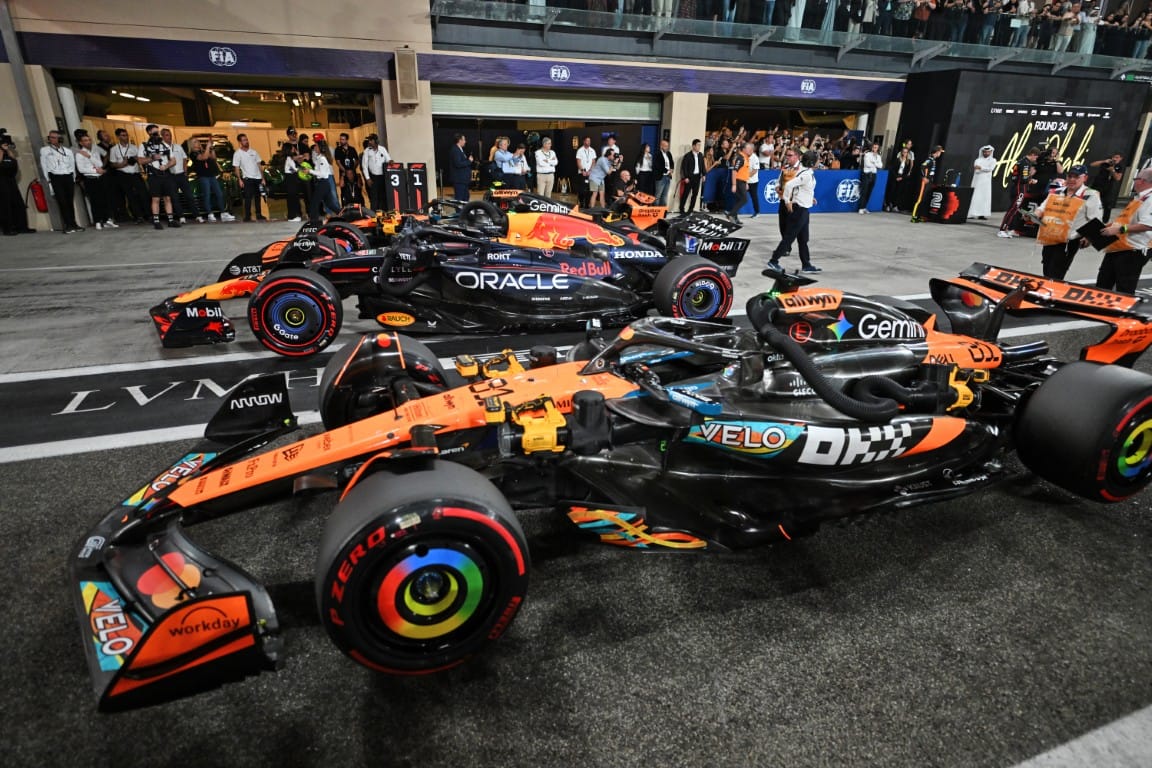
- Strategic Wing Change: A smaller rear wing was fitted to Verstappen's Red Bull for Saturday, enabling higher top speeds (approximately 5km/h more on the back straight and 3km/h on the pit straight) compared to the McLarens.
- Aggressive Driving: Verstappen demonstrated notably later braking into the Turn 6-7 chicane and Turn 12, maintaining superior momentum through and out of these corners.
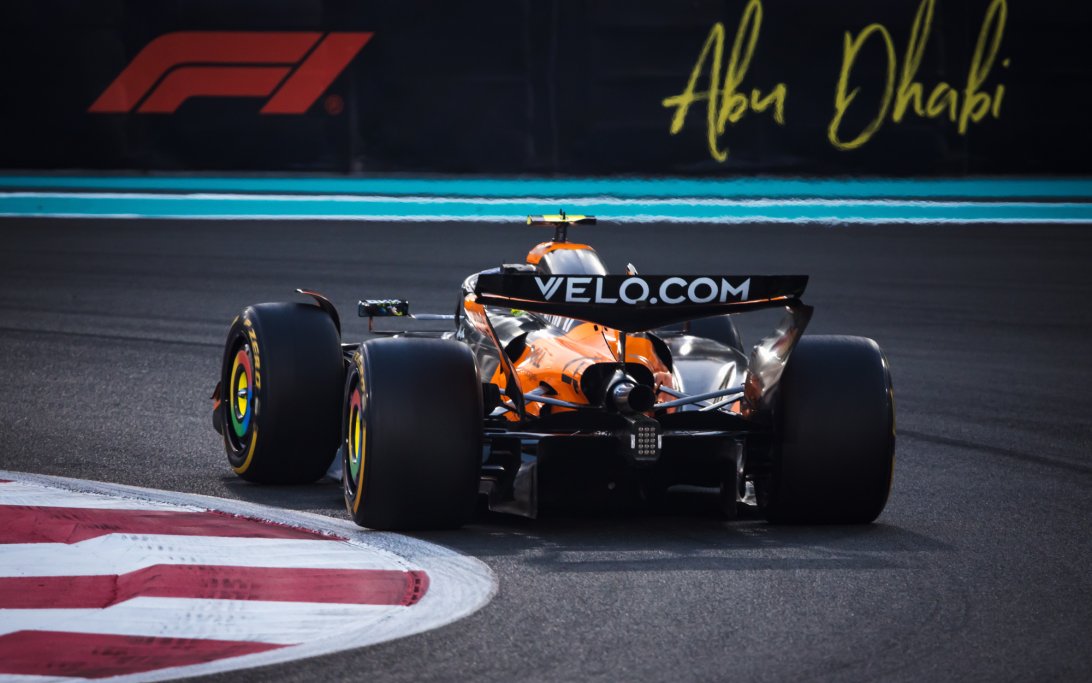
- Cornering Balance: The Red Bull showed better balance in slow corners, whereas the McLaren suffered from slight understeer, impacting its performance, especially in Sector 3 where McLaren had previously shown an advantage.
- Tire Management: Verstappen executed a single run in Q2 on used tires, managing a lap 0.1s and 0.2s faster than Norris and Piastri on similar rubber. This strategy preserved an extra set of new soft tires for Q3, giving him an advantage over the McLarens, who had to use part-used sets for one of their Q3 runs.
The Big Picture:
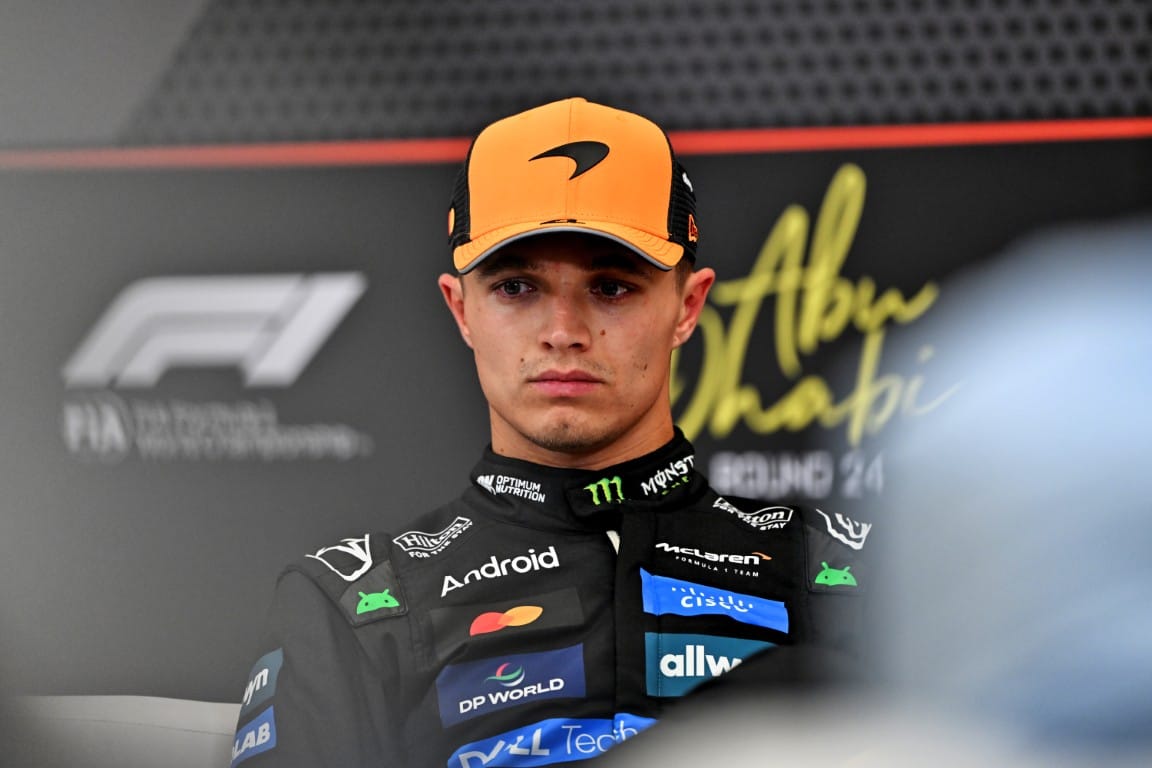
McLaren team principal Andrea Stella acknowledged Red Bull's superior pace, noting, "It would seem that they are just faster than us today." The cooler track temperatures and increased grip in qualifying appeared to bring the Red Bull into its optimal window for a single lap, while potentially contributing to the McLaren's shallow understeer trait. This shift in performance between practice and qualifying highlights the delicate balance teams must strike with car setup in varying conditions.
What's next:
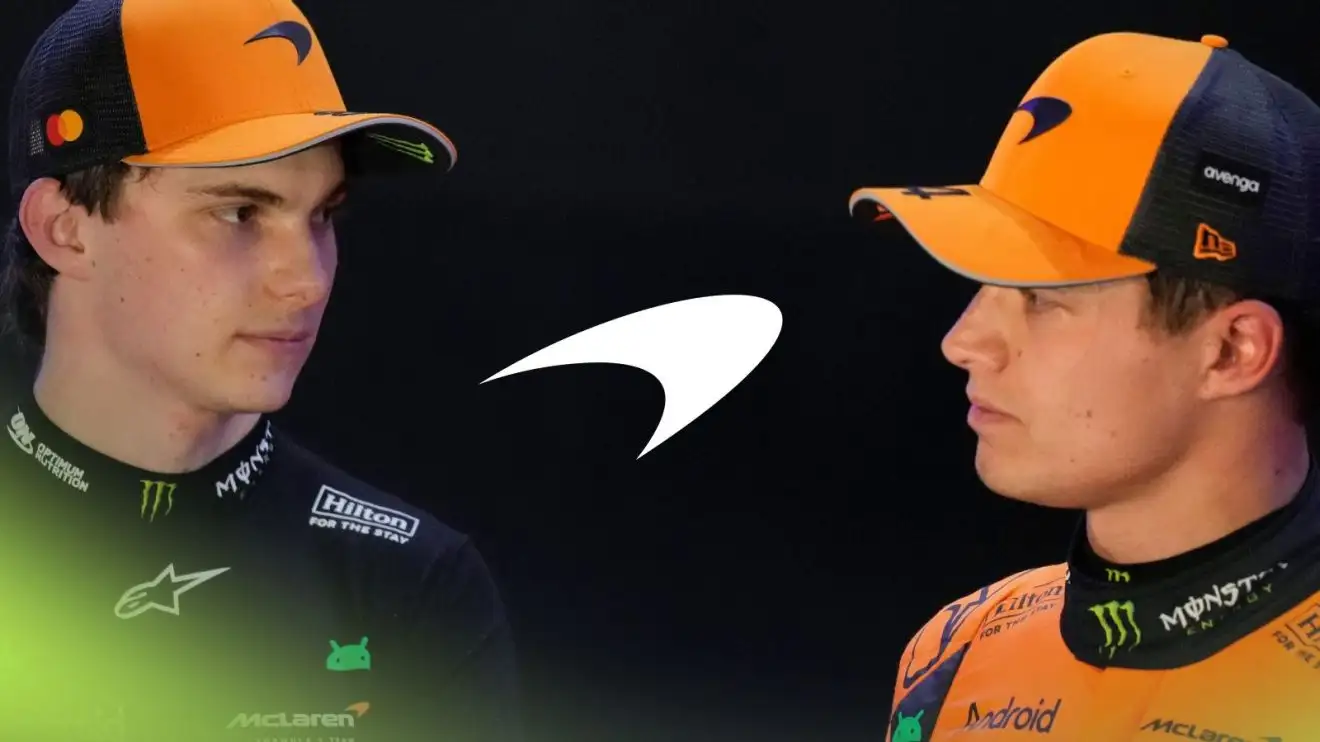
The crucial question is whether Red Bull's one-lap pace will translate into race performance. The title fight remains finely balanced, with Lando Norris needing to finish third to secure the championship. However, race dynamics, potential championship tactics from Verstappen and Red Bull, and the uncertainty of a one- or two-stop strategy could complicate matters. McLaren has two new sets of hard tires, while Verstappen has two sets of mediums, adding another layer of strategic intrigue as their comparative performance over a race stint is unknown. With the three title contenders occupying the top three grid positions, the Abu Dhabi Grand Prix is poised for an intense finale.
Original Article :https://www.the-race.com/formula-1/mark-hughes-where-verstappen-found-the-pace-f...