





The Technical Root of Charles Leclerc's Monaco Braking Crisis
Charles Leclerc's crash at the Monaco Grand Prix has sparked an unusual public confrontation between the driver and brake supplier Brembo. While Leclerc described his braking performance as "impossible" and "not acceptable," early data suggests the issue was not a mechanical failure, but a thermal collapse triggered by the 2026 technical regulations.
Why it matters:
This incident exposes a critical vulnerability in the current 2026 era: the struggle to maintain brake temperatures during low-energy periods. As Formula 1 shifts toward heavier reliance on energy recovery, the delicate balance between MGU-K harvesting and mechanical friction has become a potential liability during Safety Car restarts.
The details:
- Thermal Window Failure: Due to 2026's power unit requirements, cars rely more on harvesting to slow down, meaning rear discs generate significantly less heat. This leads to brakes falling out of their ideal operating window, especially for drivers with less aggressive braking styles.
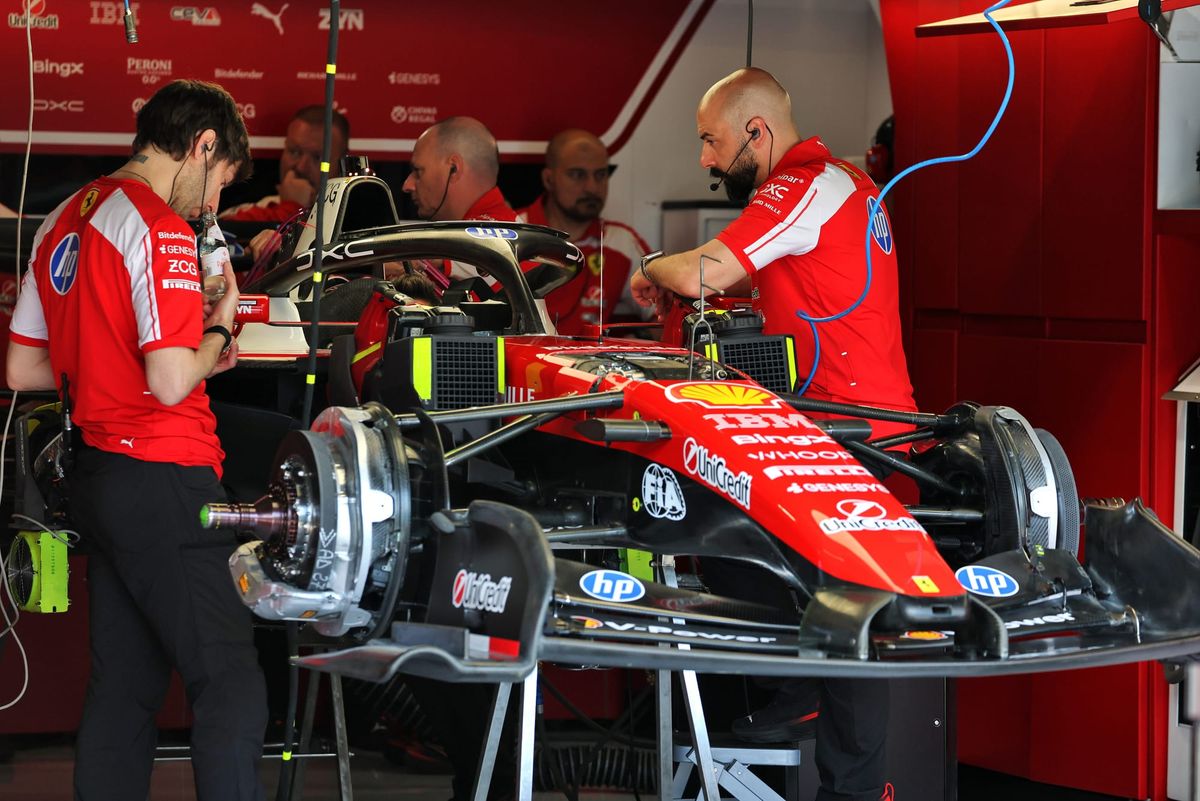
- Design Trade-offs: Evidence suggests Ferrari may have utilized larger rear brake discs. While safer against overheating, larger discs are harder to "fire up" in cold conditions compared to the smaller, more aggressive discs favored by other teams.
- Energy Loss: With lighter and slower cars in 2026, the energy put through the braking system has dropped by approximately 20%, leaving very little margin for error when dissipative braking is required.
What's next:
Leclerc intends to pivot his setup to match Lewis Hamilton's configuration for the next race. This likely involves switching from Brembo to Carbone Industrie discs, which are known for a stronger initial bite and different peak grip characteristics. However, whether this solution holds during the upcoming summer heat remains to be seen, as the thermal demands will shift from keeping brakes warm to preventing overheat.
Original Article :https://www.the-race.com/formula-1/charles-leclerc-ferrari-f1-brake-nightmare-wh...