


Marko's Red Bull Exit Masks Power Struggle After Mateschitz Era
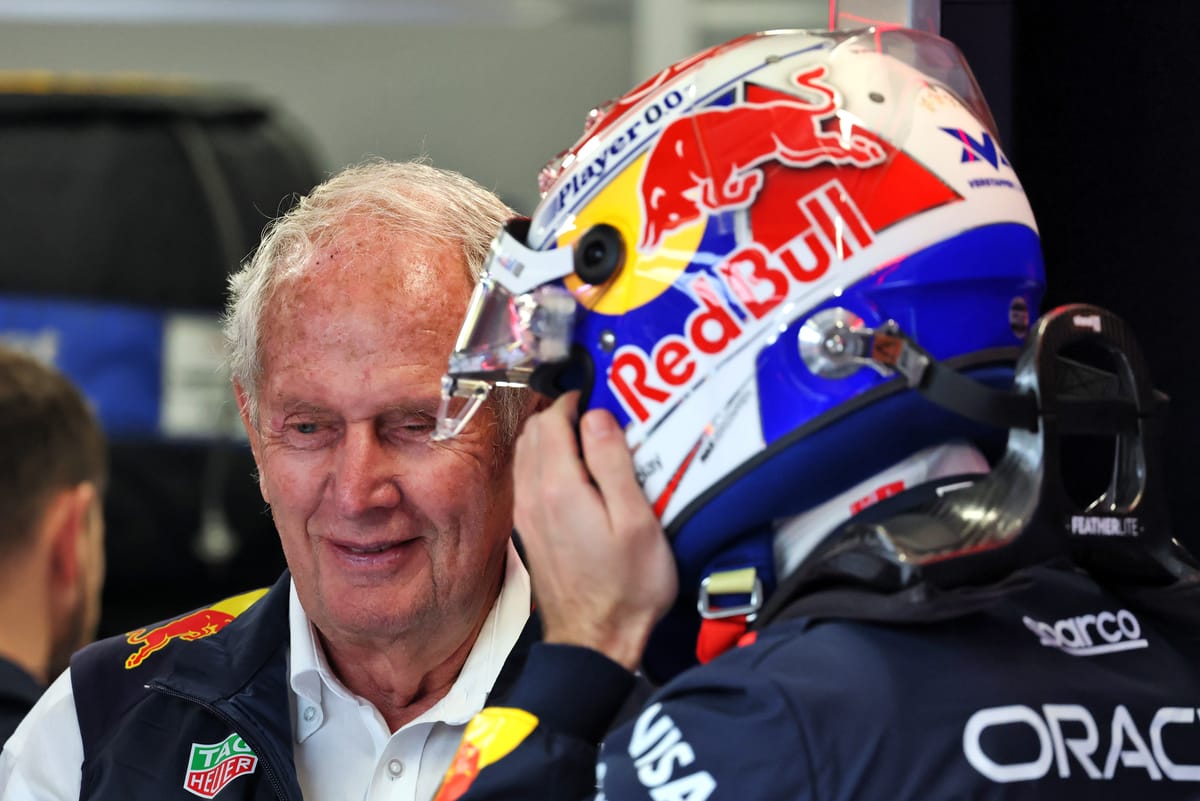
Helmut Marko will step down as Red Bull's motorsport advisor at the end of 2025, concluding over two decades of influence that shaped the team's rise to dominance. While officially framed as his personal decision following Max Verstappen's narrow championship loss, sources confirm the exit stems from escalating tensions with Red Bull's leadership after co-founder Dietrich Mateschitz's 2022 death.
Why it matters:
The departure marks a definitive end to the Mateschitz-era power structure that allowed Marko's unchallenged authority. His exit reflects Red Bull's corporate shift toward stricter accountability—a culture clash that destabilized F1's most successful modern dynasty. With Marko gone, the team loses its last direct link to the visionary who discovered Verstappen and Vettel, forcing a complete rebuild of its driver development philosophy.
The details:
- Strained relationship timeline: Tensions intensified after Mateschitz's passing, introducing corporate oversight Marko resisted. Key flashpoints include:
- His derogatory 2023 comments about Sergio Perez's Mexican heritage
- A failed 2024 internal coup attempt that drew Verstappen's public rebuke
- Recent incidents where his criticism of Kimi Antonelli triggered online abuse
- Junior programme disputes: Dutch reports indicate Marko made contested driver selections this year, notably opposing Alex Dunne's inclusion—a decision Red Bull management overruled.
- Corporate friction: Marko's clashes with Oliver Mintzlaff, Red Bull's CEO for corporate projects, centered on modernizing the team's operations. Mintzlaff's insistence that Marko "approached me with the wish to end his role" contradicts insider accounts of mounting pressure.
What's next:
Marko's departure creates an immediate leadership vacuum in driver development and strategic oversight. Red Bull must now rebuild its junior pipeline without the scout who identified Verstappen at 16—a task complicated by their strained relationship with the reigning champion following the Perez and Antonelli controversies.
- The 2026 season will test whether Red Bull's corporate-led structure can maintain dominance without Marko's instinctive driver choices. Current junior drivers like Arvid Lindblad face heightened scrutiny as the team seeks its next Verstappen-caliber talent.
- Verstappen's reaction will prove critical. His past defense of Marko suggests potential friction with new management, especially if Red Bull's driver selections favor corporate-approved candidates over Marko-style gambles.
- With Horner already removed earlier this year, this completes Red Bull's total leadership overhaul—a risky transition for a team chasing sustained dominance in F1's new technical era.
Original Article :https://www.the-race.com/formula-1/whats-really-behind-helmut-marko-sudden-red-b...