





F1's Sprint Race Storytelling Problem
Formula 1's sprint races, despite grand ambitions, often fall flat not due to their format, but a significant lack of effort in storytelling. While F1 aims to increase fan engagement and content consumption, the narrative around sprint events, especially when incidents occur, is almost non-existent.
Why it matters:
F1 sprints are designed to provide more content and excitement, but without proper storytelling, significant on-track events are quickly forgotten. This undermines their purpose and prevents them from becoming a truly integral part of the race weekend, ultimately making them feel disposable to fans.
The Details:
- Lack of Driver Access: After sprint races, only the top three drivers typically get extensive interview access. Other drivers often face a single question from F1's broadcast media (FOM).
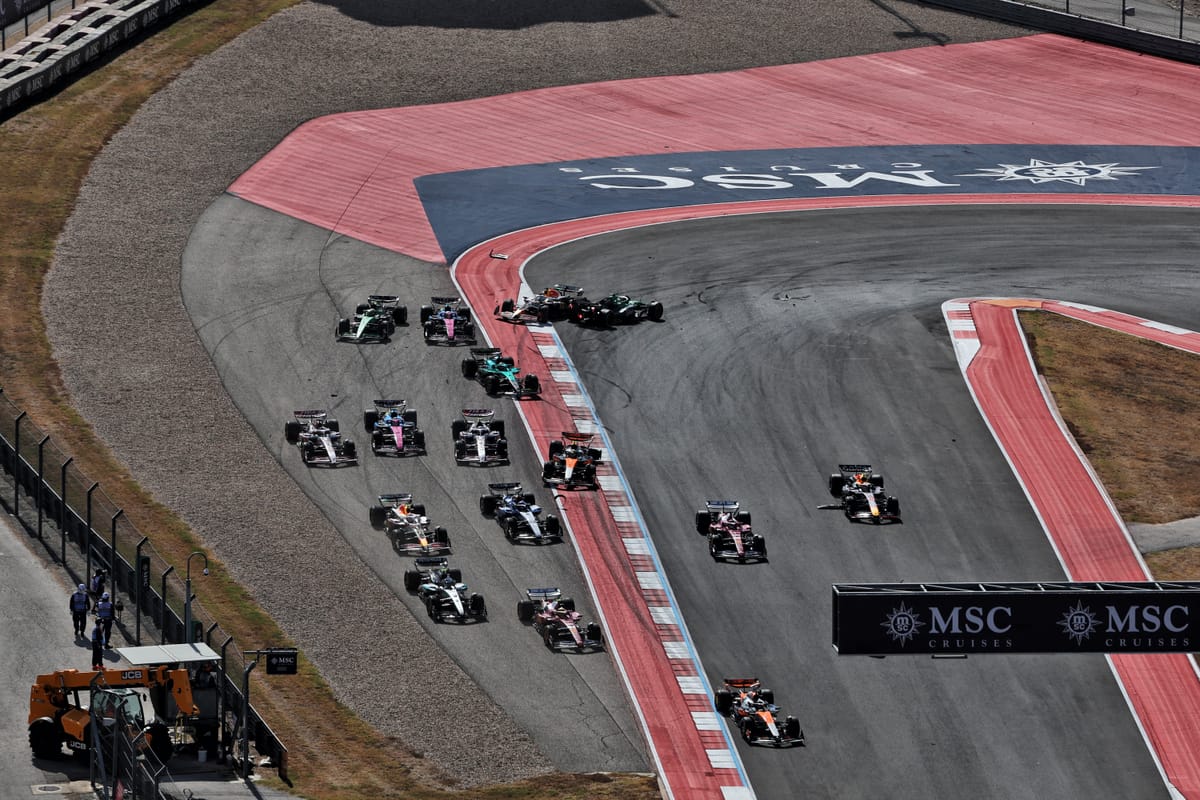
- Missed Opportunities: Key moments, like Oscar Piastri's clash with Nico Hulkenberg and Lando Norris at the Austin sprint, receive minimal post-race commentary from the involved drivers. Piastri, for example, only spoke 45 words about the incident.
- Overwhelmed by Main Event: By the time wider media access is granted later in the day, the focus has shifted to Grand Prix qualifying, making it difficult to revisit and properly elaborate on sprint race events.
- Limited Broadcaster Questions: Beyond FOM, there's often limited opportunity for other broadcasters to ask questions, stifling diverse perspectives and deeper insights.
Between the lines:
This limited post-sprint interaction creates an impression that the sprints are inconsequential. When drivers have little more to say than 'I started 12th, drove around in 12th and nothing happened,' it contributes to the perception of sprints as perfunctory rather than pivotal moments in the championship. This also deprives fans of crucial information, insight, and direct commentary from the athletes at the center of the action.
What's next:
To elevate sprint races, F1 needs to rethink its post-race media strategy. Options could include expanding the media pen, even if only for broadcasters, or selecting key drivers involved in significant incidents for a dedicated press conference beyond the top three. This wouldn't require hours of driver time but would significantly enhance the entertainment value and help drivers connect with fans by sharing their perspectives on critical moments. Making sprints feel like they matter to participants is crucial for convincing viewers at home that they matter too.
Original Article :https://www.the-race.com/formula-1/f1s-big-sprint-race-problem-isnt-with-the-for...
