


F1 Drivers Deliver Blunt Verdict on Outgoing Cars
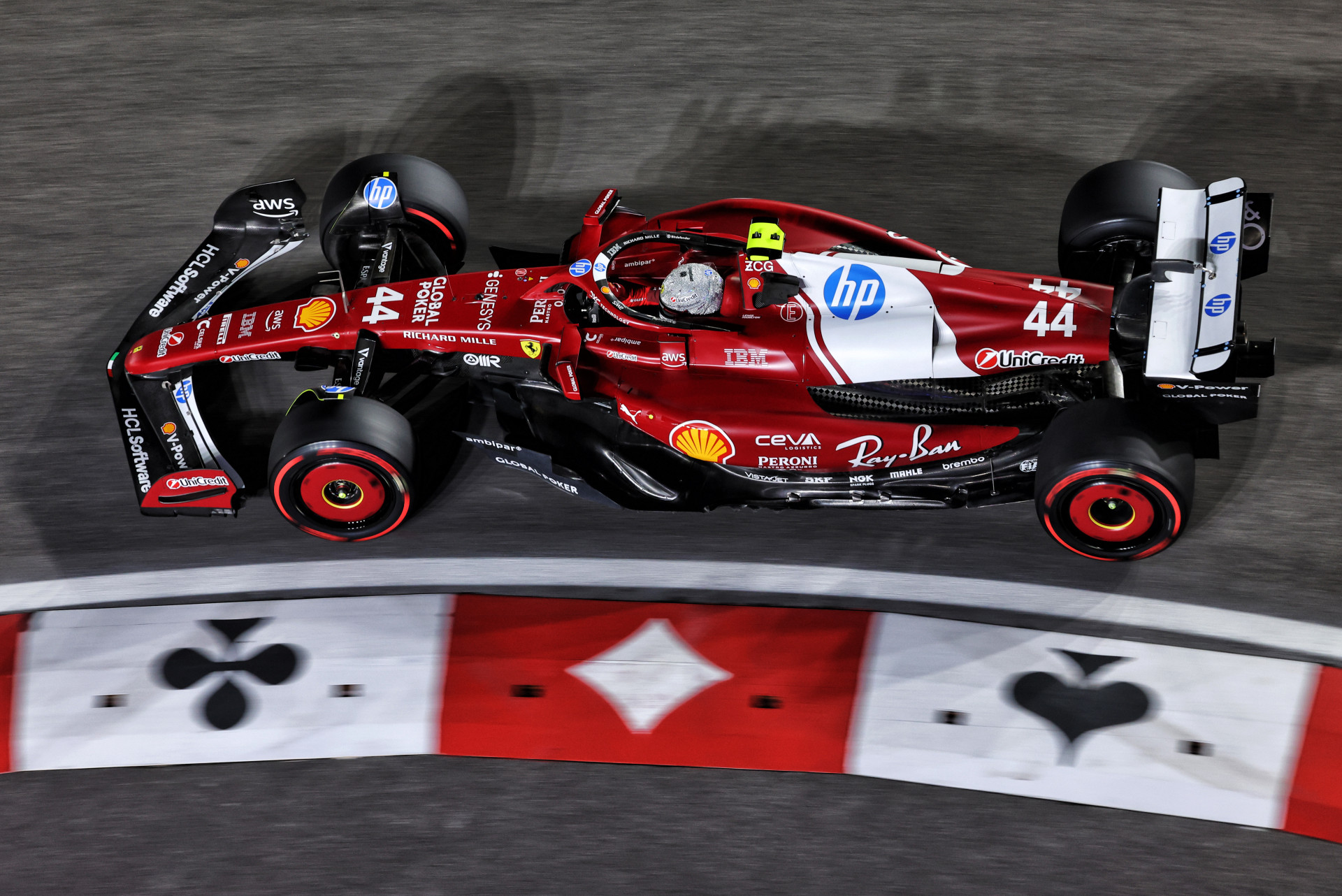
Formula 1 drivers are voicing starkly contrasting opinions on the current generation of F1 cars as the sport approaches its 2026 regulatory overhaul. While some, like Lewis Hamilton, express an utter disdain for the physical toll and performance limitations, others, including Nico Hulkenberg and Alex Albon, highlight the incredible speed and competitive intensity as features they will miss.
Why it matters:
The differing perspectives underscore the polarizing impact of the 2022 ground-effect regulations, which aimed to improve racing but often led to physically demanding cars. As F1 transitions to new rules in 2026, understanding driver feedback is crucial for designing future cars that balance performance, driver well-being, and competitive spectacle.
The Details:
- Hamilton's Harsh Critique: Seven-time world champion Lewis Hamilton stated he would "not miss a single thing" about the current cars, labeling this era "probably the worst one" of his career due to a lack of race wins and overall discomfort.
- Physical Strain: Pierre Gasly and rookie Oliver Bearman emphasized the significant physical discomfort caused by the low-rake, stiff-running ground-effect cars.
- Bearman described them as "horrible," noting the extreme suspension stiffness required for performance leads to back pain, preventing sleep after races in places like Las Vegas, Mexico, and Qatar.
- He also mentioned "porpoising" as a "horrible sensation" and hopes future regulations will be more forgiving on drivers' bodies.
- Positive Perspectives: Not all drivers share this frustration.
- Nico Hulkenberg expressed enjoyment, citing the cars' speed, spectacular nature, and their record-breaking lap times, despite acknowledging challenges with following and racing closely.
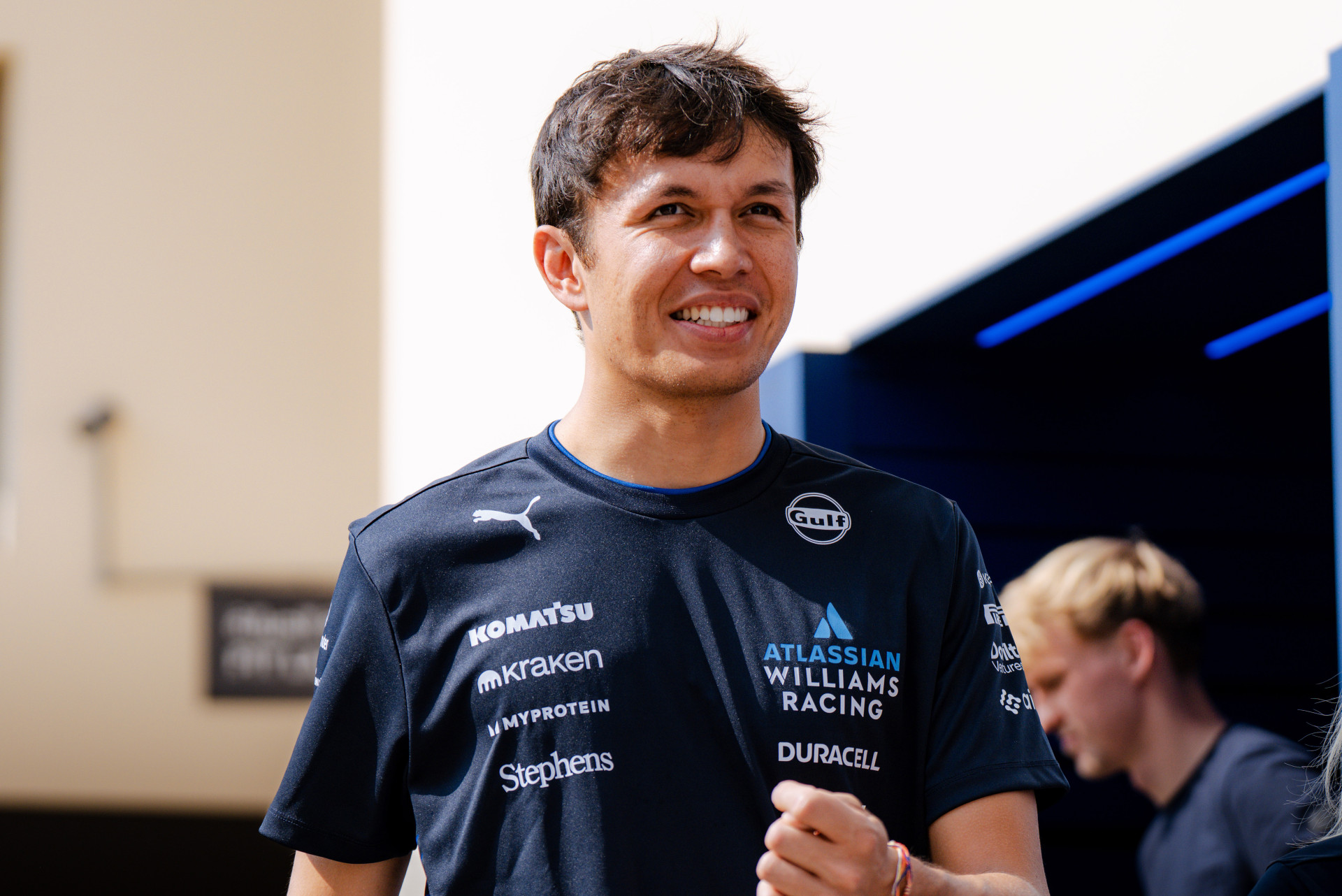
- Alex Albon highlighted the "competitiveness" as the era's main strength, noting instances like Q1 in Qatar where P5 to P17 were separated by only one-tenth of a second, a level of closeness he believes will diminish under new rules.
- Liam Lawson echoed the sentiment about speed, acknowledging the cars are "uncomfortable as they are to drive, they're very, very fast."
What's next:
The 2026 regulations promise significant changes, including smaller, lighter cars, revised hybrid power units, and active aerodynamics with a manual override engine mode replacing DRS.
- These new machines are projected to be approximately two seconds slower per lap but are designed to foster closer, more strategic, and unpredictable racing.
- The aim is to address the issues raised by drivers, particularly comfort and consistency, while enhancing the on-track spectacle.
Original Article :https://speedcafe.com/f1-news-2025-abu-dhabi-end-of-regulations-opinion-feedback...